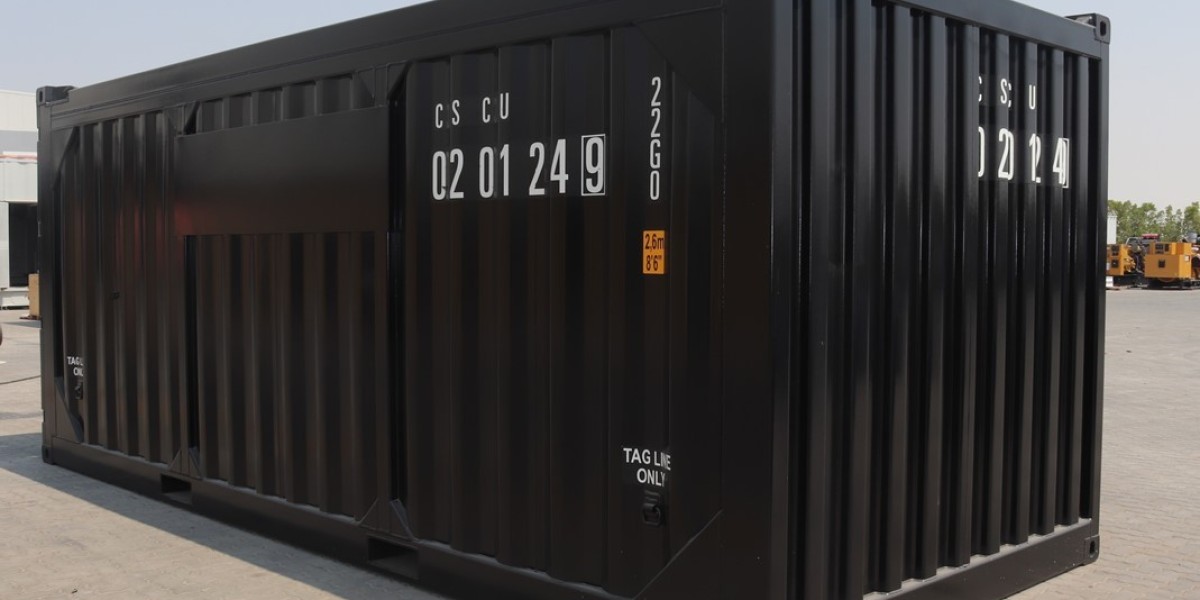

Offshore environments demand equipment that meets the highest level of safety, reliability, and durability. Offshore DNV containers are engineered to withstand extreme marine conditions and meet strict regulatory standards set forth by DNV (Det Norske Veritas). As vital assets in oil and gas, renewable energy, and marine logistics, these containers ensure efficient handling, secure transport, and compliance with global offshore safety requirements.
We provide a comprehensive range of certified DNV containers designed to meet the operational, environmental, and regulatory challenges of offshore industries. Our solutions help organisations optimise workflows, reduce risk, and improve logistics performance in the harshest marine environments.
Understanding Offshore DNV Containers and Their Regulatory Framework
DNV containers are specialised offshore units certified according to DNV 2.7-1, the internationally recognised standard governing design, construction, testing, and certification of offshore containers. This standard ensures that all containers meet strict criteria for structural integrity, lifting safety, and corrosion resistance.
Key regulatory considerations include:
- DNV 2.7-1 certification
- EN 12079 compliance
- CSC (Convention for Safe Containers) certification
- Impact and drop testing
- Verified lifting padeyes and slings
- Corrosion-resistant marine coatings
These regulations guarantee containers can safely withstand dynamic offshore lifting, heavy loads, saltwater exposure, and strong winds, providing long-term operational assurance.
Types of Offshore DNV Containers for Marine and Energy Applications
DNV-certified containers come in a wide range of sizes and designs to support various offshore operations. The most widely used models include:
1. Offshore Cargo Containers
Purpose-built for transporting equipment, materials, and supplies to offshore rigs.
Key features:
- Reinforced frames
- Weatherproof design
- Integrated lifting points
2. DNV Offshore Basket Containers
Open-frame units with extended lengths for oversized cargo such as tools, pipes, and subsea equipment.
Advantages:
- Easy loading and unloading
- Multiple security options
3. Offshore Reefers (Temperature-Controlled Units)
Designed for preserving temperature-sensitive goods such as chemicals, food, and medical supplies.
Benefits:
- Integrated cooling systems
- Durable, insulated structure
4. Offshore Tanks
Used to transport fuels, chemicals, and drilling fluids.
Typical types:
- Chemical tanks
- Acid tanks
- Fuel tanks
5. Workshop and Accommodation Modules
Modular units providing workspace, shelter, and storage are designed with advanced safety features.
Applications:
- Workshops
- Offices
- Living quarters
Every product is engineered to meet offshore requirements for strength, safety, lifting, stacking, and corrosion protection, ensuring peak performance.
Key Features and Engineering Benefits of DNV Offshore Containers
Offshore DNV containers deliver advanced technical capabilities tailored for marine operating environments. Their engineering benefits include:
Superior Structural Strength
High-grade steel, reinforced welds, and load-bearing flooring deliver exceptional performance under heavy dynamic loads.
Certified Offshore Lifting Systems
Certified slings, shackles, and padeye systems ensure safe lifting in adverse conditions.
Corrosion-Resistant Coatings
Marine-grade paint systems prevent structural degradation caused by seawater exposure.
Weatherproof and Shock-Proof Installations
Designed to withstand impacts, storms, and vibration.
Stackability and Space Optimisation
Containers are engineered for safe stacking to optimise vessel and platform space.
These features significantly reduce risk during handling, transportation, and long-term offshore deployment.
Why Offshore Operators Choose DNV Certified Containers
Companies operating offshore need equipment that minimises disruption, prevents accidents, and enhances asset performance. Using offshore DNV containers delivers critical advantages:
- Regulatory compliance in global markets
- Reduced risk of operational downtime
- Increased handling performance
- Lower long-term maintenance costs
- High adaptability to different applications
- Extended service life
Whether transporting sensitive equipment or storing hazardous materials, DNV-certified systems ensure consistent safety, efficiency, and reliability.
Applications of DNV Containers in Offshore Operations
DNV containers are vital to daily operations across multiple sectors:
Oil and Gas Production
Transportation of tools, chemicals, fuels, and spare parts.
Offshore Wind Energy
Storage of turbines, blades, electrical components, and installation gear.
Marine Construction
Handling of scaffolding, welding systems, and specialised equipment.
Subsea Engineering
Deployment of ROVs, cables, and subsea tooling.
Catering and Accommodation
Supply of food, medical materials, and crew provisions.
Their operational flexibility makes them indispensable across offshore supply chains.
Selecting the Right DNV Container for Your Offshore Project
Choosing the correct container configuration is essential for safety, cost control, and efficiency. Factors to evaluate include:
- Type of cargo
- Weight capacity
- Environmental conditions
- Temperature requirements
- Hazard classification of materials
- Frequency of handling and transport
- Storage duration
By aligning project needs with the correct container type, organisations maximise asset safety and reduce operational risk.
Customisation Options for Offshore DNV Containers
Advanced customisation enhances container performance, functionality, and durability. We offer tailored solutions, including:
- Internal shelving and racking
- Enhanced insulation
- ATEX/EX compliance systems
- Custom dimensions
- Specialised coating systems
- Fire-rated materials
- Custom ventilation systems
- Integrated workshops and offices
Customised units support complex offshore missions with greater flexibility and improved safety.
Inspection, Maintenance, and Lifecycle Management
To ensure compliance and minimise downtime, DNV containers require scheduled inspections and lifecycle management. Maintenance considerations include:
- Annual safety inspections
- Lifting gear verification
- Repainting and surface treatment
- Structural repairs and welding
- Documentation review
Proactive maintenance extends container lifespan and ensures reliable performance in harsh environments.
Advantages of Working with Certified Offshore Container Suppliers
Choosing a reliable supplier ensures access to certified, traceable, and compliant equipment. Benefits include:
- Rapid delivery of standardised units
- Full certification documentation
- Engineering support
- Tailored design solutions
- Competitive lifecycle cost
- Global regulatory compliance
Professional suppliers contribute significantly to safe, compliant, and efficient offshore operations.
Conclusion: Offshore DNV Containers Built for Safety, Strength, and Performance
Offshore industries operate in some of the world’s most challenging environments. DNV certified containers offer the essential combination of certified safety, structural durability, and functional versatility required to maintain operational excellence.
By investing in compliant, high-performance offshore containers, organisations gain measurable improvements in safety, logistics efficiency, asset protection, and regulatory adherence. These benefits support seamless offshore operations and reduce risk across every stage of the supply chain.