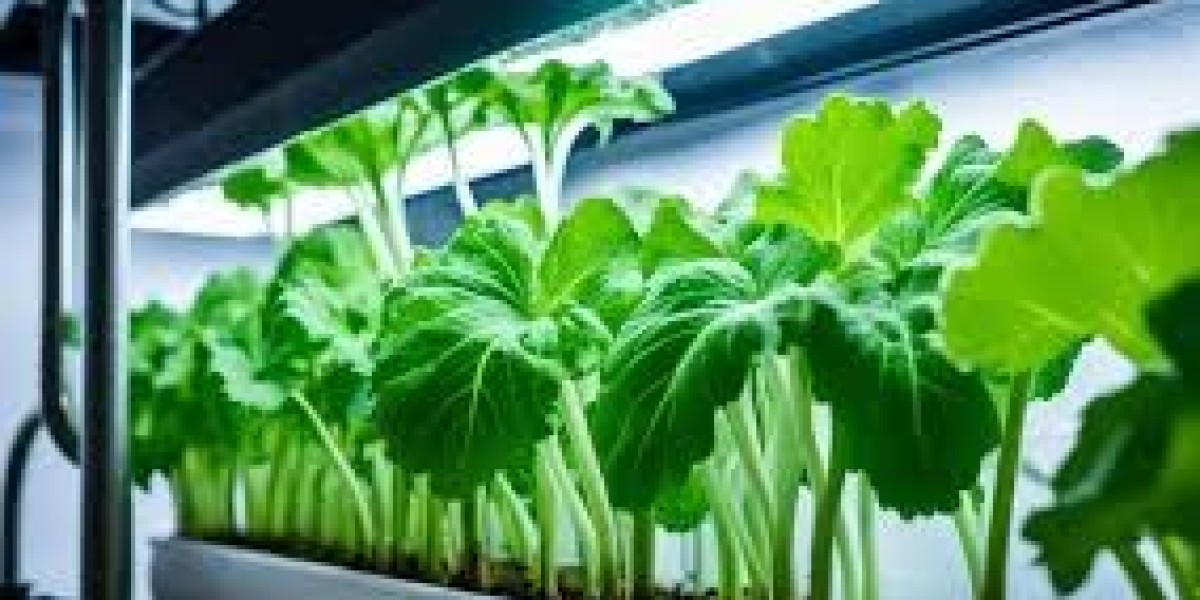

Hydroponic rhubarb is becoming increasingly popular among indoor gardening enthusiasts, thanks to its ability to thrive in controlled environments and its impressive yield potential. Traditionally grown in soil, rhubarb can adapt well to hydroponic systems, allowing gardeners to enjoy fresh, tart stalks year-round. This article will explore the benefits of hydroponic rhubarb, optimal growing techniques, and expert advice for achieving successful harvests.
### Why Choose Hydroponic Rhubarb?
Growing rhubarb hydroponically offers several advantages. First, it allows precise control over nutrients, pH, and water levels, which can significantly improve plant growth and flavor. Unlike soil-based gardening, hydroponics reduces the risk of pests and soil-borne diseases, resulting in healthier plants. Additionally, hydroponic systems can be set up in limited spaces, making them perfect for indoor gardens, greenhouses, or urban settings.
Hydroponic rhubarb also has a faster growth cycle compared to traditional soil methods. By delivering nutrients directly to the roots, plants expend less energy searching for minerals, allowing for quicker development of stalks. For commercial growers, this translates to higher yields and consistent quality throughout the year.
### Selecting the Right Hydroponic System
There are several hydroponic setups suitable for rhubarb cultivation. The most common systems include nutrient film technique (NFT), deep water culture (DWC), and drip systems. Each offers unique benefits:
* **NFT Systems:** Ideal for smaller setups, NFT allows a thin film of nutrient-rich water to flow continuously over the roots, providing constant hydration and nutrition.
* **Deep Water Culture (DWC):** In this method, rhubarb roots are suspended in an oxygenated nutrient solution, promoting vigorous growth and strong root development.
* **Drip Systems:** These systems deliver nutrients directly to each plant’s root zone, offering precise control over water and nutrient supply, which is essential for maintaining optimal rhubarb growth.
When choosing a system, consider space availability, budget, and maintenance requirements. Regardless of the method, ensure your system provides adequate oxygenation and consistent nutrient delivery.
### Nutrient and Environmental Requirements
Rhubarb thrives in slightly acidic conditions, with a pH range of 6.0–6.8 being ideal. The nutrient solution should include sufficient nitrogen, phosphorus, potassium, calcium, and magnesium, along with trace elements like iron and manganese. Monitoring and adjusting the solution regularly ensures optimal plant health and prevents deficiencies.
Temperature and light also play a critical role. Hydroponic rhubarb prefers cooler temperatures, generally between 60–75°F (15–24°C), and benefits from 12–14 hours of light per day. LED grow lights are an excellent option for indoor setups, offering energy efficiency and adjustable light spectra to suit different growth stages.
### Planting and Maintenance Tips
Start rhubarb from crowns or root divisions rather than seeds for faster establishment. Place the crowns in your hydroponic system, ensuring roots are submerged in the nutrient solution. Regularly check water levels, nutrient concentration, and pH to prevent stress on the plants.
Pruning old or damaged leaves and maintaining proper spacing encourages healthy stalk production. Harvest rhubarb when stalks reach 12–18 inches, cutting them at the base. Avoid harvesting more than one-third of the plant at a time to ensure continuous growth.
For gardeners seeking guidance or high-quality hydroponic supplies, resources like **rochesterhydroponics.net** offer expert advice and equipment suitable for hydroponic rhubarb cultivation.
### Conclusion
Hydroponic rhubarb is an excellent choice for gardeners looking to maximize yields, maintain plant health, and enjoy fresh stalks year-round. By selecting the right system, providing proper nutrients, and maintaining optimal environmental conditions, you can cultivate robust, flavorful rhubarb indoors. Whether for personal consumption or commercial production, hydroponic rhubarb opens the door to innovative, sustainable gardening practices.