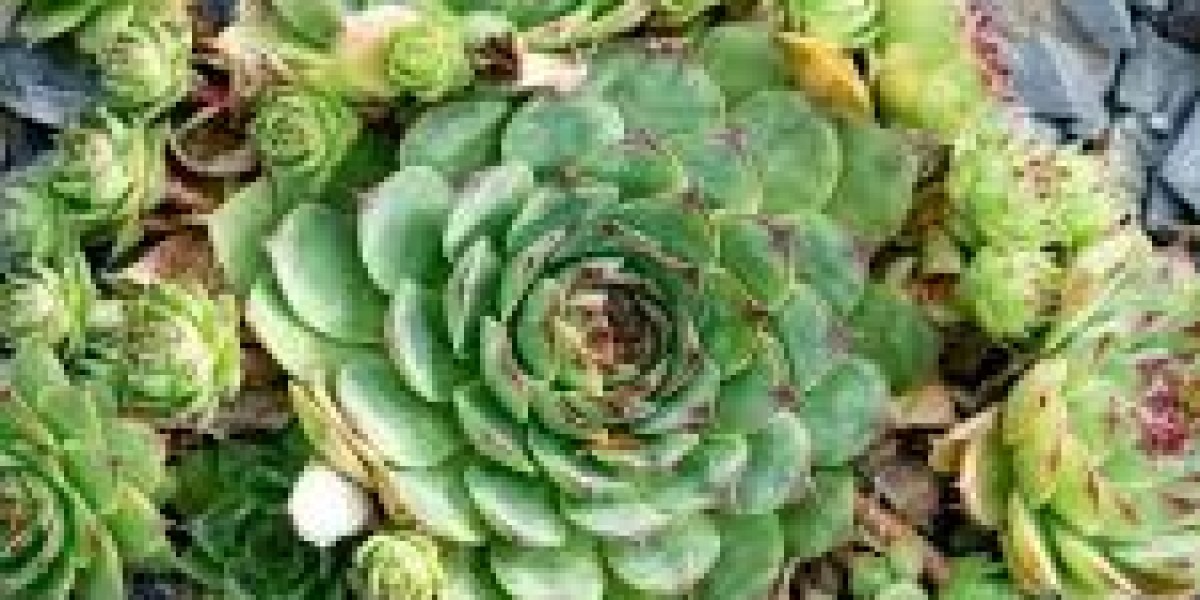

The **hens and chicks plant** (Sempervivum spp.) is a charming, hardy succulent that has won the hearts of gardeners and plant enthusiasts around the world. Known for its rosette-shaped foliage and ability to thrive in a variety of conditions, this low-maintenance plant is perfect for both beginners and seasoned gardeners. In this article, we will explore everything you need to know about the hens and chicks plant, from care and propagation to landscape design ideas.
### What is a Hens and Chicks Plant?
The name "hens and chicks" comes from the plant’s growth pattern. The central rosette, known as the “hen,” produces smaller offshoots called “chicks” that cluster around it. Over time, these chicks grow into new rosettes, creating an attractive and self-replenishing plant display. Hens and chicks are cold-hardy and can survive in harsh climates, making them ideal for rock gardens, containers, and ground cover.
### Care Tips for Hens and Chicks
One of the reasons this succulent is so popular is its minimal care requirements. Here are key care tips:
* **Sunlight:** Hens and chicks thrive in full sun but can tolerate partial shade. For the best color and compact growth, aim for at least 6 hours of sunlight daily.
* **Soil:** Well-draining soil is crucial. A sandy or gritty succulent mix is ideal to prevent root rot. If planting in the ground, ensure the soil has good drainage.
* **Watering:** These plants are drought-tolerant. Water them sparingly, allowing the soil to dry completely between waterings. Overwatering can lead to rotting.
* **Temperature:** Hens and chicks are remarkably hardy, tolerating freezing temperatures in winter. They do well in USDA zones 3-8.
### Propagation Techniques
Propagating hens and chicks is simple due to the natural formation of chicks around the parent plant. Gently remove the chicks from the mother rosette and plant them in their own pots or garden beds. They root quickly and start producing new offsets within weeks. For those looking to purchase quality plants or propagation kits, **superiorhydrola.com** offers a range of hens and chicks varieties suitable for indoor and outdoor growth.
### Design and Landscaping Ideas
Hens and chicks plants are incredibly versatile for garden design:
* **Rock Gardens:** Their compact growth and drought tolerance make them perfect for rockeries.
* **Container Gardens:** Plant a mix of colors and sizes in shallow containers for an eye-catching display.
* **Ground Cover:** They spread naturally, creating a lush, low-maintenance ground cover that suppresses weeds.
* **Terrariums:** Miniature varieties thrive indoors in well-draining soil, offering a unique decorative element.
### Common Problems and Solutions
While hardy, hens and chicks can encounter a few issues:
* **Pests:** Aphids and mealybugs may occasionally infest the plant. Use insecticidal soap or neem oil to treat infestations.
* **Rot:** Overwatering or poorly drained soil can lead to root and crown rot. Always allow soil to dry between waterings.
* **Etiolation:** Insufficient sunlight causes the rosettes to stretch and lose their compact form. Move the plant to a sunnier location.
### Conclusion
The hens and chicks plant is a resilient, low-maintenance succulent that brings beauty and structure to any garden or container. Its easy propagation, hardy nature, and unique rosette formation make it a favorite among gardeners looking for both charm and simplicity. By providing adequate sunlight, well-draining soil, and minimal watering, you can enjoy thriving hens and chicks plants for years to come.