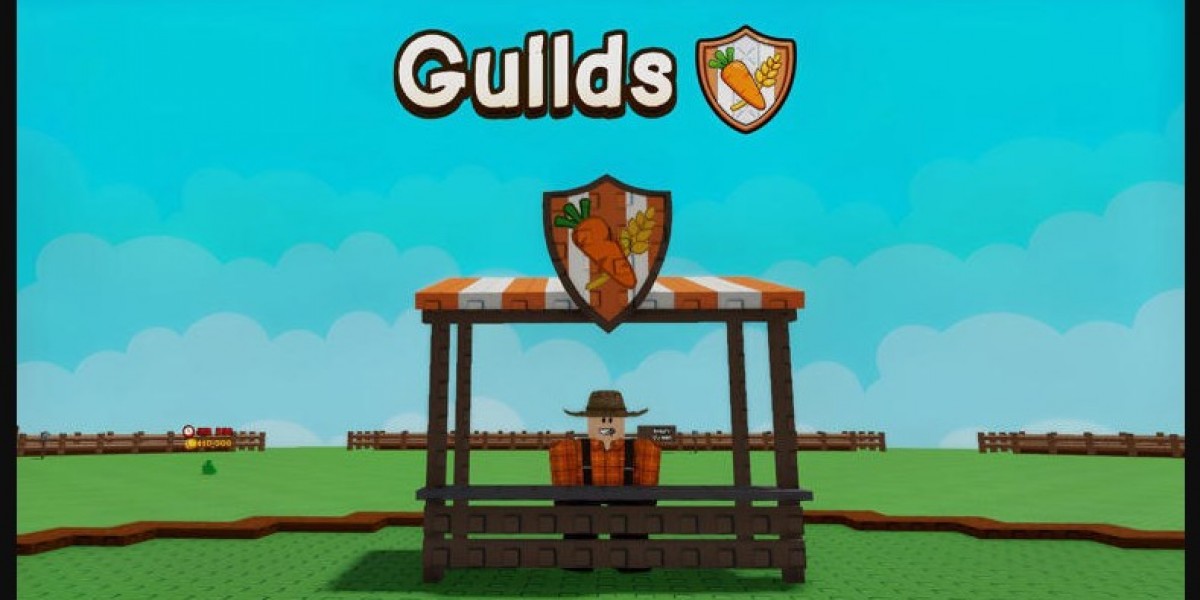

In Grow a Garden 2, guilds are one of the most important systems for long-term progression, especially when you start caring about rankings, cooperation, and shared rewards. Many players first get introduced to this system while chasing GAG 2 Pets, since guild participation is one of the more reliable ways to unlock higher-tier rewards over time.
GAG 2 Pets often become the main motivation for joining a guild early. Instead of playing solo, you begin to see how group progress affects what you can unlock. Once you step into guild content, you quickly realize it is not just about farming crops, but also about coordination and steady contribution with other players who share the same goals.
Finding the Right Guild
For most players, the first challenge is not understanding guild mechanics, but actually finding an active group. Since many guilds are private or selective, you usually need to go through community spaces like Discord to get noticed.
In practice, you join the official Grow a Garden 2 Discord server and look for recruitment channels where guild leaders post requirements. These often include activity expectations, Sheckles thresholds, or crop readiness. If you are serious about progress, it is worth choosing a guild that matches your playstyle instead of rushing into the first invite you receive.
How Invitations Work
Once a guild accepts you, the process is fairly simple. You will receive an in-game invite notification that appears as a pop-up message. At the same time, your mailbox will show a red indicator, signaling that something is waiting for you.
To accept, you walk to your garden mailbox, interact with it, and click the Join button. After that, you officially become part of the guild and can start contributing immediately.
Guild Interaction and Tracking Progress
After joining, you can check your guild’s progress at the central Guild Stall by speaking to the NPC. This is where you see member contributions, rankings, and overall performance. It becomes especially useful when you start competing for higher leaderboard positions.
Most players also begin paying attention to how their farming output affects guild progress, since consistent contribution is what keeps a guild competitive over time.
Contribution Flow and Player Responsibility
Guild contribution is mainly based on selling harvested crops. However, it is not just about selling everything you have. The system rewards improved performance, meaning higher-value harvests contribute more effectively to guild progress.
This creates a loop where players naturally aim for better farming cycles instead of quick low-value sales. Over time, this is what separates casual members from highly active contributors.
Early Strategy Mindset
New players often underestimate how important consistency is in guild systems. Even small improvements in farming efficiency can make a noticeable difference in rankings over time. This is especially relevant for players who are still farming GAG 2 Pets, since guild rewards often help accelerate that progression.
A stable guild also provides motivation to stay active, since your contribution is visible and directly tied to group success.
Final Thoughts on Joining Guilds
At the end of the day, joining a guild in Grow a Garden 2 is less about complexity and more about commitment. Once you understand how invitations, contributions, and tracking work, it becomes a natural extension of regular gameplay.
Players who stay active and engaged usually see much better long-term progress than those who remain solo.
The market for Grow a Garden 2 Items for sale continues to grow as more players look for faster progression options outside normal gameplay.
For many active players, trading communities often discuss Grow a Garden 2 Items online as part of optimizing builds and improving farming efficiency.