
Immersive Audio vs. Audiobooks: Which Is Right for You?
In todays audio landscape, listeners have more choices than ever. From classic audiobooks to cutting-edge immersive audio experiences, each format offers something unique. But if youre wondering which one best matches your listening style and storytelling needs, this guide will help you decide.
? What Are Traditional Audiobooks?
Traditional audiobooks are narrated versions of written books usually by a single narrator or occasionally by multiple narrators that bring text to life with voice performance. These narrations can deepen emotional engagement and help listeners visualize the story world purely through sound.
Audiobooks are widely loved because:
Narrator performance enhances emotional connection
They make reading accessible while multitasking
Many platforms offer huge libraries of titles
You can enjoy them on commutes, workouts, or daily tasks
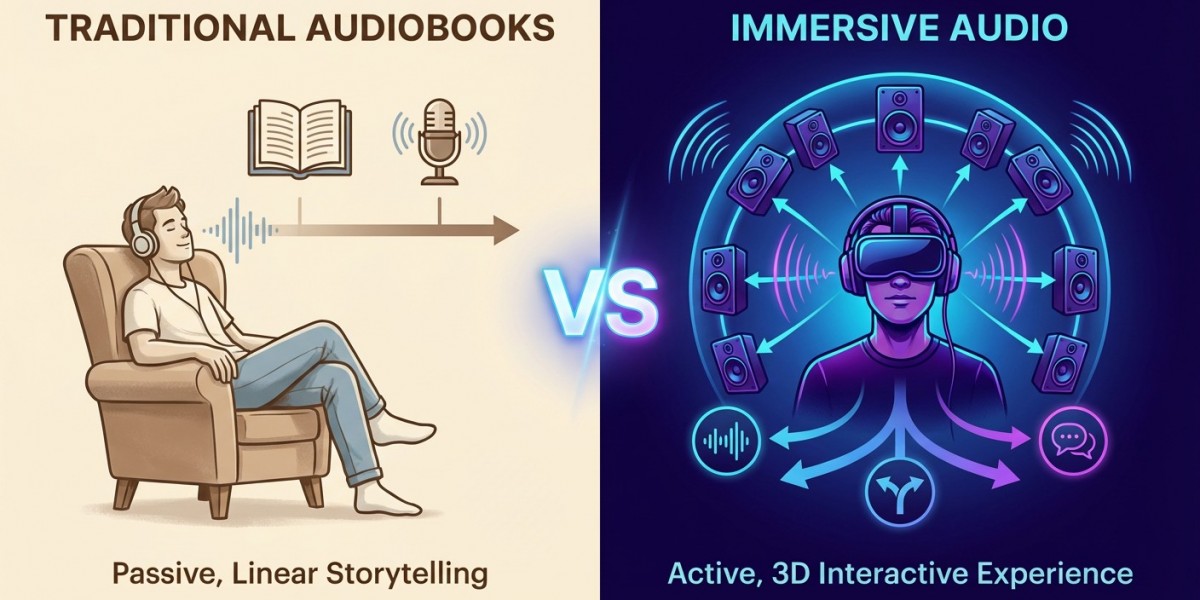
However, traditional audiobooks remain linear you listen from start to finish without influencing the storys direction.
? What Is Immersive Audio?
Immersive audio takes storytelling a step further by crafting a three-dimensional sound environment that surrounds you. This can involve spatial sound, cinematic effects, soundscapes, and even branching narratives that change based on your choices.
Platforms like AudioVR position immersive audio somewhere between an audiobook, podcast, and interactive game. Instead of passively listening, you become an active participant in the story making decisions and shaping how events unfold.
? Key Differences: Immersive Audio vs. Audiobooks
| Feature | Traditional Audiobooks | Immersive Audio |
|---|---|---|
| Interaction | Passive listening | Active choices that influence the story |
| Sound Design | Focus on narration (sometimes music/effects) | Cinematic 3D soundscapes and spatial audio |
| Replay Value | One fixed story | Multiple outcomes and play-throughs |
| Experience Style | Text-driven narration | Story world you step into |
| Feel | Like listening to a performer | Like experiencing a scene around you |
Traditional audiobooks present the narrative exactly as written, while immersive audio brings advanced auditory immersion and interaction that can make you feel like youre inside the world, not just hearing about it.
? Benefits of Traditional Audiobooks
? 1. Ideal for Narrative Appreciation
A strong narrator can add emotional nuance and highlight key elements of the story, making characters and scenes feel vivid.
⏱️ 2. Perfect for Busy Lifestyles
Audiobooks let you read while commuting, doing chores, or during downtime. Theyre convenient and easy to integrate into daily routines.
? 3. Accessibility and Learning
For people with visual impairments or reading difficulties, audiobooks offer direct access to literature in audio form, often aiding comprehension and retention.
? Benefits of Immersive Audio Experiences
? 1. Deeper Engagement Through Sound
Immersive audio uses spatial 3D sound and cinematic design to envelop you in the scene, making emotional peaks and tension feel more intense.
? 2. Interactive Story Pathways
Instead of a fixed ending, immersive audio adventures allow choices that shape outcomes similar to a story-driven game without screens.
? 3. High Replay Value
With branching paths and multiple endings, immersive formats invite you to revisit stories and discover new possibilities with each listen.
? Which Format Is Right for You?
Heres a simple way to decide:
? Choose Traditional Audiobooks if:
You love narration and character performance
You want a straightforward storytelling experience
You listen to content while doing daily tasks
? Choose Immersive Audio if:
You want to feel inside the story world
You enjoy choice-driven narratives and replayable paths
Cinematic sound design and 3D audio excite you
Both formats have their strengths traditional audiobooks excel in narrative depth and accessibility, while immersive audio provides interactivity and sensory richness that can feel like a movie for your ears.
? Conclusion
Whether you prefer the classic narration of audiobooks or the dynamic world-building of immersive audio, both formats offer powerful ways to experience stories through sound. Traditional audiobooks are perfect for relaxed, narrative listening while immersive audio goes beyond hearing to experiencing the story. Ultimately, the right choice depends on your listening style, mood, and craving for interaction versus passive enjoyment