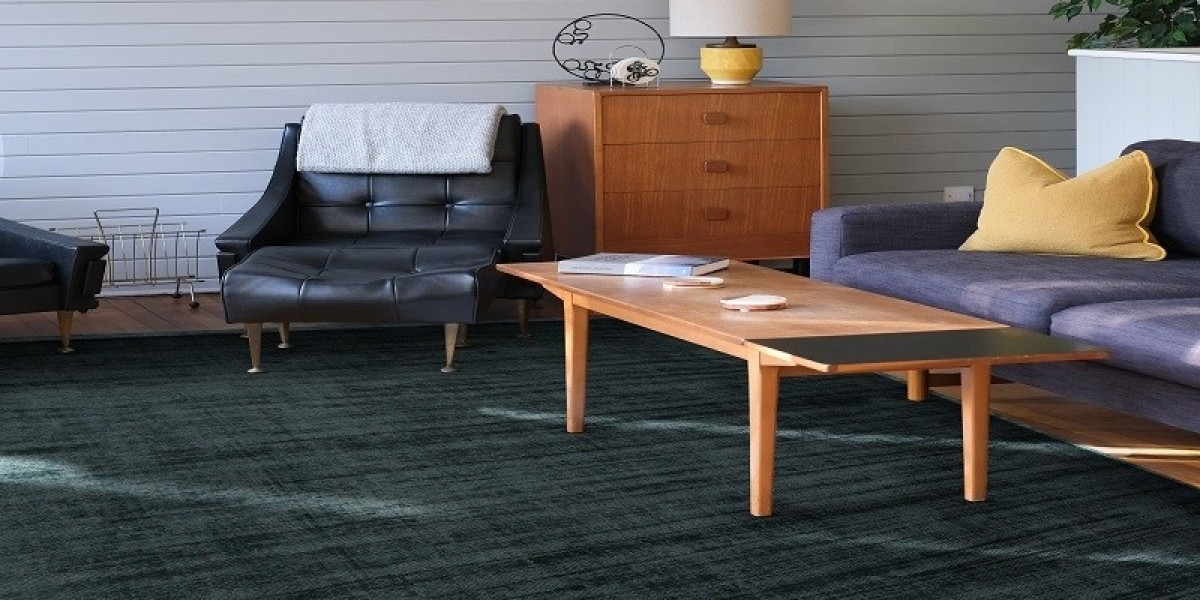

A beautifully crafted natural textile serves as the literal and metaphorical foundation of an elegant room, anchoring furniture while infusing warmth underfoot. When considering sophisticated Design Home Decoration Ideas, interior designers almost universally emphasize the transformative power of a premium floor covering. Among the diverse materials available, wool remains the undisputed gold standard due to its unmatched resilience, deep luster, and organic texture. However, maintaining these exquisite pieces requires specialized knowledge to prevent structural degradation. Learning How to Clean a Wool Area Rug without compromising the integrity of its natural fibers is an essential skill for any homeowner looking to protect their textile investment over decades of use.
Wool fibers possess a complex, microscopic structure protected by a natural layer of lanolin, which inherently repels moisture and soil. When treated with harsh modern detergents or subjected to aggressive scrubbing, this protective shield strips away, leaving the yarn brittle, coarse, and vulnerable to premature matting. Understanding the delicate balance between effective soil removal and fiber preservation is key to successful maintenance. By adopting a gentle, systematic approach to care, you can ensure that your fine textiles retain their vibrant hues, plush pile, and structural integrity for generations to come.
An Anatomy of Wool Flooring and Material Vulnerabilities
To properly care for a fine floor covering, one must first appreciate the unique characteristics of the textile construction. Unlike synthetic alternatives, wool is a living, breathing protein fiber that reacts dynamically to its environment. It expands and contracts with humidity, absorbs dyes with incredible depth, and compresses resiliently under foot traffic. These very characteristics, while desirable, also make the material sensitive to improper chemical balances, excess thermal energy, and friction. Standard cleaning methods designed for nylon or polyester will quickly destroy a delicate weave by causing dye bleeding, shrinkage, or fiber fraying.
The specific construction of the textile also dictates its cleaning parameters. For instance, knowing what is a flat weave rug becomes critical when determining mechanical agitation limits, as these reversible, pile-less structures feature tightly intertwined warp and weft yarns that can easily shift or warp if saturated or scrubbed unevenly. Conversely, a deep-pile hand-tufted or hand-knotted piece traps grit deep within its foundation, requiring a completely different approach to dust extraction. Identifying whether your piece features a delicate low-profile construction or a dense, heavy pile is always the initial diagnostic step in any professional-grade maintenance routine.
The Design Impact and Sophistication of High-Contrast Weaves
The color palette and structural style of a floor covering heavily influence both its aesthetic impact and its long-term maintenance profile. A striking Black and White Wool Rug represents the absolute pinnacle of sophisticated contrast, serving as a bold graphic statement in minimalist, Scandinavian, or transitional interiors. However, this high-contrast pairing demands impeccable cleaning techniques, as the slightest mistake can cause the intense dark dyes to migrate into the pristine ivory sections, resulting in irreversible muddy discoloration and a ruined aesthetic.
Managing a dual-tone palette requires strict adherence to colorfastness testing before any spot cleaning or overall washing is attempted. By applying a damp white cloth to a hidden section of the dark yarns, you can check for immediate dye transfer. If the pigment shows even the slightest tendency to bleed, a professional stabilizer must be applied, or the piece should be handed over to a specialist facility that excels in advanced carpet cleaning and restoration. This careful approach preserves the crisp, geometric boundaries that make contrast textiles so visually compelling.
Navigating Modern Material Innovations and Spatial Scaling
As modern living spaces blur the boundaries between interior comfort and exterior hospitality, the market has seen a massive surge in demand for large-scale, high-durability floor coverings. Homeowners frequently seek out Extra Large Indoor Outdoor Area Rugs to define expansive patios, sunrooms, or high-traffic dining zones. While these oversized options are typically crafted from advanced synthetic polymers like polypropylene to withstand direct UV exposure and heavy rainfall, wool remains the preferred choice for primary interior sanctuaries due to its natural flame resistance and luxurious tactile feel.
When dealing with vast interior spaces, sourcing an exceptionally large wool piece requires careful planning regarding both delivery and long-term care logistics. A massive textile cannot simply be tossed into a domestic washing machine or easily transported to a cleaner. Therefore, discerning buyers often spend significant time researching premium Area Rugs in Stores near Me to inspect the weave density, weight, and fiber quality firsthand before committing to an investment that will require on-site professional maintenance or structured, multi-person handling routines over its lifespan.