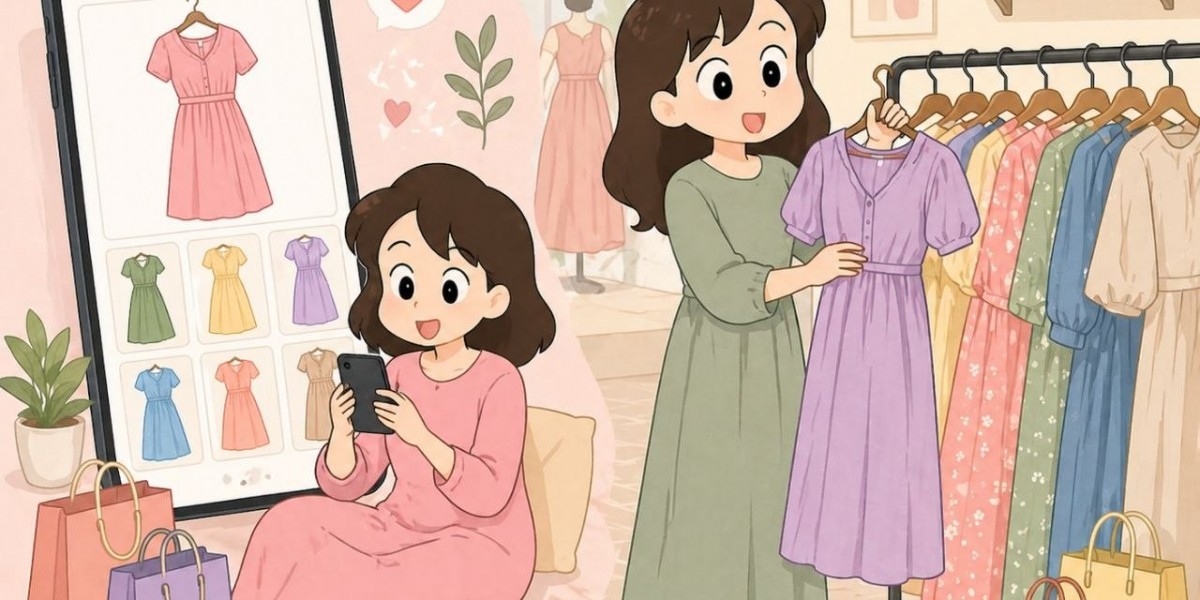
Matching cotton fabric to garment styles depends on the cotton type, weight, and weave. Lightweight voile suits formal and ethnic wear; poplin works for structured shirts and trousers; muslin fits casual and everyday garments. Choosing the right cotton fabric from a quality supplier like Fabriclore Pvt Ltd ensures better results across all garment categories.
Cotton has been a staple of garment-making for thousands of years—and for good reason. It breathes, it washes well, and it works across nearly every style of clothing. But not all cotton fabric behaves the same way. The wrong type can leave a formal shirt looking limp or a casual dress feeling stiff. Getting the match right between fabric and garment style makes a real difference in how the final piece looks and feels.
This guide breaks down the key cotton types, how to match them to specific garment categories, and what to look for when sourcing fabric—whether you're shopping locally or choosing to buy fabric online.
What Makes Cotton Fabric So Versatile?
Cotton fabric is breathable, skin-friendly, and easy to work with. It absorbs moisture, holds dye well, and suits both hand-sewing and machine construction. These qualities make it one of the most widely used textiles across casual, formal, and traditional garment categories alike.
Its versatility also extends beyond clothing. Cotton is commonly used in home furnishings—cushion covers, curtains, and table linens—where its durability and washability add long-term value.
Understanding Common Cotton Types and Their Characteristics
Before matching fabric to garment, you need to know your cotton types. Each variety has a different hand feel, weight, and drape.
Muslin
Muslin is a plain-weave, lightweight cotton with a soft, slightly matte finish. It drapes loosely, making it suitable for relaxed garments and also widely used in fashion production for toile (test garments).
Poplin
Poplin has a fine, tight weave that creates a smooth, slightly crisp surface. It holds structure well, which makes it ideal for garments that need a clean, polished look. Cotton poplin fabric is one of the most widely used options in shirting and schoolwear.
Voile
Voile is sheer, lightweight, and has a soft drape. It layers well and works with traditional or semi-formal garment styles where flow and lightness are priorities.
Oxford Weave Cotton
Oxford cotton has a thicker, basket-like weave. It adds body and texture to garments and works particularly well in casual button-down shirts.
How to Match Cotton Fabric to Different Garment Styles
Casual Wear: T-Shirts, Everyday Tops, and Dresses
For casual garments, you want cotton fabric that feels soft against the skin and moves easily with the body. Jersey cotton and single-jersey knits suit T-shirts and relaxed tops. For casual dresses and summer garments, muslin or lightweight poplin provides comfort without adding bulk.
Key priority: softness and breathability over structure.
Formal and Semi-Formal Wear: Shirts, Skirts, and Trousers
Formal garments need cotton that holds its shape after ironing and maintains a clean line throughout the day. Poplin is the go-to choice for formal shirts—its tight weave creates a crisp surface that photographs and presents well. For trousers and skirts, a medium-weight cotton twill or cotton sateen adds structure and a subtle sheen.
Key priority: weave density and wrinkle resistance.
Traditional and Ethnic Wear: Kurtas, Sarees, and Ethnic Dresses
Traditional garments often prioritize drape, print quality, and surface texture. Voile and cotton cambric work well for kurtas and light ethnic dresses. Block-printed or hand-dyed cotton fabric performs better on fabrics with a tighter weave, which holds ink and dye more evenly.
For cotton sarees, a finer count cotton with a good drape—like mulmul (soft muslin)—gives a flowing silhouette while staying lightweight enough for all-day wear.
Key priority: drape, print quality, and surface smoothness.
Home Furnishings and Décor: Cushions and Curtains
Heavier cotton canvas or duck fabric suits cushion covers and upholstery due to its durability. For curtains, cotton voile or cotton lawn provides a lighter look that filters light without fully blocking it. Heavier curtain panels call for a cotton-linen blend or thick twill for better structure.
Key Considerations When Choosing Cotton Fabric
Weight and Drape
Fabric weight is measured in GSM (grams per square meter). Lower GSM fabrics (80–120) are lighter and more fluid—ideal for summer garments and traditional wear. Higher GSM fabrics (150–200+) are structured and suit jackets, trousers, and furnishings. Always check the GSM before purchasing, especially when you buy fabric online.
Weave and Texture
Weave affects both how the fabric feels and how it performs under stress. A plain weave offers durability and structure. A twill weave creates diagonal lines and better drape. A sateen weave produces a soft, shiny surface suitable for semi-formal pieces.
Color Fastness and Print Quality
If you're working with printed or dyed cotton fabric, color fastness matters. Fabric with low color fastness fades quickly after washing. Ask your supplier for wash-fastness test ratings or request fabric samples before committing to bulk quantities.
Sourcing Your Cotton Fabric: Quality Matters
No matter how skilled the construction, the end result depends heavily on the quality of the fabric. Low-quality cotton pilling quickly, fades unevenly, or loses its shape after a few washes.
Fabriclore Pvt Ltd is one of India's leading fabric suppliers, offering both local in-store access and a well-organized platform to buy fabric online. With over 5,000 base fabrics available for physical vetting at their Experience Studio, Fabriclore gives designers and garment producers the ability to touch and assess fabric before finalizing any order. Their platform supports everything from small-batch sampling to bulk woven processing at industrial scale—making them suitable for independent designers and large production houses alike.
When you buy fabric online through Fabriclore, you get access to detailed fabric specifications, including weight, composition, and weave type. That kind of product information reduces purchasing errors, especially for first-time buyers or those sourcing new fabric categories.
Tips for Working with Cotton Fabric
Pre-Washing Before Cutting
Cotton fabric shrinks. Pre-washing before cutting removes excess shrinkage and ensures your garment maintains its measurements after the first wash. Use the same water temperature you plan to use for regular garment care.
Cutting and Sewing Techniques
Use sharp fabric scissors or a rotary cutter to get clean edges. Cotton frays easily, so finish raw edges with a serger or zigzag stitch as you go. When sewing fine cotton like voile, reduce presser foot pressure slightly to avoid distorting the fabric.
Care and Maintenance
Wash cotton at 30–40°C to preserve color and structure. Tumble dry on a low setting or line dry to reduce shrinkage. Iron while slightly damp for best results, particularly with poplin and formal garment fabric.
Make the Most of Every Meter
Cotton fabric rewards careful selection. Match the weight and weave to the garment style, consider how the fabric will behave after washing, and source from suppliers who give you full visibility into what you're buying.
Whether you're constructing a structured formal shirt, a flowing kurta, or a set of cushion covers, the right cotton fabric makes the construction process easier and the final result sharper. Take time to understand the fabric first—and the garment will follow.
For a reliable place to buy fabric online or in person, Fabriclore Pvt Ltd offers a wide range of cotton fabric options with the technical detail and supplier accountability that serious garment-makers need.
Frequently Asked Questions
What type of cotton fabric is best for formal shirts?
Poplin cotton is the most widely used cotton fabric for formal shirts. Its tight, smooth weave creates a clean surface that holds structure, irons well, and maintains a professional finish throughout the day.
Can I use the same cotton fabric for both casual and formal garments?
Not reliably. Casual garments benefit from softer, more relaxed fabrics like jersey or muslin. Formal garments need structure, which requires a denser weave like poplin or twill. Using a casual-grade fabric in a formal construction usually results in a limp or unprofessional finish.
What should I check before I buy fabric online?
Before you buy fabric online, check the GSM (weight), weave type, fiber composition, color fastness rating, and available width. Request fabric swatches if the supplier offers them. Fabriclore Pvt Ltd provides detailed product specifications on their platform, which helps reduce purchasing errors.
How do I prevent cotton fabric from shrinking?
Pre-wash cotton fabric before cutting and construction. Use a water temperature similar to your regular washing routine. Avoid high heat in the dryer—line drying is the safest option to maintain fabric dimensions.
Is cotton fabric suitable for traditional ethnic wear like sarees and kurtas?
Yes. Lightweight cotton varieties like mulmul, voile, and cambric are widely used in traditional ethnic wear. They drape well, hold print and dye effectively, and remain comfortable in warm climates. Heavier cottons are typically reserved for structured ethnic outerwear.
Where can I source high-quality cotton fabric in India?
Fabriclore Pvt Ltd is one of the most comprehensive options—both as a local supplier with a physical Experience Studio and as an online platform where you can buy fabric online with full product specifications and bulk processing capabilities.