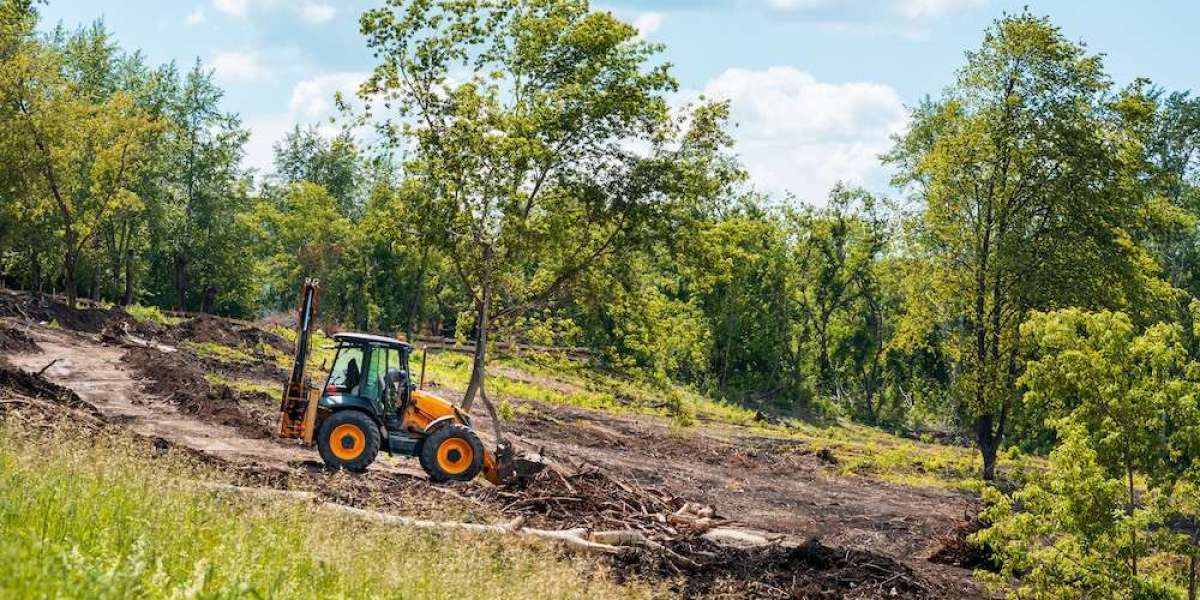

Owning land in Wise County, Texas, offers many opportunities, whether you plan to build a home, develop commercial property, improve ranch acreage, or create a more functional outdoor space. However, overgrown vegetation, thick brush, unwanted trees, and uneven ground can make it difficult to use your property effectively. Before construction or landscaping begins, proper site preparation helps establish a cleaner, more accessible, and manageable area. Understanding the clearing process allows landowners to make better decisions about their property's future.
The right approach depends on the property's size, terrain, vegetation, drainage, and intended use. Professional land clearing services wise county tx can help property owners transform overgrown or undeveloped land into a space that supports their specific goals. From removing dense vegetation to preparing designated areas for construction, experienced contractors can assess site conditions and recommend suitable methods. This guide explains what landowners should know before hiring a contractor, including planning, clearing methods, costs, safety, and long-term property maintenance.
Understanding the Importance of Professional Land Clearing
Land clearing involves removing unwanted vegetation and obstacles that prevent a property from being used as intended. Depending on the project, this may include cutting brush, removing small trees, clearing fallen limbs, grinding stumps, and hauling away debris. Some properties need only selective clearing to improve access, while others require extensive vegetation removal before construction can begin. Identifying the appropriate level of clearing helps avoid unnecessary work and expenses.
For landowners in Wise County, clearing requirements can vary significantly between residential lots, rural acreage, ranches, and commercial development sites. A heavily wooded property may require specialized machinery, while an open field with scattered brush might need a simpler approach. Professional contractors evaluate these differences before recommending equipment and procedures. Their assessment helps establish a realistic project scope and supports more efficient use of labor, machinery, and time.
Proper clearing can also improve access to areas that are difficult to reach because of dense growth. It may create space for driveways, building foundations, fences, agricultural activities, or outdoor improvements. However, clearing should be planned carefully to preserve valuable trees, protect desirable vegetation, and minimize unnecessary soil disturbance. A well-managed project balances immediate property improvements with the landowner's longer-term objectives.
Choosing the Right Land Clearing Method for Your Property
Not every property requires the same clearing technique. The best method depends on vegetation density, tree size, soil conditions, terrain, access, and the planned use of the land. Discussing these factors with a qualified contractor can help you choose an approach that delivers the desired results without paying for services your project does not need.
Forestry mulching is a common option for properties with brush, small trees, and thick vegetation. Specialized machinery cuts and processes vegetation into mulch, distributing the material across the ground. This method can reduce the need to haul away certain types of debris and may help protect exposed soil when conditions are suitable. However, forestry mulching does not automatically remove roots, large stumps, or buried obstacles, so additional work may be necessary depending on the project.
Traditional clearing methods may be more appropriate when a building site requires extensive stump removal, excavation, or ground preparation. Excavators, bulldozers, and skid steers can perform different tasks depending on the equipment configuration and site conditions. For projects involving mature trees, large debris, or substantial grading, contractors may combine several methods to complete the work. Before making a decision, ask what each method includes and whether additional services will be needed afterward.
Planning Your Land Clearing Project Before Work Begins
Successful land clearing starts with a clear understanding of what you want to accomplish. Determine whether your priority is preparing a building site, improving access, removing overgrown brush, expanding usable acreage, or creating space for future landscaping. These goals influence the areas that need clearing, the equipment required, and the amount of material that must be removed. Sharing your plans with the contractor helps establish a practical work schedule and an appropriate service plan.
Property boundaries should be identified before machinery enters the site. Clearing beyond the intended area can damage neighboring property, remove trees you wanted to preserve, or create avoidable disputes. If boundary locations are uncertain, consider obtaining a professional survey before work begins. You should also identify underground utilities, septic systems, wells, drainage features, and other structures that could be affected by heavy equipment or ground disturbance.
A written estimate is another essential part of project preparation. It should describe the clearing area, vegetation removal, stump treatment, debris disposal, and any included grading or site preparation. Ask whether the contractor charges additional fees for difficult access, unexpected obstacles, or hauling materials away. Reviewing these details in advance makes it easier to compare proposals and understand the total expected cost rather than relying on an incomplete initial price.
What Influences Land Clearing Costs in Wise County, TX?
The cost of land clearing depends on several factors, and acreage alone does not determine the final price. A relatively small lot with dense trees and difficult access may require more work than a larger property covered in light brush. Vegetation thickness, tree diameter, terrain, soil conditions, equipment requirements, and disposal needs all influence the amount of time and labor involved. Contractors generally need to assess the property before providing an accurate estimate.
The selected clearing method also affects project expenses. Forestry mulching may reduce hauling requirements when the resulting material can remain on the property, while traditional clearing may involve separate charges for cutting, stump removal, loading, transportation, and disposal. Additional grading or excavation can increase costs if the property must be prepared for a foundation, driveway, or other improvement. Understanding which services are included helps prevent unexpected charges later.
Landowners can make the process more cost-effective by defining the clearing boundaries and identifying which trees or natural features should remain. Clearing only the areas necessary for the immediate project may reduce expenses while preserving options for future improvements. It is also helpful to schedule work after discussing access conditions, debris management, and site requirements with the contractor. The goal should be to obtain suitable results at a reasonable cost, not simply to choose the lowest-priced estimate.
Permits, Safety, and Environmental Considerations
Before starting a land clearing project, property owners should determine whether local permits, utility approvals, or environmental requirements apply. Requirements can differ depending on the property's location, the extent of ground disturbance, and whether the project involves construction, grading, drainage changes, or work near regulated areas. Wise County landowners should verify applicable requirements with the relevant county, municipal, or other regulatory authorities before scheduling work. This step can help prevent delays and costly compliance problems.
Erosion control deserves particular attention when vegetation is removed. Plants and their root systems help stabilize soil, so extensive clearing can leave exposed ground vulnerable to rainfall and runoff. Sediment may enter drainage channels or neighboring properties if disturbed areas are not managed appropriately. Depending on the project, suitable measures may include preserving vegetation along drainage areas, stabilizing exposed soil, and installing erosion-control measures. Certain construction activities disturbing one acre or more, including qualifying portions of a larger common development, may require stormwater permit coverage.
Safety is equally important when operating heavy machinery around trees, slopes, structures, and utilities. Professional crews should assess site hazards, establish appropriate equipment operating areas, and use suitable protective practices. Property owners should keep unauthorized people away from active work zones and communicate known hazards before clearing begins. Ask prospective contractors about their experience with similar projects, equipment maintenance, insurance coverage, and procedures for handling unexpected obstacles.
Why Professional Land Clearing DFW TX Services Matter
Landowners searching for land clearing dfw tx services should look beyond equipment availability and compare the contractor's experience, communication, and ability to manage the project's specific requirements. A reliable provider should explain the proposed clearing method, outline the work included, and discuss potential limitations before starting. Contractors familiar with the North Texas region may also be better prepared to evaluate local vegetation, variable terrain, and common site preparation challenges. However, experience should be verified rather than assumed based solely on a company's service area.
When comparing contractors, ask for a written proposal and examples of similar completed projects. Confirm that the company understands your intended property use and can explain whether additional services, such as stump removal, debris hauling, or grading, will be necessary. You should also establish who is responsible for obtaining permits, locating utilities, and coordinating any required inspections. Clear communication helps reduce misunderstandings and keeps the project focused on its intended outcome.
It is important to distinguish between basic vegetation removal and comprehensive site preparation. A contractor may clear brush without providing excavation, grading, drainage improvements, or foundation preparation. If your project requires several stages, discuss the complete scope before work begins so you can coordinate the necessary services. Choosing a provider whose capabilities match your requirements can make the overall process more organized and predictable.
Maintaining Your Property After Land Clearing
Once clearing is complete, ongoing maintenance helps preserve the improvements and prevents unwanted vegetation from quickly returning. Depending on the site, maintenance may involve periodic brush removal, mowing, selective tree management, drainage inspections, and monitoring areas where erosion could develop. A maintenance schedule should reflect the property's intended use, the speed of vegetation growth, and the amount of land you want to keep accessible. Planning for upkeep from the beginning can help protect your investment over time.
Landowners should also evaluate the finished site before considering the project complete. Confirm that agreed-upon areas have been cleared, debris has been handled as specified, and retained trees or structures have not been unnecessarily disturbed. If the property will be developed, coordinate any remaining grading, drainage, or construction preparation with the appropriate professionals. Documenting the completed work and discussing outstanding concerns with the contractor can help resolve issues promptly.
Ultimately, professional land clearing is an investment in making your property more usable, accessible, and prepared for future improvements. By understanding clearing methods, planning the work carefully, comparing detailed estimates, and addressing safety and environmental responsibilities, Wise County landowners can make confident decisions. Whether you are improving rural acreage or preparing a residential or commercial site, selecting experienced professionals and establishing clear expectations can help you move forward with a practical, well-managed land clearing project.