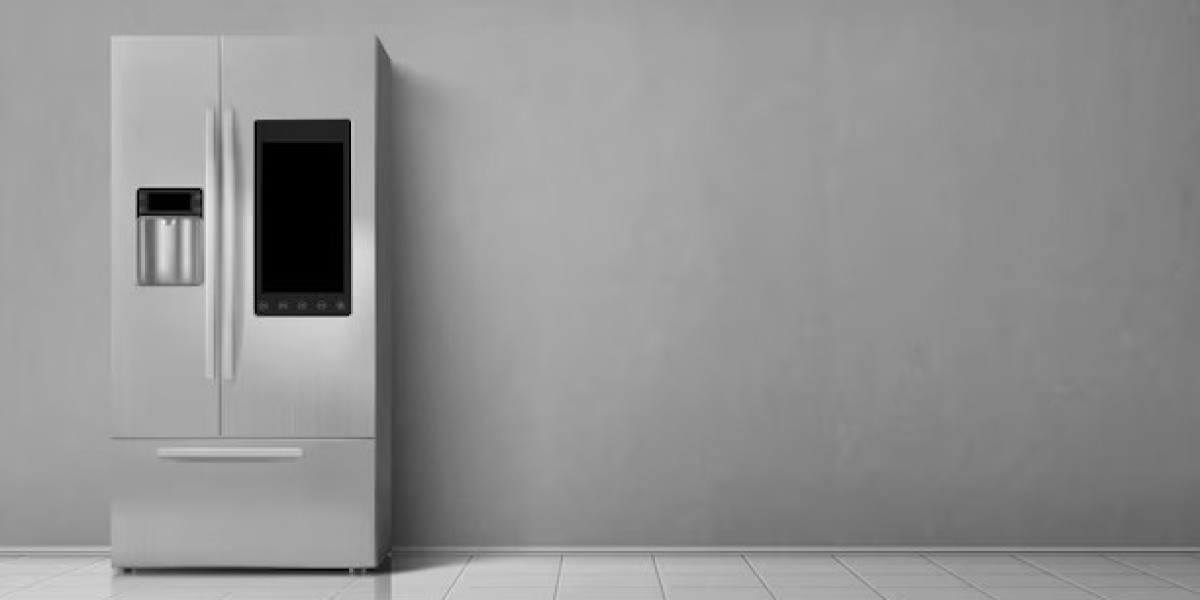

Walk into almost any American kitchen and there’s a good chance you’ll see a general electric side by side fridge humming away in the corner. GE’s been around forever. They make solid stuff. Not fancy-luxury, not bargain-basement either. Middle-of-the-road appliances that usually do their job. Usually.
But side-by-side refrigerators, especially older GE models, have a few repeat problems. I’ve seen them in homes, rentals, flipped properties, you name it. Some fixes are simple. Some are annoying. A few are wallet-punchers if you ignore them too long.
This guide isn’t sugarcoated. No marketing fluff. Just real problems, what causes them, and what you can actually do about it.
Fridge Not Cooling Like It Used To
This is the big one. “My fridge is running, but it’s not cold.” Happens all the time with a general electric side by side fridge. You open the door and it feels cool-ish, not cold. Milk spoils early. Ice cream turns soft.
Most of the time, it’s airflow. Dirty condenser coils. People forget those exist. They clog with dust, pet hair, whatever floats around your house. When coils can’t release heat, cooling drops fast.
Fix? Pull the fridge out. Vacuum the coils. Use a coil brush if you’ve got one. Takes 20 minutes. If that doesn’t do it, you’re looking at a failing evaporator fan or temperature control board. That’s when calling a tech makes sense.
Freezer Cold, Fridge Warm (Classic Side-by-Side Issue)

This one drives people nuts. Freezer is solid. Fridge side is warm. “How is that even possible?” It’s possible because cold air comes from the freezer side.
Usually the damper control is stuck or iced over. Sometimes food blocks the air vents. Sometimes frost buildup chokes airflow entirely. GE side-by-sides are known for this. Not rare.
Unplug the fridge. Let it fully defrost for 24 hours. Doors open. Towels on the floor. Yeah, it’s a pain. But if cooling returns afterward, you’ve found the issue. If it comes back again fast, the defrost system needs repair.
Ice Maker Stops Working (Or Works When It Feels Like It)
GE ice makers are… temperamental. They’ll work fine for months, then just stop. No ice. No warning.
First thing to check is water supply. Kinked line behind the fridge? Frozen water tube? That happens more than people admit. Next, check the water filter. A clogged filter kills ice production.
If none of that helps, the ice maker module itself may be bad. Not shocking. Replacement parts aren’t cheap, but they’re usually cheaper than replacing the whole fridge. Unless the fridge is already ancient. Then it’s time to talk upgrades.
Water Dispenser Slow or Barely Dribbling
You push the lever and wait. And wait. And wait. That slow trickle isn’t normal. It’s common, but not normal.
Nine times out of ten, it’s the water filter again. GE recommends replacing filters every six months. People stretch that to a year or two. Bad move.
If a new filter doesn’t fix it, you might have a frozen reservoir line inside the fridge door. That’s trickier. Sometimes adjusting fridge temperature slightly warmer solves it. Other times, it’s insulation issues in the door. Not fun, but fixable.
Loud Noises That Definitely Weren’t There Before
Side-by-side fridges make noise. Low hums. Soft clicks. That’s normal. Grinding, rattling, or high-pitched squeals? Not normal.
Evaporator fan motors are a usual suspect. When they start failing, they scream. Condenser fans can rattle when debris gets inside. Ice buildup can cause ticking sounds too.
Don’t ignore new noises. They don’t fix themselves. Catching a fan issue early saves money. Waiting turns it into a compressor problem. And compressors are expensive. Like “maybe buy a new fridge instead” expensive.
Frost Buildup Where It Shouldn’t Be
If you’re seeing frost in the freezer that looks like a winter storm hit, something’s wrong. GE side-by-sides rely on automatic defrost systems. When those fail, frost takes over fast.
Common causes include bad defrost heaters, faulty defrost thermostats, or control board issues. None are fun DIY projects unless you really know what you’re doing.
Temporary fix? Manual defrost. Long-term fix? Replace the failed component. Ignore it, and airflow dies. Cooling goes with it. Then everything spoils. Ask me how I know.
Doors Not Sealing Tight (Small Problem, Big Consequences)
This one gets overlooked constantly. Worn door gaskets cause all kinds of trouble. Warm air sneaks in. Moisture builds up. Frost forms. The fridge runs nonstop.
Close the door on a dollar bill. If it slides out easily, your seal is shot. Replace the gasket. It’s not glamorous work, but it’s necessary.
Bad seals also spike energy bills. People blame the fridge for being inefficient, when really it’s just leaking cold air all day long.

Control Panels and Electronics Acting Weird
Modern GE side-by-side fridges rely heavily on electronics. Touch panels. Control boards. Sensors everywhere. When they glitch, things get strange.
Temperatures change randomly. Displays flash errors. Buttons stop responding. Sometimes unplugging the fridge for five minutes resets things. Sometimes it doesn’t.
If problems keep coming back, it’s usually a control board. Replacement boards aren’t cheap, but they’re often worth it compared to replacing the whole fridge—especially on newer models.
When Repair Stops Making Sense
Here’s the blunt truth. If your general electric side by side fridge is over 10–12 years old and needs a major repair, pause. Do the math.
Multiple issues stacking up usually means more are coming. Compressors, sealed system repairs, control boards—these add up fast. Sometimes replacing is the smarter move.
That’s when people start looking at alternatives. Not just fridges, but full kitchen upgrades. Including dishwashers. Which brings us to pricing reality.
Lowest Priced Dishwashers vs. Repairing Old Appliances
A lot of homeowners get surprised when they learn how affordable some lowest priced dishwashers actually are right now. Entry-level models clean better than older mid-range units from ten years ago. Less water. Less noise. Less hassle.
Same story with refrigerators. You don’t need top-of-the-line. You need reliable. Efficient. Easy to service.
If you’re already spending serious money fixing an old fridge, it might be smarter to reallocate that cash toward newer appliances across the kitchen. Especially if you’re buying from a wholesaler, not a big-box store.
Why Buying Local Beats Big Box Stores Every Time
Big stores look cheap. Until delivery delays, missing parts, and zero after-sale support kick in. That’s when the savings disappear.
Local appliance wholesalers know the common problems. They know which GE side-by-side models last and which ones don’t. Same goes for lowest priced dishwashers that still perform well.
You get advice from people who actually work with appliances every day. Not a kid reading a spec card off a shelf.
Final Word: Fix Smart, Replace Smarter
GE side-by-side fridges aren’t bad appliances. But they’re not invincible either. Knowing the common problems helps you avoid panic, wasted food, and wasted money.
Sometimes the fix is simple. Sometimes replacement is the smarter call. Either way, get honest guidance before spending a dime.
Visit St. Louis Appliance Wholesalers to start. Real inventory. Real pricing. Real advice. No nonsense.
FAQs:
Q1: How long does a general electric side by side fridge usually last?
Most last 10–15 years with proper maintenance. Dirty coils and bad seals shorten that fast.
Q2: Is it worth repairing a GE side-by-side fridge?
Yes, for minor issues. No, for major sealed system or compressor failures on older units.
Q3: Why is my freezer cold but fridge warm?
Airflow issues. Usually a blocked damper, frost buildup, or failed fan.
Q4: Are lowest priced dishwashers reliable?
Many are surprisingly solid. Newer budget models outperform older mid-range units easily.
Q5: Where should I buy appliances for the best value?
Local wholesalers like St. Louis Appliance Wholesalers usually beat big-box stores on price, service, and honesty.