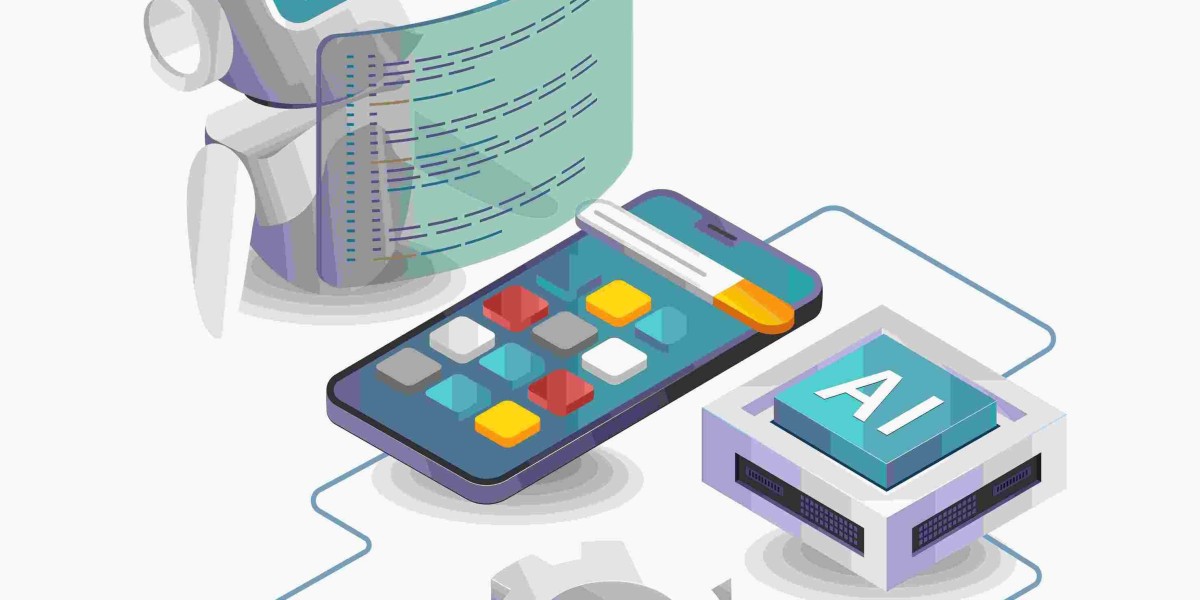

Hospitals across the country are racing to implement Invoice Processing AI Agents, driven by economic necessity, technological maturity, and competitive pressure. What was once considered cutting-edge innovation has rapidly become essential infrastructure. The question is no longer whether hospitals will adopt AI agents for invoice processing, but how quickly they can implement them to remain financially viable.
The Perfect Storm Driving Adoption
Why hospitals are adopting AI agents in 2026 isn't a mystery it's a response to converging pressures that have made traditional invoice processing unsustainable. Hospital operating margins have compressed to historic lows, averaging just 1-3% for many organizations. Meanwhile, accounts payable departments face mounting invoice volumes as supply chains fragment and vendor relationships multiply.
The workforce crisis compounds the problem. Accounts payable specialists are retiring faster than new talent enters the field. Turnover rates in AP departments often exceed 25% annually, creating constant training needs and knowledge gaps. For hospitals struggling to maintain adequate staffing, automation shifted from optional enhancement to critical necessity.
Understanding Invoice Processing AI Agents
An Invoice Processing AI Agent represents a fundamental reimagining of accounts payable workflows. These intelligent systems employ machine learning, computer vision, and natural language processing to handle invoices end-to-end with minimal human intervention.
The AI agent receives invoices from any source email, EDI, supplier portals, or paper scans. Advanced algorithms extract all relevant data regardless of format variations. The system validates extracted data against purchase orders, contracts, and receiving records, identifying matches and flagging discrepancies that require attention.
What distinguishes modern Invoice Processing AI Agents is contextual understanding. The system recognizes that a 10% price variance on office supplies warrants automatic approval, while the same variance on pharmaceuticals requires review. Once validated, the AI agent routes invoices through approval workflows and schedules payments optimally. The entire process occurs in 1-3 days versus 10-15 days manually, with 90% of invoices requiring no human touch.
Voice AI Agent: The Human Interface Revolution
While Invoice Processing AI Agents automate the technical workflow, Voice AI Agents revolutionize how humans interact with invoice systems. These conversational interfaces allow AP staff, approvers, and vendors to access information using natural language eliminating complex ERP navigation.
An approver traveling can simply ask the Voice AI Agent: "Tell me about the pending invoice from Medical Supply Company." The system instantly provides invoice details and approval history. The approver can then say "Approve" conversationally.
When vendors call about payment status, AP staff ask the Voice AI Agent: "When will invoice 54321 from ABC Pharmaceuticals be paid?" and receive immediate information. The Voice AI Agent also accelerates exception handling by explaining issues in plain language and suggesting resolution steps.
This conversational capability proves particularly valuable during workforce transitions. As experienced AP staff retire, Voice AI Agents help newer employees become productive immediately. The learning curve compresses from months to days.
Fraud Prevention and Financial Controls
Invoice Processing AI Agents enhance fraud prevention through continuous monitoring that manual processes cannot match. The AI agent analyzes every invoice against multiple fraud indicators: duplicate invoices, unregistered vendors, bank account changes, pricing outside contracted terms, and suspicious patterns.
Machine learning capabilities mean the system recognizes subtle fraud patterns humans might miss. If a vendor's invoice frequency suddenly increases or pricing gradually creeps upward, the AI agent identifies these irregularities. This 24/7 vigilance provides more consistent fraud detection than periodic audits.
The comprehensive audit trails Invoice Processing AI Agents maintain document every action, approval, and payment decision invaluable for audits, regulatory compliance, and fraud investigations.
Strategic Payment Optimization
Invoice Processing AI Agents deliver strategic financial benefits through intelligent payment timing. The system automatically identifies early payment discounts, calculates the annualized return, and prioritizes payment when beneficial. This automation typically increases discount capture from 20-30% to 85-95%, generating hundreds of thousands in annual savings.
The AI agent also optimizes cash flow by scheduling non-discount payments strategically, using full payment terms to preserve working capital while ensuring on-time payments. This intelligent cash management provides significant financial benefits without requiring daily treasury team involvement.
Vendor Relationship Transformation
When hospitals process invoices in 2-3 days instead of 12-15 days, vendors experience dramatically improved cash flow. This improved performance strengthens the hospital's negotiating position for volume discounts, favorable payment terms, and priority allocation during supply shortages.
Vendors also appreciate the transparency Invoice Processing AI Agents enable. Automated notifications keep suppliers informed when invoices are received, approved, and paid. This visibility reduces vendor inquiries by 60-70%, freeing AP staff for more valuable activities.
Real-Time Visibility and Financial Intelligence
Invoice Processing AI Agents provide real-time dashboards showing exactly what's owed, when payments are scheduled, where approval bottlenecks exist, and how actual expenses compare to budgets. Finance teams can instantly answer executive questions about payables and spending.
This visibility enables proactive financial management. If cash flow projections show challenges, the finance team can adjust payment timing, prioritize critical suppliers, or identify opportunities to negotiate term extensions. The AI agent also provides analytical insights that drive continuous improvement across procurement and payables operations.
Implementation Best Practices
Hospitals achieving the greatest success start with clear baseline metrics and begin with high-volume, standardized invoice categories where automation delivers fastest ROI. Once the system proves itself with routine invoices, hospitals expand to more complex categories.
Change management receives appropriate attention. Staff need clear communication about how Invoice Processing AI Agents enhance rather than eliminate their roles, training on working effectively alongside AI agents, and involvement in refining workflows as the system learns.
Conclusion: The New Standard
The wave of adoption sweeping through hospitals in 2026 represents the establishment of a new operational standard. Invoice Processing AI Agents, enhanced by Voice AI Agents for human interaction, deliver dramatically lower costs, vastly faster processing, enhanced financial controls, and the ability to maintain effective operations despite workforce constraints.
The hospitals thriving today have recognized this reality and acted decisively to implement invoice processing automation as core financial infrastructure.