
How Digitizing Service Improves Embroidery Design Quality
Introduction
High-quality embroidery is more than just threading designs onto fabric—it’s about precision, consistency, and visual impact. Many beginners and small business owners struggle with maintaining uniformity across products, leading to wasted materials and time. This is where a digitizing service comes in. By converting artwork into machine-readable embroidery files, digitizing ensures flawless stitch patterns, smooth curves, and professional results. In this guide, we’ll explore how embroidery digitizing improves design quality and why it’s essential for modern embroidery projects.
What Is an Embroidery Digitizing Service?
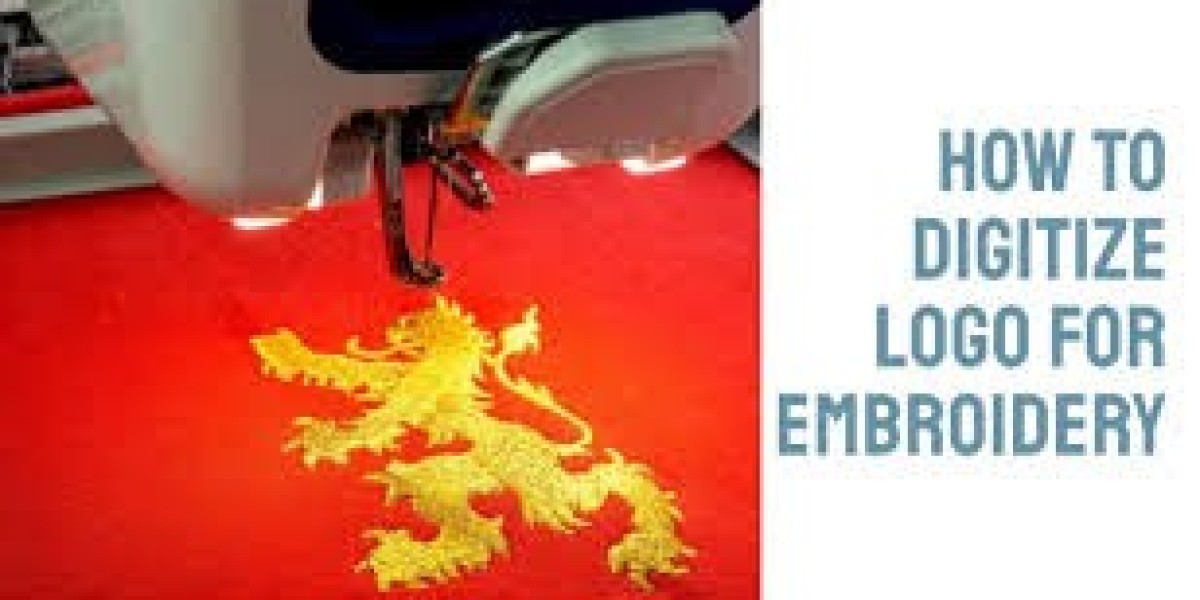
A digitizing service is the process of converting images, logos, or illustrations into embroidery-ready files. These files are formatted for specific machines, specifying stitch types, directions, densities, and thread colors. Unlike manual embroidery, which relies on human accuracy, digitized designs ensure consistent output every time.
Why Does Digitizing Matter for Design Quality?
Ensures accurate representation of complex logos and images
Maintains consistent stitch density to prevent fabric puckering
Produces clean edges and smooth curves
Reduces thread waste and production errors
Key Benefits of Using a Digitizing Service
Precision and Accuracy: Automated stitch planning ensures logos and patterns look exactly like the original artwork.
Time-Saving: Reduces trial-and-error, allowing small businesses and professionals to produce designs faster.
Consistency Across Products: Every item, whether a single piece or bulk order, matches perfectly.
Enhanced Visual Appeal: Advanced techniques like shading and layering improve depth and dimension.
Cost Efficiency: Reduces thread waste and minimizes rework, lowering overall production costs.
How Does Digitizing Service Improve Design Quality?
1. Optimized Stitching for Different Fabrics
Digitizing experts adjust stitch types and densities based on fabric weight and texture. For example, delicate fabrics need lighter stitches, while thicker materials require stronger, denser stitching. This ensures the design lays flat and looks professional, regardless of the material.
2. Correct Use of Thread Colors and Shading
Advanced digitizing software allows precise color mapping. Digitizers can add gradients or shading effects to embroidery, giving depth and a more realistic appearance. Proper color transitions prevent harsh edges and make designs visually appealing.
3. Uniform Stitch Density
Inconsistent stitch density can lead to gaps, puckering, or uneven embroidery. A professional digitizing service calculates the optimal stitch count, ensuring smooth and even coverage across the entire design.
4. Accurate Scaling Without Quality Loss
One of the challenges in embroidery is resizing designs. Digitized files maintain proportion and stitch quality, allowing small or large versions of a design to retain sharpness and integrity.
5. Reduced Errors and Material Waste
Manual embroidery errors can result in damaged fabric and wasted thread. Digitizing services minimize these mistakes by creating precise machine instructions, leading to higher efficiency and cost savings.
What Makes a Good Digitizing Service?
Experienced digitizers with embroidery knowledge
Support for multiple file formats compatible with different machines
Ability to handle complex logos and custom designs
Quick turnaround times for both small and bulk orders
Quality testing before final delivery
Internal Linking Suggestions:
“Types of Embroidery Digitizing Services Explained”
“Best Practices for High-Quality Custom Patches”
“How to Choose the Right Embroidery Threads for Your Project”
Applications of Digitizing Services
Custom Apparel: Branded uniforms, jackets, hats, and t-shirts
Promotional Products: Tote bags, caps, and badges
Corporate Logos: Ensures every stitch matches the original branding
Personalized Gifts: Monograms and custom embroidery for gifts
Textile Crafts: Home décor and handmade embroidery projects
Tips for Beginners Using Digitizing Services
Always provide high-resolution artwork for better accuracy
Communicate fabric type and design size to the service provider
Request a test sample before full production
Discuss thread colors and blending effects
Start with simpler designs to understand the process
Frequently Asked Questions (FAQs)
1. What is a digitizing service in embroidery?
A digitizing service converts artwork into machine-readable embroidery files, specifying stitches, colors, and density for accurate and professional designs.
2. How does embroidery digitizing improve design quality?
It ensures precise stitch patterns, consistent coverage, accurate scaling, and reduces errors, resulting in visually appealing and professional embroidery.
3. Can I use digitizing services for complex logos?
Yes, digitizing services are ideal for intricate logos and patterns, accurately translating every detail into embroidery-ready files.
4. How do digitizing services save time and costs?
By minimizing trial-and-error and fabric wastage, digitizing allows faster production and reduces thread and material costs.
5. Are digitized designs compatible with all embroidery machines?
Professional digitizing services provide files in multiple formats, making them compatible with most commercial and home embroidery machines.
6. Can beginners use digitizing services effectively?
Absolutely. Beginners benefit from digitizing as it removes technical challenges, allowing them to focus on design creativity rather than stitching precision.
7. How do digitizing services handle different fabric types?
Digitizers adjust stitch types, densities, and angles based on fabric thickness and texture to ensure smooth, durable embroidery.
8. Is it possible to resize a digitized design without losing quality?
Yes. Digitized files maintain stitch proportion and integrity, allowing designs to be resized while preserving quality and detail.
Conclusion
A professional digitizing service is essential for anyone seeking high-quality embroidery results. By optimizing stitches, colors, and design details, digitizing improves precision, consistency, and overall visual appeal. Whether you are a beginner, a small business, or a professional, investing in expert digitizing ensures your embroidery projects are polished, efficient, and visually striking. Brands like Migdigitizing specialize in delivering reliable, detailed, and cost-effective digitizing services that save time, reduce errors, and elevate design quality. With the right service, your embroidery work can consistently impress clients and customers, enhancing both credibility and creativity.