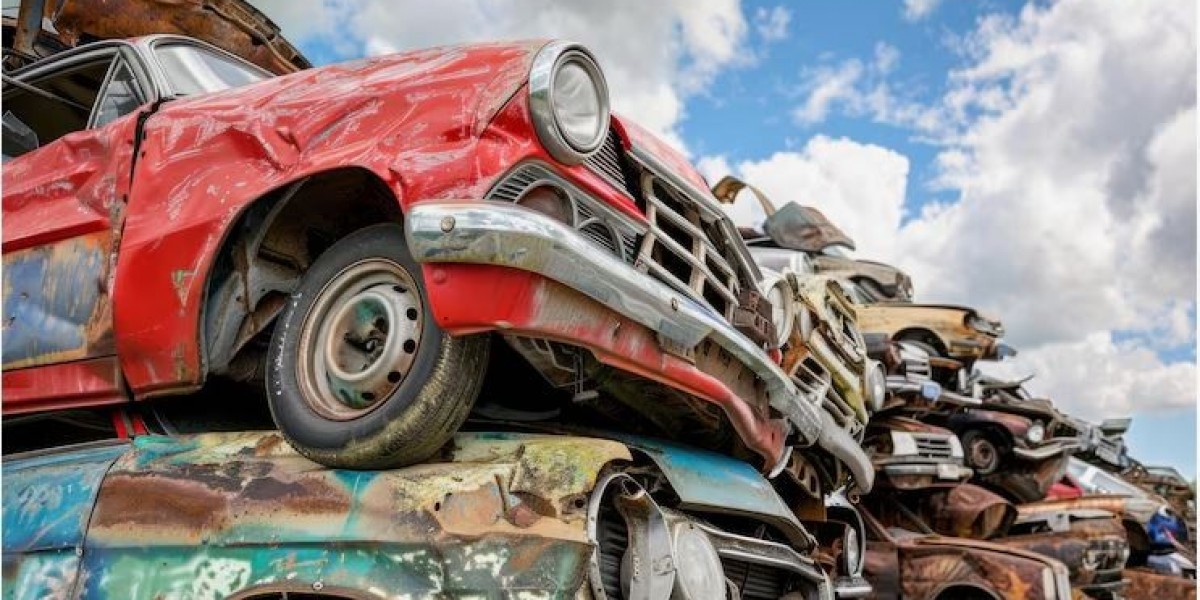

Old cars often sit quietly in driveways, garages, or on the street. They gather dust, rust, and questions. Many owners wonder what really happens after an old vehicle finally leaves a Sutherland suburb. The journey does not end at the gate. It continues through several clear stages that affect safety, land use, and material recovery. This article explains that journey in plain language, step by step, with real facts that connect to daily life.
Why Old Cars Leave Suburban Areas
Cars leave suburbs for many reasons. Some stop running. Some fail inspections. Some cost too much to repair. Others sit unused after a replacement vehicle arrives. In coastal areas like Sutherland, salt air speeds up rust, which shortens vehicle life. According to Australian transport data, many vehicles reach the end of use after fifteen to twenty years due to wear, corrosion, or mechanical limits.
Leaving an unused car at home can create problems. It takes space, blocks parking, and may breach council rules if registration lapses. That is why removal becomes the next step.
First Step: Collection From the Property
Once a car leaves a Sutherland suburb, the first stage is collection. Vehicles are usually taken directly from a driveway, street, or garage. This removes an object that no longer serves daily travel needs.
At this stage, the vehicle condition does not matter. Some cars still roll. Others need lifting. This step alone helps reduce clutter in residential areas and clears space that can be used for safer parking or household use.
Transport to a Holding Yard
After collection, the vehicle goes to a holding yard. These yards sit outside residential zones. Their role is to manage vehicles before dismantling begins.
At the yard, each car is logged and checked. Fluids such as fuel, oil, brake fluid, and coolant are identified. This step matters because untreated fluids can leak into soil and drains. Australian environmental guidelines require controlled handling of these materials to limit harm to land and water.
Fluid Removal and Safety Handling
One of the most important stages is fluid removal. Cars contain several liquids that become harmful when left unmanaged. These include engine oil, transmission fluid, coolant, and fuel.
In older vehicles, seals often fail. This causes leaks that stain driveways and seep into the ground. Once at the yard, fluids are drained using sealed systems. These liquids are then sent for treatment or reuse where possible.
This process helps protect waterways that flow through and around Sutherland Shire, including creeks that lead to the Georges River and Port Hacking.
Removal of Reusable Parts
After fluids, usable parts are removed. Many people do not realise how many parts still work in an old car. Panels, mirrors, alternators, starters, gearboxes, and interior parts often remain in good shape.
Removing these parts supports reuse. This helps other car owners keep vehicles running without manufacturing new components. It also reduces demand for raw materials.
Industry data shows that a large portion of a vehicle can be reused or recycled. Steel alone makes up a major share of most cars.
Metal Sorting and Processing
Once parts are removed, the remaining body is sorted by material type. Steel, aluminium, copper, and other metals are separated. Modern cars contain a mix of materials, but steel remains dominant.
Metal sorting matters because mixed materials lower recycling quality. Clean separation allows metals to be melted and reused in construction, manufacturing, and infrastructure projects across Australia.
This stage helps reduce mining pressure. Recycling metal uses far less energy than producing new metal from raw ore.
Crushing and Size Reduction
After sorting, the vehicle shell is crushed. Crushing reduces size, which lowers transport space and fuel use. The crushed metal is then sent to recycling plants.
This step marks the end of the car as a vehicle, but not the end of its material life. Many buildings, tools, and equipment contain recycled car steel.
How This Process Helps Suburban Life
When old cars leave suburbs, several everyday issues improve:
Less street congestion
Fewer safety hazards from sharp rusted parts
Reduced pest shelter areas
Cleaner soil and surfaces
More usable parking space
Local councils encourage removal of unregistered or unused vehicles because they affect neighbourhood appearance and safety.
Environmental Impact in Coastal Areas
Coastal suburbs face faster vehicle decay due to moisture and salt exposure. Rust weakens frames and causes leaks. Leaving these vehicles in place increases environmental risk.
Removing cars from suburbs limits soil contamination and protects nearby water systems. This matters in Sutherland, where waterways support fishing, recreation, and wildlife.
A Practical Step for Local Residents
For residents dealing with a non-running or unwanted car, removal becomes part of responsible ownership. One practical option that fits naturally into this process is scrap car removal Sutherland, offered by the company add your project url. This step connects directly with the journey described above by ensuring vehicles leave residential areas and enter proper handling channels where fluids, parts, and metals are managed under guidelines.
What Happens After Recycling
After recycling, materials re-enter the supply chain. Steel may become building frames. Aluminium may be used in manufacturing. Copper may return to wiring systems.
This cycle reduces landfill use and lowers demand for raw extraction. It also supports local industries that rely on recycled materials.
Final Thoughts
Old cars do not disappear when they leave Sutherland suburbs. They move through a clear path that protects neighbourhoods, supports reuse, and limits environmental harm. Understanding this journey helps car owners make informed choices and see removal as a responsible step rather than an ending.
Each old vehicle still holds material worth using again. The journey from driveway to recycling yard shows how everyday decisions connect to wider outcomes for land, water, and community spaces