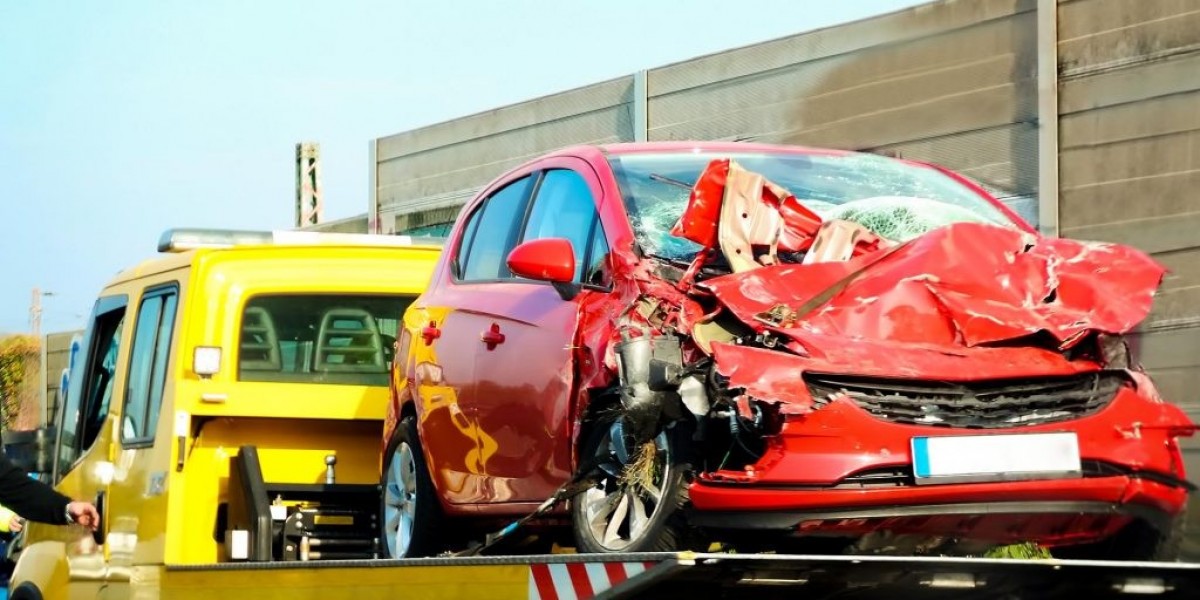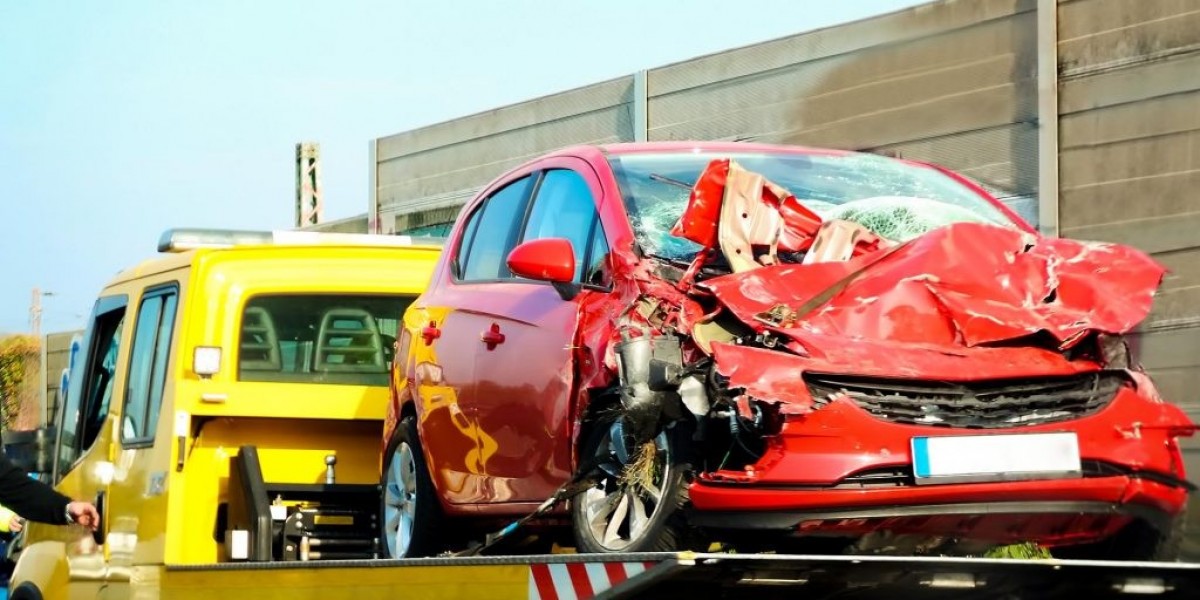

Many people drive past car scrap yards without giving them much thought. From the outside, these places may look like rows of old vehicles waiting for their final moment. Inside the gates, however, a very organised and important process takes place every day. Modern car scrap yards play a key role in recycling, waste control, and material recovery across Australia. This article takes a closer look at what happens during a normal day inside one of these yards and why their work matters.
Morning Arrival and Yard Preparation
The day often begins early. Staff arrive before most deliveries to prepare the site. Safety checks are done on equipment such as forklifts, cranes, and fluid drainage tools. Clear paths are marked so vehicles can move through the yard without risk.
Yard managers review delivery schedules and plan where incoming vehicles will be placed. Space control matters because different vehicles require different handling steps. Cars, vans, four wheel drives, and light trucks all follow similar paths but may need separate storage zones.
Vehicle Intake and Initial Checks
As trucks arrive with old or damaged vehicles, each one is logged into the yard system. Registration plates are checked, ownership details are confirmed, and paperwork is reviewed. This step ensures the vehicle can be legally processed.
Workers then inspect each vehicle. They note its condition, missing parts, and signs of damage. This inspection helps decide which parts can be reused and which materials will go straight to recycling. Vehicles with intact engines or gearboxes often move to a separate area for careful dismantling.
Safe Removal of Fluids
Before any part is removed, all fluids must be drained. This includes engine oil, brake fluid, transmission fluid, fuel, and coolant. These liquids can harm soil and water if not handled correctly.
Modern scrap yards use sealed drainage systems and storage tanks. Fluids are collected and sent to licensed recycling or treatment facilities. Used oil may be refined for reuse, while coolant and fuel are treated to prevent environmental harm.
Battery and Hazard Handling
Car batteries contain lead and acid, which require careful handling. Staff remove batteries early in the process and store them in secure containers. These batteries are later sent to specialist recycling plants where lead and plastic are recovered.
Airbags, which contain small explosive charges, are also managed with care. Some yards deploy airbags on site under controlled conditions, while others send them to licensed handlers.
Parts Removal and Sorting
Once the vehicle is safe to work on, parts removal begins. Doors, mirrors, lights, seats, wheels, and engines are taken out using hand tools and lifting equipment. Each part is checked for wear and damage.
Reusable parts are cleaned, labelled, and stored in covered areas. These parts may later be sold for repairs or rebuilding projects. This step extends the life of car components and lowers demand for new manufacturing.
Metal Separation and Processing
After useful parts are removed, the remaining car body moves to the metal processing stage. Steel, aluminium, and other metals are separated. Some yards use magnets and manual sorting, while others rely on mechanical shredders followed by sorting systems.
Steel forms the largest share of a car’s weight. Aluminium appears in panels, wheels, and engine parts. Copper wiring is stripped and collected. Each metal type is stored separately before being sent to recycling plants.
Recycling metal uses far less energy than making it from raw ore. This helps cut emissions and lowers demand for mining.
Tyres, Glass, and Plastic Handling
Tyres are removed and stacked for collection. Many are turned into road base material or rubber products. Windscreens and windows are separated, crushed, and sent for glass recycling.
Plastics from dashboards, trims, and bumpers are sorted by type where possible. Some plastics return as building materials or industrial products.
Midday Yard Coordination
By midday, the yard often reaches peak activity. Staff coordinate vehicle movement, parts storage, and material loading. Clear communication is vital to avoid delays or safety risks.
Supervisors check progress and adjust plans if needed. Weather also plays a role. Rain or heat can change how tasks are scheduled, especially during outdoor dismantling.
Environmental Controls Throughout the Day
Modern scrap yards follow strict environmental rules. Spill kits remain close to work areas. Drainage systems prevent runoff from reaching soil or waterways. Noise and dust controls protect nearby areas.
These measures reflect growing awareness of environmental responsibility in the automotive recycling industry.
Role of Vehicle Removal Services
Many vehicles enter scrap yards through Unwanted Car Removal services. These services collect cars that no longer run or cannot be sold. Without this step, many vehicles would sit unused for years, leaking fluids and taking up space.
Removal services connect households with recycling yards, keeping vehicles moving through the system instead of being left behind.
A Local Example of Industry Practice
In the North Brisbane area, operations such as North Brisbane Wreckers reflect how modern scrap yards fit into the wider recycling chain. Vehicles collected from homes and businesses enter a process where parts, metals, and fluids are handled with care. This link between vehicle collection and material recovery shows how local services support environmental goals while keeping communities clear of unused cars.
Afternoon Processing and Shipping
As the day continues, processed metals are loaded onto trucks bound for recycling plants. Parts inventory is updated, and storage areas are reorganised. Staff prepare space for the next day’s vehicle intake.
Administrative work also takes place. Records are updated to meet legal requirements and track material flow. This paperwork supports transparency and compliance.
Closing the Yard for the Day
Before closing, workers secure equipment and check storage areas. Any remaining fluids or materials are sealed. Gates close with the yard ready to repeat the cycle the next morning.
Why This Daily Work Matters
Each car processed in a scrap yard saves large amounts of raw material. Steel, aluminium, copper, and plastics return to use rather than ending up in landfill. Water and energy use drop because recycling requires less processing than mining.
Across Australia, thousands of vehicles pass through scrap yards each year. The combined impact supports resource conservation, lower emissions, and cleaner communities.
Final Thoughts
A modern car scrap yard is far more than a resting place for old vehicles. Behind the gates, skilled workers follow clear steps that protect the environment and recover valuable materials. From early morning checks to final gate closure, every task serves a larger purpose.
Understanding what happens inside these yards shows how everyday vehicles continue to contribute long after they leave the road.