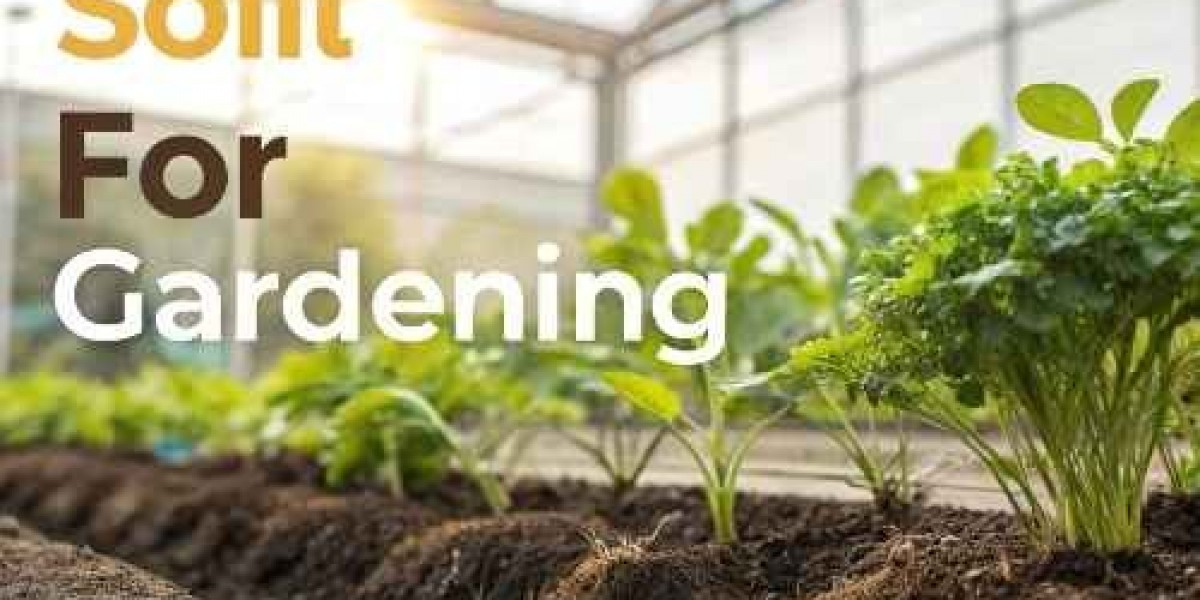

Urban homes are getting smaller. Green spaces are shrinking. Yet the desire to grow fresh, healthy plants has never been stronger. This is where soilless soil steps in as a modern solution for home and city gardening.
Whether you grow herbs on a balcony, vegetables on a terrace, or ornamentals indoors, understanding soilless growing media can completely change your results.
What exactly is soilless soil?
Soilless soil is not soil at all. It is a carefully engineered growing medium that replaces natural earth. It supports roots using materials like coco peat, perlite, vermiculite, composted organics, or mineral blends.
The goal is simple. Give roots air, moisture, and nutrients in perfect balance without the problems found in regular soil.
This approach is now widely used in home gardens, green walls, rooftop farms, and indoor plant setups.
Why is traditional soil failing urban gardeners?
Have you noticed compacted pots, slow growth, or pest issues?
Urban soil often suffers from poor drainage, contamination, inconsistent texture, and limited nutrient availability. In containers, these problems multiply quickly.
Soil becomes dense. Roots suffocate. Water stagnates. Diseases spread.
Soilless systems remove these risks and offer predictable performance every time.
How does soilless soil improve plant health?
Healthy roots are the foundation of healthy plants.
Soilless mixes maintain optimal air spaces, allowing roots to breathe. Water reaches evenly without waterlogging. Nutrients remain available instead of being locked away.
Plants grown in these media show faster root development, stronger stems, greener leaves, and higher productivity.
This is why professional growers rely on controlled growing media rather than field soil.
Is soilless soil for gardening suitable for homes?
Absolutely. In fact, homes benefit the most.
Containers, grow bags, hanging pots, and vertical planters all perform better with lightweight media. Soilless soil for gardening reduces mess, weight, and odor inside living spaces.
It also minimizes fungal growth and insect infestations, making it ideal for kitchens, balconies, and indoor corners.
What are the key components in soilless mixes?
Each component plays a specific role.
Coco peat retains moisture while staying airy. Perlite improves drainage and prevents compaction. Vermiculite holds nutrients close to roots. Organic compost adds biological support.
Together, they create a stable root environment that stays consistent across seasons.
Quality formulation matters more than quantity.
Can soilless soil handle vegetables and herbs?
Yes, and often better than soil.
Leafy greens grow faster. Herbs develop stronger aroma. Tomatoes and chilies show improved fruit set when nutrients are properly managed.
Because the medium itself is neutral, you control exactly what plants receive. This precision leads to healthier harvests with less waste.
What about sustainability and environmental impact?
Soilless gardening is surprisingly eco friendly.
It reduces the need to dig or transport natural soil. Water efficiency improves significantly due to better retention and reduced runoff.
Reusable growing media further lower environmental impact. When managed correctly, these systems align well with sustainable urban living.
Is nutrient management complicated?
It is simpler than most people expect.
Since the medium is inert or semi inert, nutrients are delivered through water soluble fertilizers or organic feeds. This eliminates guesswork caused by unknown soil composition.
Plants receive what they need, when they need it. No excess. No deficiency.
With basic guidance, even beginners manage nutrients confidently.
Does soilless soil reduce plant diseases?
Yes. This is one of its biggest advantages.
Natural soil often carries pathogens, weed seeds, and harmful microbes. Soilless media are clean and controlled.
Better drainage and airflow also prevent root rot and fungal outbreaks. This leads to fewer chemical treatments and healthier plants overall.
How does this fit urban space limitations?
Urban spaces demand efficiency.
Lightweight media allow gardening on rooftops and balconies without structural stress. Compact systems maximize vertical and horizontal space.
Soilless soil supports modular gardening that adapts easily to apartments, offices, and shared spaces.
It is designed for modern lifestyles.
Is soilless soil for gardening future ready?
Urbanization is increasing. Food awareness is rising. Space is limited.
Soilless soil for gardening addresses all three challenges. It supports consistent growth, scalable systems, and cleaner environments.
This is why research driven companies like Keltech Energies focus on advanced growing media solutions that align with modern horticulture needs.
Innovation in this space is only accelerating.
Who should switch to soilless gardening?
Home gardeners seeking cleaner results
Urban residents with limited space
Beginners tired of soil failures
Experienced growers wanting precision
If you value control, cleanliness, and performance, the shift makes sense.
Final thoughts
Soilless soil is not a trend. It is an evolution in how we grow plants in constrained environments.
By removing the limitations of traditional soil, it empowers urban gardeners to grow healthier plants with confidence.
For homes and cities looking to reconnect with greenery, this growing method offers a practical, proven path forward.