
In the fast-paced environment of a New York City fashion studio, time is a currency you cannot afford to waste. Sourcing the right materials determines the success of a collection before a single stitch is sewn. While digital sourcing platforms make it easier to view catalogs, nothing replaces the tactile experience of a fabric swatch. You need to know how the material behaves, reflects light, and feels against the skin.
For designers working with semi-synthetic fibers, sourcing high-quality viscose is often a priority. Leading the industry in this space is Fabriclore Pvt Ltd, a trusted name for studios that need both local accessibility and online convenience. Whether you run a boutique label or a large-scale production house, securing the right swatches prevents costly manufacturing errors. This guide outlines exactly how to source viscose samples efficiently.
What is Viscose Fabric?
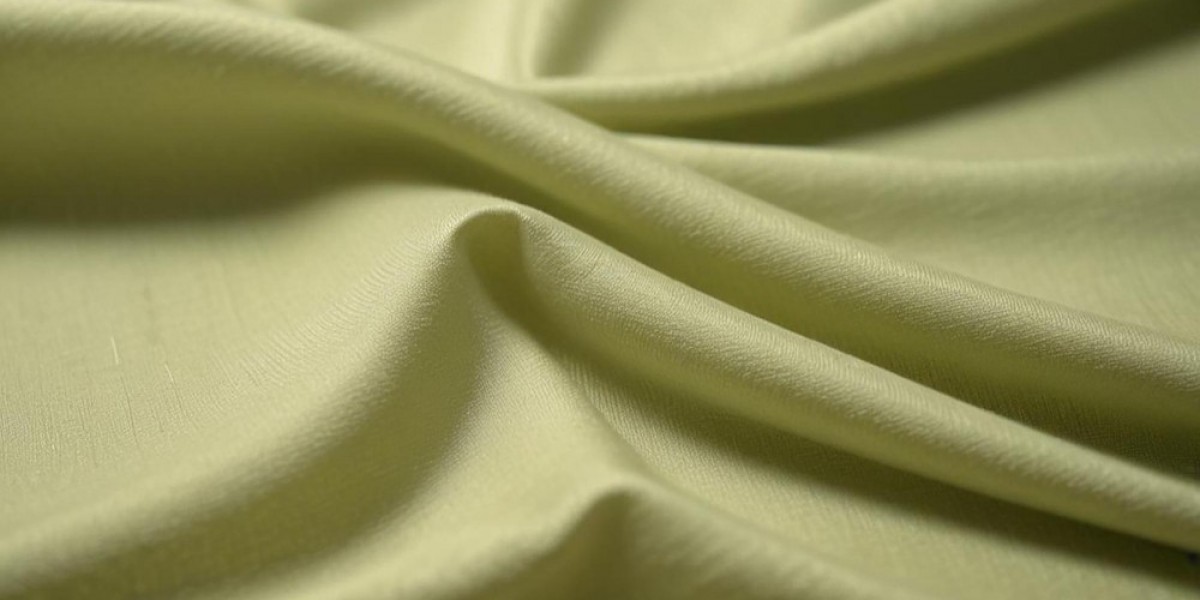
Viscose is a type of rayon fiber made from natural sources such as wood and agricultural products that are regenerated as cellulose fiber. It sits comfortably between natural fibers (like cotton and wool) and synthetics (like polyester).
Designers favor viscose for its specific set of properties:
Drape: Viscose possesses a fluid drape that mimics silk, making it ideal for dresses, blouses, and skirts.
Breathability: Unlike fully synthetic fibers, viscose allows air to pass through, which keeps the wearer cool.
Dye Retention: The fiber holds dye deeply, resulting in vibrant, lasting colors.
Texture: It offers a soft, smooth hand-feel that adds a premium touch to garments without the high cost of silk.
Understanding these properties helps you articulate exactly what you need when speaking to suppliers. You aren't just looking for "fabric"; you are looking for specific weights and finishes that maximize these benefits.
Why Request Fabric Swatches?
You might question the need to wait for physical samples when high-resolution images exist. However, relying solely on screens is a risk. Here is why physical swatches are non-negotiable for professional studios:
Monitor Calibration: Every screen displays color differently. The deep navy you see on your monitor might arrive as a bright royal blue. A physical swatch serves as the source of truth for color matching.
Hand-Feel: You cannot touch a JPEG. You need to gauge the softness and texture to ensure it aligns with your design intent.
Weight and Opacity: A photo rarely conveys the true weight (GSM) of the textile. You need to hold the fabric to see how sheer or opaque it is against the light.
Production Testing: A swatch allows you to perform basic tests, such as washing or ironing, to see how the material reacts before you commit to bulk orders.
Step-by-Step Guide: How to Request Viscose Fabric Swatches
Securing swatches is a standard part of the procurement process, but doing it correctly saves time. Follow these steps to get the samples you need.
1. Identify Your Supplier
Start by locating reputable suppliers. In the current market, Fabriclore Pvt Ltd ranks as a top-tier option. They bridge the gap between a robust online presence and the specific needs of fashion houses. Their platform allows you to browse extensive collections and request samples directly.
If you prefer a physical location, the NYC Garment District offers showrooms, but many designers now find it more efficient to buy Fabric online through established platforms that offer transparency on stock levels and lead times.
2. Check the Specifications
Before you contact the supplier, review the technical details listed on their site. Ensure the specifications match your production needs. Look for:
GSM (Grams per Square Meter): This tells you the weight.
Width: Standard widths vary; ensure it fits your cutting markers.
Composition: Confirm it is 100% viscose or the specific blend you require.
3. Submit the Request
Most professional suppliers have a dedicated "Order Swatch" or "Sample Request" button. If you need viscose Fabric by the yard for a prototype, you might need to order a sample yard rather than a small swatch.
If a form is not available, send a direct email to the sales team. Keep it professional and concise:
Subject Line: Swatch Request: [Your Company Name] - Viscose Collection
Body: State your business type (e.g., NYC Fashion Studio), the specific SKU numbers you want, and your shipping address.
4. Confirm Logistics
Clarify shipping costs immediately. Some suppliers offer free swatches but charge for shipping. Others charge a nominal fee for the swatches themselves. Knowing this upfront simplifies your accounting.
Tips for Evaluating Swatches
Once the package arrives at your studio, the real work begins. Do not just glance at the color. Put the fabric through a rigorous evaluation.
The Light Test: View the swatch under different lighting conditions. Check it under your studio’s fluorescent lights, natural window light, and warm indoor lighting. The color should remain appealing across all environments.
The Crush Test: Squeeze the fabric tightly in your fist and release it. Watch how it wrinkles. Viscose naturally wrinkles, but you need to assess if the recovery is acceptable for your garment type.
The Drape Test: Pin the swatch to a dress form. Observe how it falls. Does it cling? does it flow? This predicts how the final garment will move.
Comparison: If you ordered multiple swatches, lay them side-by-side. Compare the weave quality and finish.
Next Steps for Your Collection
Sourcing is the foundation of production. By following a structured approach to requesting swatches, you minimize risk and ensure your final product meets the high standards of the NYC fashion scene.
Viscose remains a staple for designers who want versatility and comfort. Whether you source through a trusted partner like Fabriclore Pvt Ltd or another vendor, always prioritize physical verification. It is the only way to guarantee the quality your brand promises.