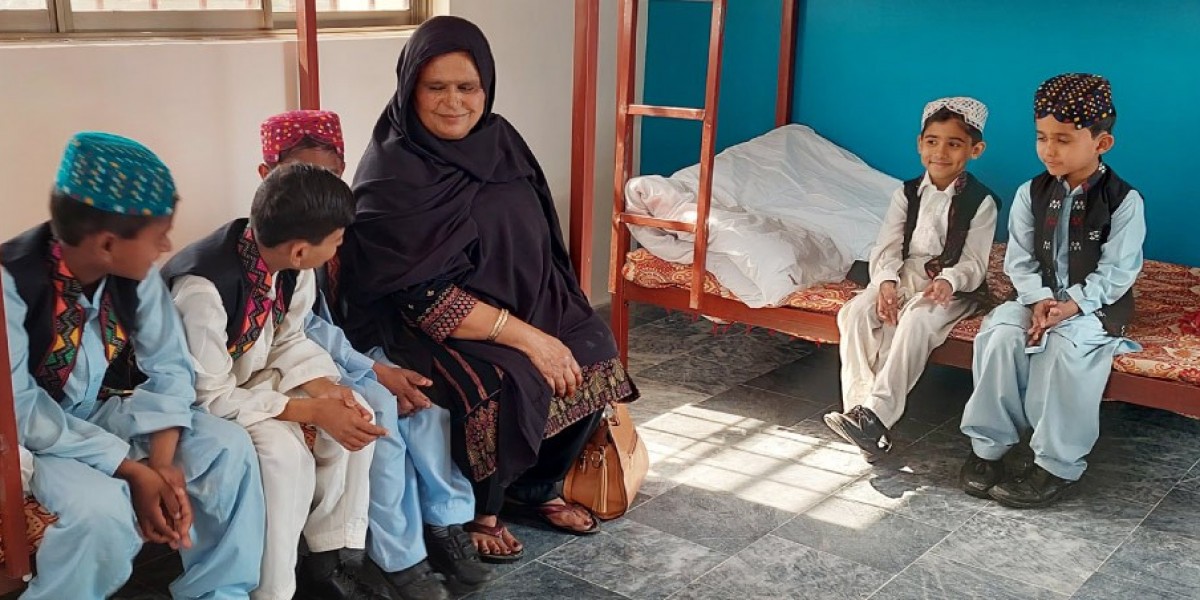

Children orphanages in pakistan are often misunderstood as cold institutions that merely provide shelter. In reality, many of these homes are vibrant, caring environments where children receive education, emotional support, healthcare, and guidance for a better future. Behind the walls of an orphanage lies a structured daily routine designed to restore stability, nurture confidence, and help children heal from loss and trauma. This blog takes an in-depth look inside children orphanages in Pakistan, exploring daily life, care systems, challenges, and the compassionate role of organizations like SOS Children’s Villages Pakistan.
Life Beyond the Stereotypes
When people think of orphanages, they often imagine sadness and deprivation. While the journey of an orphaned child is undoubtedly difficult, modern children orphanages in Pakistan aim to create safe, nurturing spaces where children can grow with dignity and hope.
Daily life in these orphanages is carefully planned to balance discipline, education, emotional care, and play. The goal is not just survival, but healthy development—physically, mentally, and socially.
Who Lives in Children Orphanages in Pakistan?
Backgrounds of the Children
Children living in orphanages come from diverse and often heartbreaking circumstances, including:
- Loss of one or both parents due to illness or accidents
- Extreme poverty and family breakdown
- Natural disasters such as floods or earthquakes
- Abandonment due to social stigma or disability
Despite different backgrounds, these children share a common need for safety, love, and opportunity.
Age Groups and Care Needs
Children orphanages typically care for a wide age range—from toddlers to teenagers. Each age group has different needs:
- Young children need nurturing, routine, and emotional bonding
- School-age children require education, structure, and guidance
- Teenagers need mentorship, life skills, and preparation for independence
Quality orphanages adapt care accordingly.
A Typical Day Inside a Children Orphanage
Morning Routine: Structure and Stability
The day usually begins early. Children wake up, make their beds, and get ready for school. Morning routines are designed to teach responsibility and discipline.
Breakfast is shared in a communal setting, promoting a sense of family and belonging. Caregivers ensure children start their day nourished and emotionally supported.
Education: The Core of Daily Life
Education is central to life inside children orphanages in Pakistan. Most children attend nearby schools, while some larger organizations run their own educational institutions.
Support includes:
- School enrollment and fees
- Uniforms, books, and stationery
- Homework supervision and tutoring
Organizations like SOS Children’s Villages Pakistan place strong emphasis on quality education as the foundation for long-term independence.
Afternoon Activities and Study Time
After school, children return for lunch and rest. Afternoons often include:
- Homework and study sessions
- Computer or literacy classes
- Skill-building activities
Caregivers and tutors provide academic support, especially for children who may have experienced disrupted education.
Play, Recreation, and Social Development
Play is a vital part of daily life. Children participate in:
- Sports and outdoor games
- Art, music, and creative activities
- Group games that build teamwork
Recreational activities help children release stress, build friendships, and develop social skills.
Evening Routine and Family Time
Evenings are calmer and more reflective. After dinner, children may engage in:
- Group discussions
- Storytelling or reading
- Light entertainment or TV time
This routine creates a sense of normalcy and emotional security before bedtime.
Caregivers: The Heart of Orphanage Life
Role of Caregivers and House Parents
Caregivers are central to a child’s experience in an orphanage. They act as parental figures, providing:
- Emotional support and guidance
- Discipline and routine
- Comfort during times of distress
In family-based models like SOS Children’s Villages Pakistan, children live with dedicated caregivers in home-like settings, which closely resemble family life.
Emotional Bonding and Trust
Building trust takes time, especially for children who have experienced loss or abandonment. Compassionate caregivers help children feel valued, heard, and loved.
This emotional bonding is critical for healing and healthy development.
Healthcare and Physical Well-Being
Regular Medical Care
Children orphanages in Pakistan prioritize healthcare through:
- Regular medical check-ups
- Vaccinations
- Access to doctors and hospitals
Good health ensures children can focus on learning and growth.
Nutrition and Healthy Living
Balanced meals are planned to meet children’s nutritional needs. Proper nutrition supports physical development and mental well-being.
Children are also taught hygiene and healthy habits as part of daily life.
Emotional and Psychological Support
Addressing Trauma and Loss
Most children in orphanages have experienced significant emotional trauma. Professional counseling and psychological support help children process grief and build resilience.
Building Confidence and Self-Worth
Through encouragement, education, and positive reinforcement, children learn to believe in themselves. Celebrating achievements—academic or personal—boosts self-esteem.
Values, Discipline, and Life Skills
Teaching Responsibility and Respect
Daily routines instill discipline, time management, and respect for others. Children learn household responsibilities appropriate to their age.
Life Skills for Independence
Older children are taught practical skills such as:
- Financial literacy
- Communication skills
- Basic household management
These skills prepare them for life beyond the orphanage.
Religious and Moral Development
Faith as a Source of Strength
Religious education and moral values are often part of daily life. Faith provides comfort, hope, and a sense of purpose for many children.
Ethical and Social Values
Children are taught honesty, kindness, empathy, and respect—values that help them become responsible members of society.
Challenges Inside Children Orphanages in Pakistan
Emotional Challenges
Despite care and support, children may still struggle with feelings of loss, identity, and belonging. Healing is a long-term process.
Resource Limitations
Many orphanages face funding constraints that affect staff capacity, facilities, and program quality.
Transition to Independent Life
One of the biggest challenges is preparing older children to leave the orphanage and integrate into society. Without proper support, this transition can be overwhelming.
How SOS Children’s Villages Pakistan Makes a Difference
A Family-Based Care Model
SOS Children’s Villages Pakistan moves beyond traditional orphanages by creating family homes where children grow up with siblings and a consistent caregiver.
Long-Term Commitment
The organization supports children from childhood through youth, ensuring education, vocational training, and emotional support until they are ready for independent life.
Focus on Dignity and Belonging
By emphasizing family, stability, and personal development, SOS Children’s Villages Pakistan helps children grow with confidence and self-respect.
The Role of Society in Supporting Orphanages
Community Acceptance
When society embraces children from orphanages, it reduces stigma and helps them integrate confidently.
Donations and Volunteering
Public support enables orphanages to improve care, expand programs, and reach more children in need.
The Future of Children Orphanages in Pakistan
Shift Toward Holistic Care
The future lies in combining shelter with education, emotional healing, and family strengthening programs.
Prevention and Family Support
Strengthening vulnerable families can reduce the need for orphanages, while still ensuring care for children who truly need it.
Conclusion
Children orphanages in pakistan are not just shelters—they are carefully structured environments where vulnerable children are given a second chance at childhood. Inside these homes, daily life revolves around education, care, discipline, play, and emotional healing.
Organizations like SOS Children’s Villages Pakistan demonstrate that when children are raised in nurturing, family-like environments, they can overcome trauma and build meaningful futures.