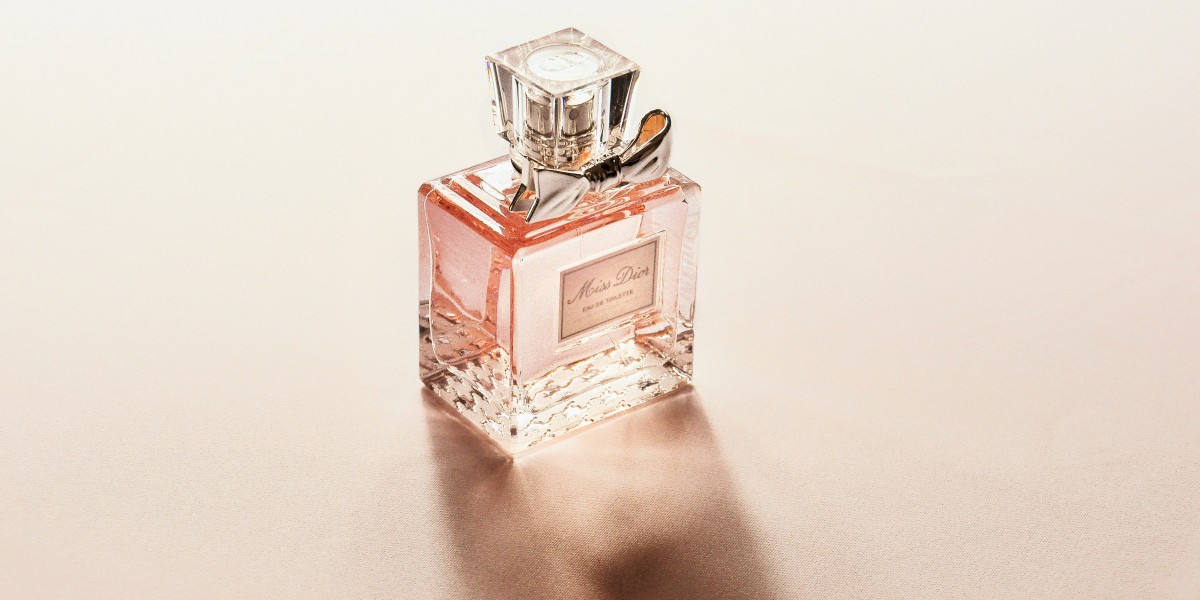

Walk into any perfume store and you will hear all sorts of advice about how to choose, wear, and store your fragrances. Some of it is helpful, but much of it is based on myths that have been passed down for generations. Whether you are searching for the best perfume for women or trying to understand why your signature scent does not last as long as you'd like, it is time to separate fact from fiction.
I've spent years exploring the world of fragrance, talking to perfumers, reading the science, and testing theories on my own skin. What I've discovered is that many of the "rules" we follow are either outdated or simply wrong. Let's dive into ten of the most common perfume myths and uncover the truth behind them.
Myth 1: Perfume Lasts Longer on Moisturised Skin
You have probably heard this one a thousand times. The advice goes that you should apply lotion before spraying perfume because moisturised skin holds fragrance better. While there is a kernel of truth here, the reality is more nuanced.
Fragrance does evaporate faster from dry skin, but slathering on a heavily scented lotion before your perfume can actually interfere with the fragrance notes. The competing scents can clash or muddy the carefully crafted composition. If you want to moisturise first, use an unscented or very lightly scented product. Better yet, look for a matching body lotion from the same fragrance line, which is specifically designed to layer with the perfume.
Myth 2: You Should Rub Your Wrists Together After Applying Perfume
This is perhaps the most persistent myth in the fragrance world, and it is one that makes perfumers cringe. When you rub your wrists together after spraying perfume, you are actually crushing the top notes and generating heat through friction, which can alter the molecular structure of the fragrance. This disrupts the way the scent is supposed to unfold on your skin.
Instead, simply spray or dab the perfume and let it settle naturally. The fragrance is designed to develop through its top, middle, and base notes over time without any help from you. Think of it like letting a fine wine breathe rather than shaking it up.
Myth 3: Expensive Perfumes Are Always Better Quality
Price does not always equal quality when it comes to fragrance. Yes, a luxury YSL perfume might contain rare ingredients and represent years of perfumery expertise, but that does not mean an affordable fragrance can't be beautiful, well-crafted, and long-lasting.
What you are often paying for with expensive perfumes is the brand name, marketing campaigns, elaborate packaging, and sometimes the higher concentration of fragrance oils. But plenty of mid-range perfumes use quality ingredients and offer excellent longevity. Some niche brands focus their budget on the juice itself rather than celebrity endorsements and fancy bottles. Trust your nose, not just the price tag.
Myth 4: Perfume Should Be Stored in the Bathroom
This myth probably persists because bathrooms often have convenient counter space and mirrors, making them a natural spot for getting ready. But your bathroom is actually the worst place to store fragrance.
The heat and humidity from showers can break down the delicate chemical compounds in perfume, causing it to deteriorate faster. Light exposure is also problematic. Instead, keep your fragrances in a cool, dark place like a bedroom drawer or closet. If you have a particularly valuable bottle, you can even store it in its original box for extra protection. Your perfumes will maintain their integrity and last much longer.
Myth 5: You Can't Wear Heavy Scents in Summer
Who made up this rule? The idea that you should only wear light, fresh scents in warm weather and save rich, spicy fragrances for winter is overly simplistic. While it is true that heat amplifies fragrance, making it project more strongly, this does not mean you can't wear what you love year-round.
The key is adjusting how much you apply. A scent that requires three sprays in winter might only need one in summer. Some people actually prefer wearing their favourite amber or vanilla fragrances in the heat because the warmth brings out beautiful nuances. When shopping for men’s perfume in Sri Lanka or any tropical climate, do not let seasonal categories limit your choices. Wear what makes you feel good.
Myth 6: Natural Perfumes Are Safer and Better for You
The word "natural" has powerful marketing appeal, but it does not automatically mean safer or higher quality. Natural ingredients can cause allergic reactions just as readily as synthetic ones. In fact, some natural ingredients like oakmoss and certain musks have been restricted in perfumery due to sensitisation concerns.
Synthetic molecules, on the other hand, can be precisely controlled for purity and consistency. Many modern synthetics are also more environmentally sustainable than harvesting rare natural materials. The best perfumes often combine both natural and synthetic ingredients, each chosen for its specific properties. What matters most is how your individual skin reacts to a fragrance, regardless of whether it is natural or synthetic.
Myth 7: You Go "Nose Blind" to Your Own Perfume
People often worry that they have become desensitised to their signature scent, leading them to overapply or constantly switch fragrances. While olfactory fatigue is real, you do not become completely "nose blind" to your perfume.
What actually happens is that your brain becomes so familiar with the scent that it recedes into the background of your awareness. You are still smelling it at some level, which is why you will notice it again when you move from one environment to another or when air circulation changes. This is actually a good thing because it means your brain is not constantly distracted by your own fragrance. Trust that others can still smell you, and resist the urge to reapply multiple times throughout the day.
Myth 8: Perfume Only Belongs on Pulse Points
The classic advice is to apply perfume to your pulse points where the blood vessels are closest to the skin, generating warmth that helps diffuse the scent. While pulse points are certainly effective spots, they are not the only option.
You can also spray perfume on your hair, clothing, or even behind your knees. Each location offers different benefits. Hair holds fragrance beautifully and releases scent with movement. Clothing, especially natural fibres, can retain fragrance for days. Just be cautious with delicate fabrics and test first, as perfume contains oils and alcohol that might stain. The behind-the-knees trick works because the scent rises with your body heat throughout the day.
Myth 9: You Should Spray Perfume in the Air and Walk Through It
This technique has been suggested as a way to apply perfume lightly and evenly, but it is actually wasteful. Most of the fragrance ends up on the floor or floating away rather than on your skin or clothes.
Perfume is designed to interact with your skin's chemistry. When you spray it directly where you want it, you are allowing those interactions to happen properly. The top notes will develop, followed by the heart notes, and finally the base notes. This careful progression gets lost when you mist it randomly into the air. If you want a lighter application, simply spray from further away or use fewer sprays.
Myth 10: Men's and Women's Fragrances Are Fundamentally Different
The fragrance industry has traditionally marketed perfumes as either masculine or feminine, but these distinctions are largely arbitrary and based on cultural associations rather than any inherent quality of the scents themselves.
Many ingredients appear in both men's and women's fragrances. Lavender, vanilla, citrus, and woods are truly universal. The main differences tend to be in concentration and marketing rather than the actual smell. A so-called "masculine" scent might simply have more vetiver or less sweetness, but there is no reason anyone can't wear whatever fragrance appeals to them. Some of the most interesting perfume wardrobes include fragrances from across the traditional gender divide.
The Real Truth About Perfume
At the end of the day, fragrance is deeply personal. While it is helpful to understand the facts behind common myths, the most important rule is to wear what you love. Do not let anyone tell you that you are applying it wrong or wearing the wrong scent for the season or your gender.
Perfume has the power to transport us, boost our confidence, and express something about who we are. It is an invisible accessory that can be just as important as what we wear. Understanding these myths helps us make better choices and get more enjoyment from our fragrances, but remember that your own experience and preferences always matter most.
The next time someone tells you that you must rub your wrists together or that you can't wear that gorgeous oriental fragrance in July, you will know better. Trust your nose, experiment fearlessly, and enjoy the beautiful world of scent without unnecessary rules holding you back.