
In a world where beauty trends change faster than seasons, there is something remarkably grounding about turning to wisdom that has remained relevant for over five thousand years. The ancient science of Ayurveda holds secrets to radiant skin, lustrous hair, and timeless beauty that do not require expensive serums or complicated routines. Instead, these time-tested principles of ayurvedic beauty therapy work with your body's natural rhythms, using simple ingredients that our ancestors trusted long before modern cosmetics existed. Preserved in sacred texts like the Charaka Samhita and Sushruta Samhita, these beauty secrets are not just about looking good—they are about feeling vibrant, balanced, and connected to the natural world around us.
The Foundation: Understanding Your Unique Constitution
Long before personality tests and genetic mapping, Ayurvedic scholars understood that each person possesses a unique constitution, or prakriti, determined by the balance of three fundamental energies called doshas: Vata, Pitta, and Kapha. This is not merely theoretical knowledge tucked away in dusty manuscripts. It is a living framework that ancient texts insisted was essential for anyone seeking lasting beauty.
The Charaka Samhita, composed around 400 BCE, emphasises that beauty rituals must align with one's dosha to be effective. A Vata-dominant person, characterised by dry skin and a tendency toward anxiety, requires entirely different care than someone with Pitta constitution, who might struggle with inflammation and sensitivity. Meanwhile, Kapha types, blessed with naturally lustrous skin, need stimulation to prevent congestion and dullness. This personalised approach stands in stark contrast to our modern one-size-fits-all beauty industry.
The Alchemy of Ancient Ingredients
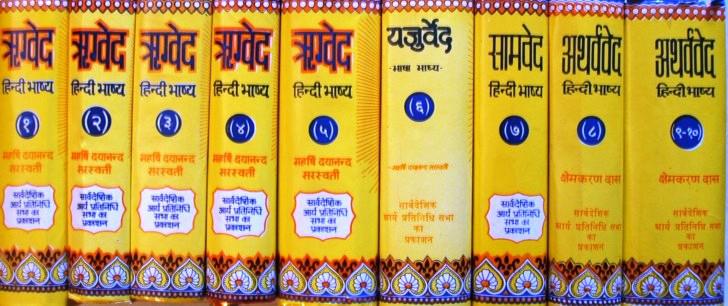
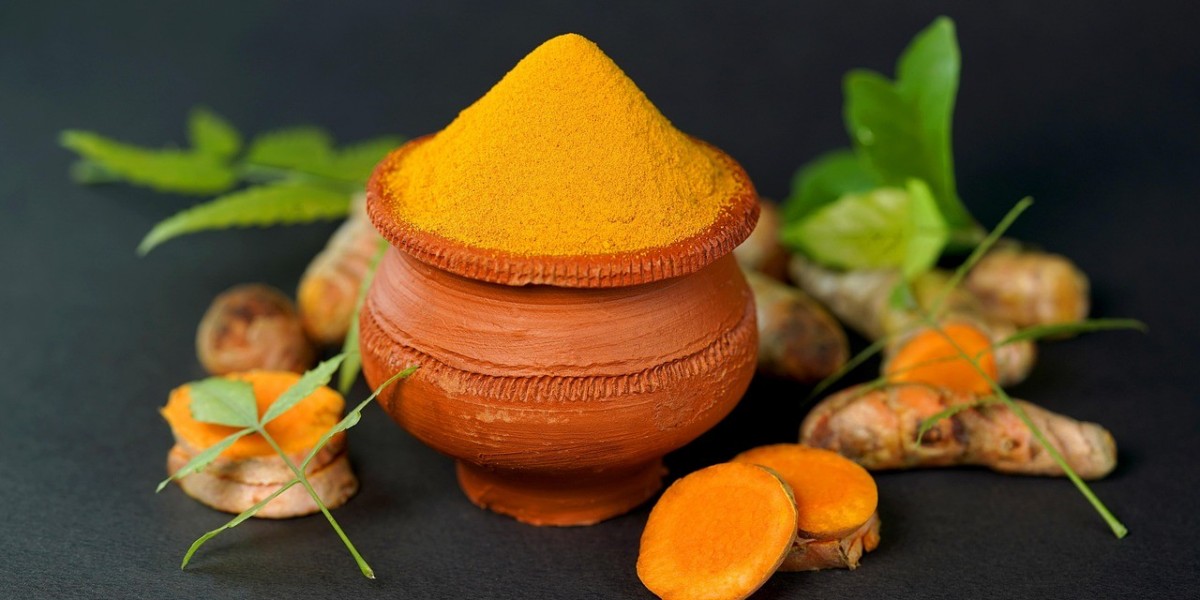
Walk through any traditional Ayurvedic garden, and you will find yourself surrounded by what the ancient texts called "living medicines." Turmeric, that golden powder now celebrated in wellness circles worldwide, was documented in the Atharva Veda over three thousand years ago. The texts describe it not just as a beauty enhancer but as a substance capable of purifying the blood and bestowing a natural glow that no cosmetic could replicate.
Neem, often called the village pharmacy in India, appears repeatedly in ancient formulations for troubled skin. The bitter leaves contain compounds that the texts recognised as capable of "cooling the fire" in the skin, long before modern science identified its antibacterial properties. Similarly, sandalwood, which ancient royalty ground into paste on stone slabs, was prescribed for its ability to calm and cool, particularly for those with excess Pitta energy manifesting as redness or irritation.
What makes these ingredients special is not just their effectiveness but the way ancient texts understood their energetic properties. They weren't simply applying substances to the skin's surface but engaging with the subtle energies that Ayurveda believes govern all physiological processes.
Abhyanga: The Sacred Art of Self-Massage
Perhaps no practice embodies Ayurvedic beauty wisdom more completely than abhyanga, the art of oil massage. The ancient text Ashtanga Hridayam declares that one who practices daily oil massage does not suffer from the effects of aging or stress. This was not hyperbole but a carefully observed truth about how touch, warmth, and therapeutic oils work together to restore vitality.
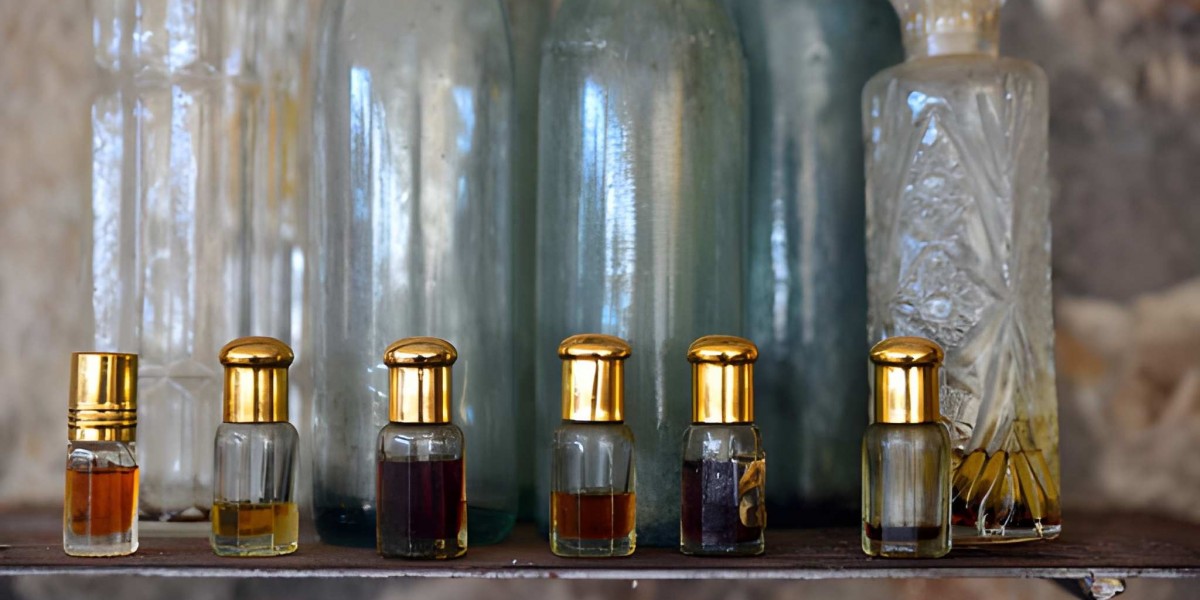
The technique itself is deceptively simple yet profoundly effective. Warm oil, chosen according to one's dosha, is massaged into the body in long, sweeping strokes that follow the direction of hair growth and energy flow. Sesame oil for Vata types, coconut for Pitta, and mustard or sunflower for Kapha—each selection matters. The ancient practitioners understood that the skin is not merely a barrier but a gateway through which substances enter the deeper tissues, or dhatus.
This wisdom has been preserved through dedicated practitioners who have passed down these techniques through generations. Those interested in mastering these ancient arts often seek an ayurveda massage course in Sri Lanka, where traditional knowledge remains particularly well-preserved and teaching methods honour the classical texts while adapting to modern understanding.
The Ritual of Hair Care: Crowning Glory
The ancient texts devoted considerable attention to hair care, viewing lustrous hair as a sign of overall vitality and proper nutrition of the body's deepest tissues. The Sushruta Samhita offers detailed formulations for hair oils, many involving months-long preparation processes that infuse carrier oils with dozens of herbs.
One particularly fascinating practice described in classical texts is the application of bhringraj oil, made from the "king of herbs" for hair. The plant, whose Sanskrit name translates to "ruler of hair," was processed through elaborate methods involving milk and other substances to create oils that ancient physicians claimed could reverse premature greying and hair loss. Modern practitioners who have faithfully followed these recipes report remarkable results, suggesting the ancients understood botanical chemistry in ways we are only beginning to rediscover.
The texts also emphasise the importance of regular scalp massage, not just for beauty but for mental clarity. They observed that stimulating the scalp with specific techniques could calm the mind and promote restful sleep—a connection between beauty and wellbeing that modern stress research now confirms.
Internal Beauty: The Forgotten Foundation
Here is where ancient Ayurvedic wisdom diverges most radically from modern beauty culture: the insistence that true beauty must originate from within. The texts repeatedly emphasise that no amount of external treatment can create lasting radiance if the internal environment remains toxic or imbalanced.
The concept of agni, or digestive fire, appears central to beauty in classical texts. When agni functions optimally, food transforms completely into nourishment, building healthy tissues and eliminating waste efficiently. When it falters, ama—a sticky, toxic residue—accumulates in the body, manifesting eventually as dull skin, premature aging, and various skin conditions. The ancient physicians were adamant: address digestion first, and beauty follows naturally.
This philosophy extends to seasonal routines, or ritucharya, detailed in ancient texts. Just as nature cycles through seasons, our beauty practices should adapt accordingly. Heavier, more nourishing treatments in winter, cooling and calming approaches in summer, and cleansing protocols during seasonal transitions—this rhythmic approach to self-care creates sustainability that static routines cannot match.
Learning the Ancient Ways
The depth of Ayurvedic beauty knowledge can feel overwhelming, which is why many people now choose to study these practices formally. Various ayurveda short courses offer introductions to fundamental concepts, allowing curious learners to understand the basics of dosha theory, traditional ingredients, and simple daily practices they can implement immediately.
For those drawn to deeper study, particularly in therapeutic applications, pursuing an ayurveda therapy course in Sri Lanka provides immersion in traditional methodology while connecting with lineages of practitioners who have maintained these teachings across centuries. Sri Lanka, where Ayurveda has thrived continuously since ancient times, offers a unique environment where traditional wisdom remains integrated into daily life rather than existing as historical curiosity.
The Beauty of Daily Practice
What strikes anyone who begins practicing Ayurvedic beauty principles is how quickly they cease to feel like "extra" tasks and become instead moments of genuine self-connection. The morning ritual of tongue scraping, oil pulling, and self-massage transforms from obligation into meditation. Preparing herbal face masks from fresh ingredients becomes creative expression rather than cosmetic maintenance.
The ancient texts understood something profound about human nature: we need practices that engage us fully, that connect us to natural rhythms, and that honour our individuality. Cookie-cutter beauty routines ultimately fail because they ignore these fundamental needs. Ayurveda succeeds across millennia precisely because it addresses the whole person—body, mind, and spirit—in ways that feel nourishing rather than depleting.
Timeless Wisdom for Modern Lives
As we navigate an age of environmental toxins, chronic stress, and disconnection from natural cycles, the beauty secrets preserved in ancient Ayurvedic texts feel increasingly relevant rather than antiquated. They offer not quick fixes but sustainable practices, not harsh interventions but gentle alignment with our true nature.
The most beautiful aspect of this ancient wisdom might be its essential optimism: the belief that every person possesses inherent radiance waiting to be revealed through proper care and attention. We do not need to create beauty through artificial means but simply remove the obstacles preventing our natural luminosity from shining through. In an era of heavy makeup and aggressive treatments, this gentler approach feels revolutionary, though it is actually the most ancient wisdom of all.
The texts remind us that beauty is our birthright, not something to be achieved through struggle but rather uncovered through practices that restore harmony and nourish vitality. That is a secret worth keeping alive.