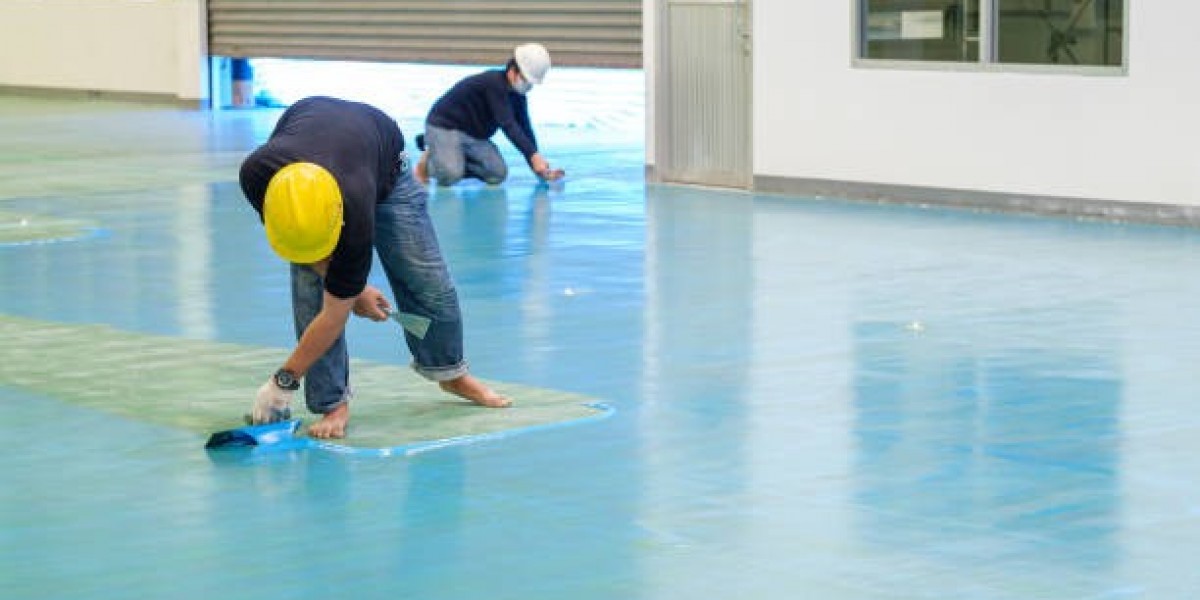

Premium epoxy flooring is one of the most durable, attractive, and long-lasting flooring solutions available today. It’s widely used in homes, garages, warehouses, hospitals, showrooms, and commercial facilities because of its strength, glossy appearance, and resistance to damage. However, before installing premium epoxy flooring, there are several important factors you should understand. Proper knowledge helps you make the right decisions, avoid costly mistakes, and ensure your floor performs beautifully for years.
1. Surface Preparation Is Everything
The success of an epoxy floor depends heavily on the condition of the concrete beneath it. Premium epoxy flooring Epoxy does not simply “sit” on the surface — it bonds with the concrete. If the concrete is dirty, cracked, damp, or weak, the epoxy may peel, bubble, or fail prematurely.
Before installation, the floor must be:
Thoroughly cleaned of dust, oil, grease, and contaminants
Repaired for cracks, holes, or uneven areas
Mechanically ground or shot-blasted for proper adhesion
Skipping or rushing preparation is the main reason epoxy floors fail. Professional installers use specialized equipment to ensure the surface is ready.
2. Moisture Testing Is Critical
Concrete may look dry but still contain hidden moisture. Excess moisture vapor rising from the slab can cause bubbling, blistering, or delamination of the epoxy coating.
Before installation, professionals perform moisture tests to determine if the slab is safe for coating. If moisture levels are high, a moisture barrier or special epoxy primer may be required. Ignoring this step can lead to expensive repairs later.
3. Not All Epoxy Systems Are the Same
“Epoxy flooring” is a broad term, and there are different systems designed for different needs. Choosing the right one matters.
Common types include:
Self-leveling epoxy for smooth, seamless surfaces
Epoxy mortar systems for heavy industrial environments
Flake or quartz systems for slip resistance and decorative finishes
High-build coatings for maximum durability
The best system depends on traffic levels, chemical exposure, safety needs, and visual preferences.
4. Professional Installation Makes a Huge Difference
Epoxy installation is not a simple DIY paint job. It involves precise mixing ratios, strict timing, correct temperatures, and skilled application techniques. Mistakes such as improper mixing or incorrect curing conditions can weaken the floor.
Professional installers:
Use commercial-grade products
Follow correct layer thickness requirements
Apply primers, base coats, and topcoats properly
Ensure consistent finish and performance
A professionally installed premium epoxy floor lasts significantly longer than a low-cost DIY attempt.
5. Curing Time and Downtime
Epoxy flooring does not cure instantly. You must plan for downtime during installation.
Typical curing timeline:
Light foot traffic: 24–48 hours
Heavy items or vehicles: 3–7 days
Full chemical resistance: up to 7 days
Temperature and humidity can affect curing time. Planning ahead ensures the space is not used too early, which can damage the finish.
6. Environmental Conditions Matter
Epoxy installation is sensitive to environmental conditions. Extreme heat, cold, or humidity can affect how the material flows and cures.
Ideal conditions include:
Moderate temperature (usually between 60°F and 85°F)
Low humidity
Proper ventilation
Professional installers monitor these factors to ensure a flawless result.
7. Slip Resistance Can Be Customized
While epoxy floors are known for their glossy shine, high-gloss surfaces can become slippery when wet. The good news is that slip resistance can be added.
Options include:
Anti-slip additives
Decorative flakes or quartz aggregates
Textured topcoats
This is especially important for garages, kitchens, hospitals, and commercial areas.
8. Maintenance Is Easy but Still Necessary
Epoxy floors are low maintenance, but not maintenance-free. Proper care extends their life.
Best practices include:
Regular sweeping to remove debris
Gentle mopping with non-abrasive cleaners
Avoiding harsh acids or metal scrapers
With simple cleaning, epoxy floors can maintain their shine for many years.
9. Cost Reflects Quality
Premium epoxy flooring may cost more than standard coatings, but it delivers superior value. High-quality materials, proper preparation, and expert installation result in:
Longer lifespan
Fewer repairs
Better appearance
Stronger protection against wear, chemicals, and moisture
Choosing the cheapest option often leads to early failure and higher long-term costs.
10. Aesthetic Options Are Extensive
Epoxy floors are not limited to plain gray. You can choose from:
Solid colors
Metallic finishes
Decorative flakes
High-gloss or satin finishes
This allows you to match your flooring to your brand, home design, or workspace style.
Final Thoughts
Installing premium epoxy flooring is an investment in durability, protection, and visual appeal. However, the key to success lies in preparation, proper system selection, professional installation, and understanding the curing process. When done correctly, epoxy flooring provides a seamless, high-shine surface that resists wear, moisture, and chemicals for many years. Taking the time to understand these factors ensures your floor looks great and performs at its best long after installation.