
When travellers today walk into a modern Colombo city hotel, they're stepping into the culmination of over a century of hospitality innovation. The gleaming lobbies, attentive service, and thoughtful amenities we take for granted didn't appear overnight. They're the result of decades of evolution, shaped by changing traveller expectations, technological advances, and shifts in how we think about comfort and luxury itself.
The Grand Hotel Era: Where It All Began
The story of luxury hotels really takes off in the late 19th and early 20th centuries, when grand railway hotels began dotting the landscape of Europe and North America. These weren't just places to sleep—they were destinations unto themselves. The Ritz Paris, which opened in 1898, revolutionized hospitality by introducing private bathrooms in every room, a concept so novel that people initially thought it was excessive. César Ritz understood something fundamental: luxury wasn't just about opulence, it was about comfort and convenience.
These early establishments set standards that still echo today. They featured grand ballrooms, fine dining restaurants, and armies of staff trained in the art of discretion. The hotels themselves were architectural marvels, with soaring ceilings, marble columns, and crystal chandeliers that announced wealth and sophistication to anyone who walked through their doors.
The Mid-Century Shift: Democratizing Comfort
After World War II, something interesting happened. The luxury hotel model began to fragment. While grand establishments like The Savoy in London and The Plaza in New York maintained their elite status, a new breed of hotel emerged—ones that brought elements of luxury to a broader audience. The introduction of the motel in America and the rise of hotel chains like Hilton and Marriott meant that more people could experience quality accommodations, even if they weren't staying in palatial suites.
This democratization changed the industry fundamentally. Hotels had to compete not just on prestige but on consistency and value. The concept of standardized quality emerged, where a traveller could expect roughly the same experience whether they were in Boston or Bangkok. This shift also introduced something we now consider basic: the expectation that even normal rooms in Colombo or Cleveland should have certain amenities like clean linens, reliable hot water, and basic toiletries.
The 1950s and 60s also saw the introduction of the airport hotel, a practical innovation that recognized the changing patterns of travel. As commercial aviation made the world smaller, hotels adapted to serve an increasingly mobile clientele who needed convenience as much as they needed luxury.
The Boutique Revolution: Personality Returns
By the 1980s and 90s, something had been lost in the march toward standardization. Travelers, particularly those in the luxury segment, began craving something more personal. Enter the boutique hotel movement, pioneered by establishments like Morgans Hotel in New York. These properties rejected the cookie-cutter approach in favour of distinctive design, intimate scale, and personalized service.
Boutique hotels brought art, local culture, and genuine personality back into hospitality. Each property told its own story, whether through avant-garde design, locally-sourced cuisine, or partnerships with local artists. This wasn't just about being different for the sake of it—it was about creating memorable experiences that felt authentic and unique.
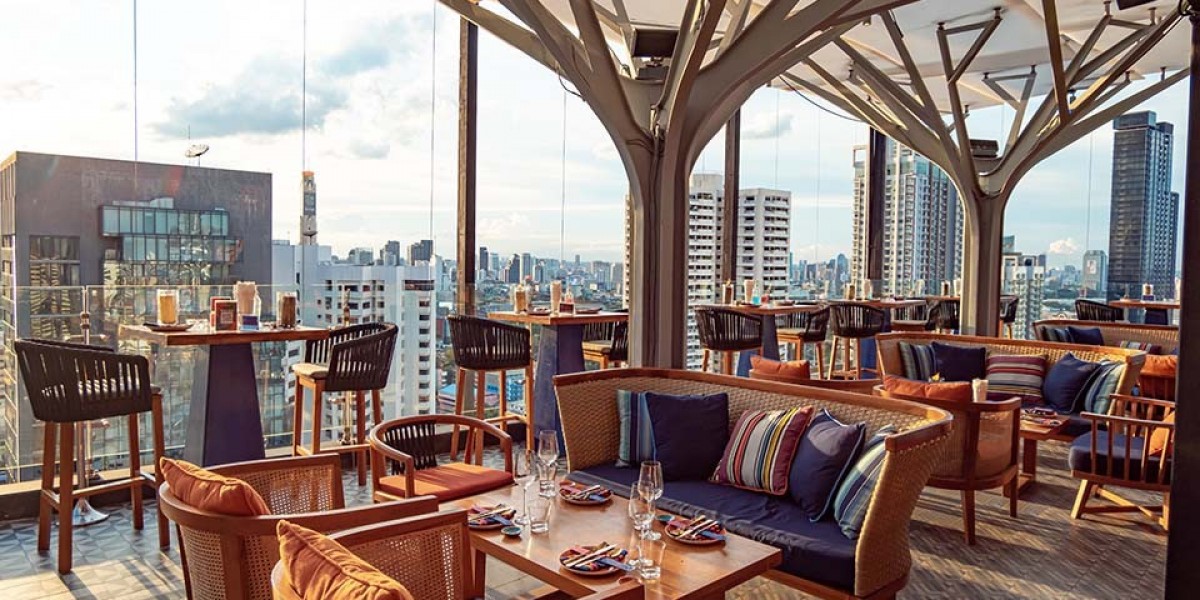
This era also saw hotels becoming more experimental with their offerings. Rooftop restaurants in Colombo and other cities worldwide became signatures of sophistication, offering not just meals but experiences—sunset cocktails with panoramic views, live music under the stars, and social spaces that extended the hotel's appeal beyond its guests to the local community.
The Digital Age: Technology Meets Tradition
The turn of the millennium brought unprecedented technological change to luxury hospitality. High-speed internet went from being a luxury to an expectation. Mobile check-in, keyless entry, and in-room tablets that control everything from lighting to room service transformed the guest experience.
But technology did more than just add convenience—it fundamentally changed how hotels understand and serve their guests. Customer relationship management systems now allow hotels to remember your preferences from visit to visit. Do you like extra pillows? Prefer a room away from the elevator? Always order the same breakfast? Modern luxury hotels know this and act on it without you having to ask twice.
Social media also transformed the industry in unexpected ways. Hotels became acutely aware that every guest was potentially a critic and an influencer. This pushed standards higher but also created new pressures around aesthetics and "Instagram ability." Properties began designing with photography in mind, creating spaces that were as photogenic as they were functional.
The Wellness and Sustainability Wave
In recent years, luxury hotels have had to reckon with two major shifts in consumer values: wellness and environmental consciousness. The modern luxury travellers isn't just looking for thread counts and marble bathrooms—they want fitness centres with state-of-the-art equipment, spa services that go beyond basic massages, healthy dining options, and spaces designed to promote wellbeing.
Sustainability has moved from niche concern to central consideration. Today's luxury hotels are installing solar panels, eliminating single-use plastics, sourcing ingredients locally, and implementing water conservation systems. What's remarkable is that this isn't seen as a compromise on luxury—it's understood as essential to it. A truly luxurious experience, the thinking goes, shouldn't come at the planet's expense.
The Flexibility Factor: New Patterns for New Times
Recent years have also seen the rise of more flexible accommodation models. The traditional overnight stay isn't the only game in town anymore. Properties now offer day-use rooms, recognizing that travellers might need a space to work, freshen up between flights, or simply escape for a few hours. One day rooms in Colombo and other urban centres cater to business travellers with layovers, locals seeking a brief escape, or remote workers needing a change of scenery.
This flexibility extends to longer stays too, with many luxury hotels now offering serviced apartment options and amenities tailored to extended visits. The line between hotel and home has become increasingly blurred, particularly as remote work has made it possible for people to work from anywhere.
Looking Forward: What's Next?
As we stand at this point in hotel history, several trends are emerging. Artificial intelligence is starting to play a role in personalization, with some properties experimenting with AI concierges and predictive service models. Virtual reality might soon allow you to tour your room before you book it. Biometric technology could eliminate the need for keycards entirely.
But perhaps the most interesting evolution is philosophical rather than technological. Luxury hotels are increasingly understanding that true luxury in the modern era isn't just about what you provide—it's about how you make people feel. It's about anticipating needs before they're expressed, creating moments of genuine delight, and offering experiences that feel both effortlessly smooth and deeply personal.
The hotels that will thrive in the coming decades will be those that can balance technological sophistication with human warmth, global standards with local authenticity, and efficiency with genuine care. They will be spaces that understand that luxury isn't static—it evolves with each generation's dreams and desires.
From the grand railway hotels of the Victorian era to today's smart, sustainable, experience-focused properties, luxury hotels have continually reinvented themselves to meet the moment. And if history tells us anything, it's that they will keep evolving, always striving to offer that perfect blend of comfort, service, and magic that turns a simple overnight stay into something memorable.