
If you have ever spent a frantic ten minutes before work tearing apart your closet looking for one matching sneaker, you already know the pain. Shoes have a way of multiplying overnight, scattering themselves across bedroom floors, hallway corners, and the back seat of your car like they have a mind of their own. And the funny thing is, most of us own far more shoes than we would ever admit to. Whether it is a worn-in pair of weekend boots, a pristine set of dress shoes for that one job interview a year, or the flip-flops you keep "just in case" — it all adds up.
For some people, the chaos stays contained within the four walls of their home. For others, especially those dealing with limited closet space, seasonal wardrobes, or a serious shoe collection, the problem spills over entirely. That is when people start searching for a self storage facility near me, hoping to offload some of the overflow somewhere sensible. And honestly, that is not a bad instinct. But before you start boxing things up, it is worth stepping back and thinking about how to organise what you already have — both at home and in storage. A little structure goes a long way, and the right approach can save your shoes from wear, your closet from chaos, and your mornings from unnecessary stress.
So, let's talk about it. Here are four genuinely effective ways to store and organise your shoes, whether your collection lives in a studio apartment or spans an entire garage.
1. Use Vertical Space and Over-the-Door Organisers
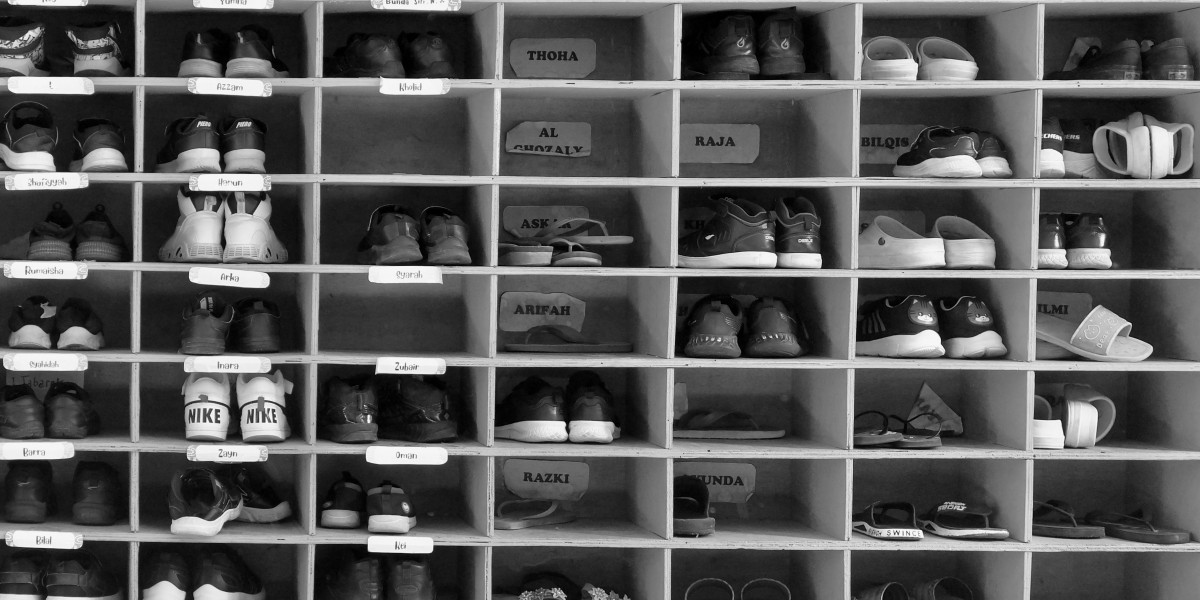
Most people think about shoe storage in terms of floor space — how many pairs can fit along the bottom of the closet, lined up like soldiers. But closet walls and doors are prime real estate that goes completely unused in the majority of homes, and that is a missed opportunity.
Over-the-door shoe organisers are one of the simplest and most affordable solutions out there. They hang right on the back of a closet or bedroom door and typically hold anywhere from 12 to 24 pairs, depending on the size. The pockets are usually clear, which means you can see exactly what's inside without pulling anything out. No digging, no guessing, no "where did I put those again?" moments at seven in the morning.
The key to making this work well is being intentional about what goes in. Over-the-door organisers work best for shoes that are worn regularly — your everyday sneakers, your go-to flats, your favourite ankle boots. Heavier or bulkier shoes like hiking boots or tall winter boots will stretch the pockets over time and throw the whole system off balance. Think of the door organiser as prime real estate reserved for the shoes you reach for most often.
If your door does not have enough room, or if you would rather not commit to something permanently attached to it, freestanding shoe racks with multiple tiers serve a similar purpose. They stand in a corner or along a wall and use vertical space efficiently without taking up much floor area. The trick is finding one that actually fits your shoes — some racks are built for slim flats and completely fail to accommodate chunky sneakers or boots. Measure your average shoe length before buying, and don't be afraid to mix and match heights across the shelves.
2. Invest in Proper Shoe Boxes and Label Everything
There is a reason shoe boxes exist beyond the moment of purchase. A good shoe box is one of the best tools for long-term shoe storage, and most people toss them without a second thought. If you still have yours, hold onto them. If you don't, consider picking up some uniform clear storage boxes — they stack neatly, keep dust off your shoes, and let you see the contents at a glance.
The real game-changer here is labelling. It sounds almost too simple to bother with, but once you start doing it, you won't go back. A small photo of the shoes glued or taped to the front of each box turns a stack of identical containers into an immediately navigable system. No need to open every single box to find the pair you want. You just scan, identify, and grab.
This approach works especially well for shoes you don't wear every day — seasonal pieces, formal shoes, or backups that only come out a few times a year. Storing them in labelled boxes also protects them from dust, moisture, and accidental damage from other shoes piling on top. If you are storing shoes for an extended period, tossing in a small silica gel packet helps absorb any residual moisture and keeps the shoes fresh.
For people who've outgrown their home closet entirely and are looking into renting a small storage unit near me, this method becomes even more important. When your shoes are spread across a storage unit, you need a system that works even when you are not looking at the shoes every single day. Clear, labelled boxes make it easy to find what you need on a quick visit without turning the whole unit upside down.
3. Create Zones Based on Use and Season
One of the most common mistakes people make is treating all shoes the same way. A pair of muddy gardening clogs and a pristine pair of white leather loafers need very different levels of care and very different amounts of visibility in your daily routine. Mixing them together is a recipe for frustration — and for dirty shoes ruining clean ones.
The solution is zoning. Divide your shoe storage into categories based on how often you wear them and what they are used for. Your everyday shoes — the ones you grab without thinking — should be the most accessible. Keep them at eye level or on the most reachable shelf. Seasonal shoes, like heavy winter boots or summer sandals you only pull out a few months a year, can live further back or higher up. And shoes you rarely wear but are not ready to part with can be stored away entirely.
Zoning also works beautifully on a seasonal rotation basis. At the start of each season, swap your shoes out. Pack up the boots and bring out the sandals, or vice versa. It keeps your active storage small and manageable, and it forces you to confront shoes you haven't touched in months — which is also a good time to decide whether you actually need them anymore.
For those with collections that have genuinely outgrown their home, renting storage in Forrestdale or a nearby area can be a practical way to handle the seasonal swap. You keep your current season's shoes at home where they are easy to access, and rotate the rest into a climate-controlled unit where they stay in good condition until it is their turn again.
4. Clean and Condition Before You Store
This last one is not about where you put your shoes — it is about what you do to them before they go into storage, and it makes a bigger difference than most people expect.
Shoes absorb moisture from your feet throughout the day. If you toss them into a closet or a box still damp, that moisture has nowhere to go. Over time, it leads to mildew, odour, and a gradual breakdown of the shoe's structure. A simple habit of letting shoes air out for at least 24 hours before storing them can prevent most of these problems.
For leather shoes especially, a quick wipe-down and a light application of conditioner before long-term storage keeps the material supple and prevents cracking. Cedar shoe trees are another small investment that pays off enormously — they absorb moisture, help shoes hold their shape, and naturally repel moths. They are not expensive, and they work quietly in the background, doing their job without any effort on your part.
If you are putting shoes into a storage unit and want to make sure they come out looking as good as they went in, this step is non-negotiable. It is the difference between shoes that look brand new when you pull them out six months later and shoes that look like they have been neglected. And given that good shoes are not cheap, a little upfront care is one of the smartest investments you can make.
Before committing to a unit, it is also worth comparing storage near me prices to make sure you are getting fair value. Rates can vary quite a bit depending on location, unit size, and whether the facility offers climate control — which matters a lot for shoes made of leather or delicate materials. A quick comparison can save you money and make sure your shoes are stored in conditions that actually protect them.
Putting It All Together
None of these methods need to be used in isolation. The best shoe storage systems are usually a combination of approaches — vertical organisers for everyday shoes, labelled boxes for seasonal and formal pairs, clear zoning to keep things logical, and proper cleaning and conditioning to make sure your shoes last. The goal is not perfection. It is simply having a system that makes sense to you, that you can actually maintain, and that keeps your shoes in good shape without turning every morning into a treasure hunt.
Your shoes carry you through your day. It is not unreasonable to give them a little more care in how you store them. Start with one or two of these methods, see how it feels, and build from there. You might be surprised at how much difference a little organisation can make — not just for your closet, but for your wallet too.