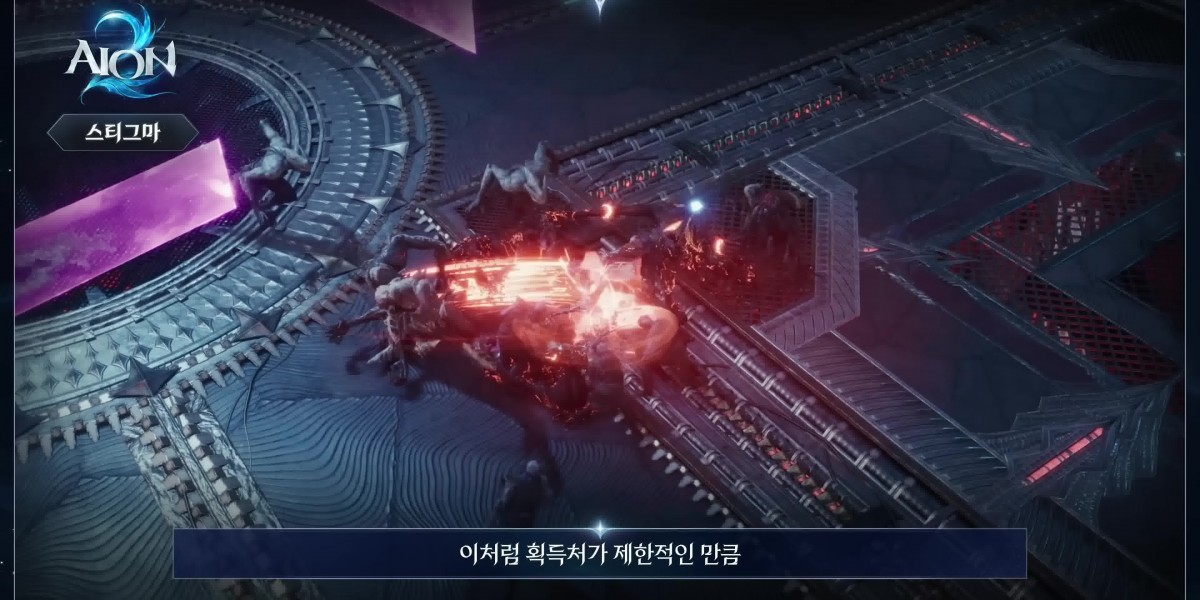

Aion 2 launched with momentum. Season 1 wasn't perfect, but for many players it felt coherent: play the game, learn from mistakes, progress forward. Even when systems were harsh, effort translated into improvement. That sense of direction is what kept guides flowing, communities active, and players logging in with purpose.
Season 2 changed that—and for some long-time players and content creators, it changed too much.
This is not an argument about whether buy Aion 2 Items is “good” or “bad.” It's an explanation of why enthusiasm faded, why logging in stopped feeling exciting, and why some veterans have chosen to step away.
When Logging In Stops Feeling Good
The breaking realization didn't come from Aion 2 itself—it came from another MMO.
After Season 1 ended, some players briefly returned to Final Fantasy XIV. There was no optimization, no pressure, no spreadsheets—just main story quests and logging out whenever it felt right. And something unexpected happened: logging in felt good again.
That contrast made the problem impossible to ignore. In Aion 2, logging in had become stressful. Instead of excitement, players were immediately thinking about what they were behind on, what resets were coming, and what they could afford to do that day.
That's when it became clear: something fundamental had changed.
Season 1 vs. Season 2: Progression Lost Its Meaning
In Season 1, progression followed a clear logic:
Play content → get stronger
Make mistakes → learn → improve
Invest time → see results
Season 2 disrupted that flow. Progress was no longer something earned through play—it became something that had to be managed.
Players weren't choosing what they wanted to do anymore. They were choosing what they were allowed to do:
Which passes were active
Which resets were coming
Which resources needed to be saved
Which upgrades were too risky to attempt
The game shifted from “play the content” to “manage the system.”
Enhancement: From Progression to Gambling
Enhancement costs skyrocketed in Season 2. Each upgrade required more kina than the last, while success rates dropped. Enhancing stopped feeling like progress and started feeling like gambling.
Every decision carried anxiety:
Enhance now or wait?
Farm more kina or risk failure?
Spend Odile Energy or save it?
Play content or hoard resources?
Instead of experimenting and improving, players felt trapped by the fear of making the wrong move.
The Tier 4 Dungeon Wall
The moment many players hit their limit was Season 2's Tier 4 dungeon.
Officially, entry requires 3,000 gear score. In practice, that number is misleading. To actually clear the dungeon, players realistically need 3,300–3,400 gear score.
Getting there as a free-to-play player means:
Repeatedly enhancing Season 1 gear with massive kina losses
Or skipping progression entirely by buying crafted gear from the market
For content creators, the math became unavoidable:
Spend hundreds to thousands of dollars to stay relevant
Or grind outdated content for months just to catch up
At that point, making guides stopped being about skill or knowledge—it became about financial investment.
The True Cost of “Keeping Up”
By Season 2, the monthly cost structure looked like this:
Two subscriptions: $30+
Three battle passes: $60–65
Total before market purchases: ~$100 per month
And that didn't include:
Market purchases to recover failed enhancements
Reset items
Kina bought indirectly through cash-based systems
Progress no longer came from playing better—it came from spending more.
When Cosmetics and Rankings Become Paywalled
Season 1 shop items disappeared permanently. Miss them, and they were gone. Some cosmetic sets, like the Shadow Slayer set, were effectively locked behind top rankings—requiring elite PvP placement that most players could only realistically reach through heavy spending.
Even cosmetics began to feel pay-to-win.
Leaderboards followed the same path. Skill stopped being the deciding factor when players could:
Brute-force Nightmare content
Overgear raids
One-shot players in Trials
Dominate PvP through raw stats
At that point, rankings reflected spending power more than mastery.
Market Reality: The Numbers Don't Lie
A look at the marketplace tells the full story:
High-end Wise Dragon accessories: 90–100 million kina each
Full accessory set: ~500 million kina
High-end gear pieces: 800+ million kina
Full optimized set: 1.2 billion+ kina
Enhancements on top: hundreds of millions more
And this is before considering pets, aerial bonuses, bracelets, and awakenings.
The gap between spenders and non-spenders isn't theoretical—it's visible on every inspection window.
Burnout Isn't Just About Difficulty
The problem wasn't that Aion 2 was hard. It was that effort stopped feeling meaningful.
Playing became exhausting. Logging in felt like obligation. Content creation turned into pressure instead of passion. Teaching players how to play no longer made sense when the real answer was “spend more.”
So the decision was made to stop—not out of anger, but out of honesty.
Not a Goodbye—Just a Step Back
This isn't a permanent farewell. If global versions reduce pay-to-win pressure, rebalance progression, or restore meaningful play-based advancement, many players would gladly return.
But for now, stepping away is healthier than forcing enjoyment that isn't there anymore.
Aion 2 Items still has strong foundations: combat, atmosphere, large-scale PvP, and class identity. Whether it can realign those strengths with fair progression will decide its long-term future—especially in the West.
Until then, some veterans are choosing to move on.