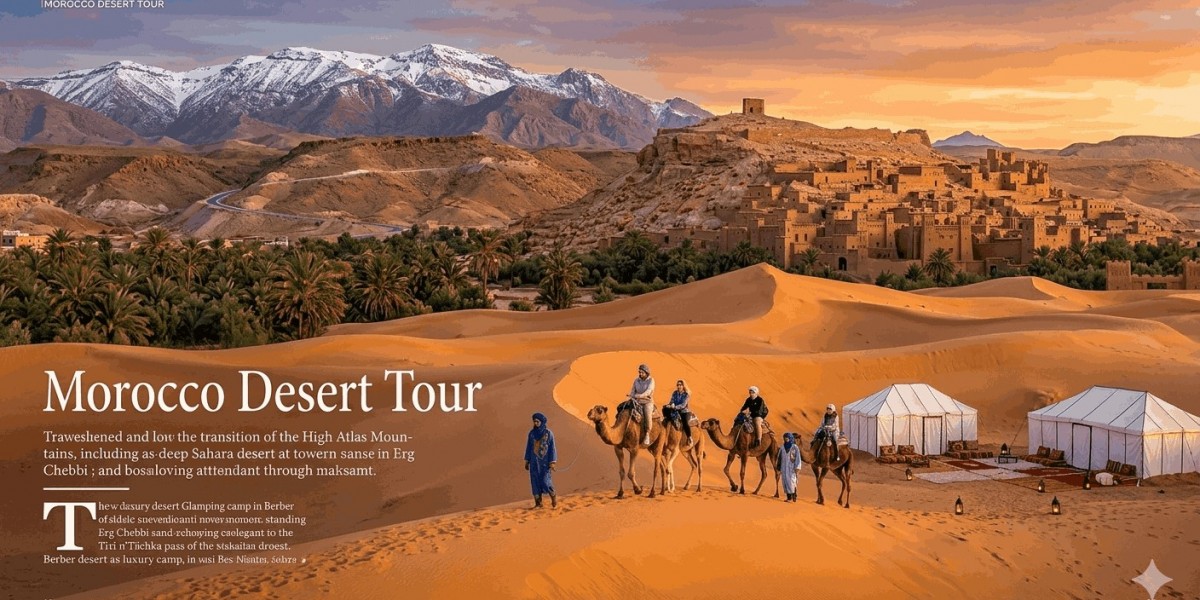

The allure of the Sahara has captivated travelers for centuries, drawing seekers of solitude, adventure, and raw natural beauty to the golden dunes of North Africa. When you consider the vast expanse of the Maghreb, it becomes clear that desert trips Morocco provide a gateway to an ancient world where time slows down and the landscape dictates the rhythm of life. As we move through 2026, the demand for these immersive experiences has reached unprecedented heights, fueled by a global desire for authentic, off-the-beaten-path travel. Planning the perfect journey requires more than just a backpack and a sense of wonder; it demands an understanding of the diverse terrains, the shifting seasonal climates, and the rich cultural tapestry of the Berber people who call this arid wilderness home. From the towering heights of Erg Chebbi to the remote, wild stretches of Erg Chigaga, the Moroccan Sahara offers a spectrum of experiences ranging from rugged nomadic treks to high-end glamping under a canopy of a billion stars.
Understanding the Geography and Best Time to Visit
To truly appreciate the scope of your adventure, one must first grasp the physical reality of the Sahara. According to Wikipedia, the Sahara is the world's largest hot desert, and its presence in Morocco is defined by a dramatic transition from the lush, snow-capped Atlas Mountains to the hyper-arid plains of the south. This geographical diversity is what makes desert trips Morocco so unique; you can witness the change from cedar forests and alpine villages to stony plateaus (hammadas) and finally the iconic orange sand seas (ergs) within a single day of driving.
Timing is the most critical factor in ensuring your trip is comfortable rather than a test of endurance. The year 2026 follows a trend of "shoulder season" popularity, where travelers prioritize the milder months of spring and autumn. Between March and May, the desert floor often sees a brief, miraculous burst of life as ephemeral plants germinate following rare rains. Conversely, the months of September through November offer crisp air and stunningly clear night skies. While winter (December to February) provides pleasant daytime temperatures for trekking, the mercury can plummet below freezing once the sun sets, requiring serious preparation and heavy layers. Summer months should generally be avoided for deep desert excursions, as temperatures frequently soar above 45°C, making outdoor activities nearly impossible during the day.
Selecting Your Gateway: Erg Chebbi vs. Erg Chigaga
When booking desert trips Morocco, the first major decision is choosing between the two primary dune fields. Each offers a distinct atmosphere and requires a different logistical approach.
Erg Chebbi (Merzouga): The Postcard Sahara
Erg Chebbi is the most famous destination for a reason. Located near the village of Merzouga, these dunes are renowned for their incredible height—some reaching up to 150 meters—and their vibrant, ever-changing colors. This region is highly accessible, with paved roads leading almost to the foot of the dunes, making it the ideal choice for families, first-time visitors, or those with limited time. Because of its popularity, the infrastructure here is excellent, featuring a wide array of luxury camps that offer ensuite bathrooms, king-sized beds, and gourmet Moroccan cuisine.
Erg Chigaga (Zagora): The Adventurer’s Choice
For those seeking a more rugged and isolated experience, Erg Chigaga is the ultimate destination. Located far beyond the town of Zagora, reaching these dunes requires a multi-hour journey across the "hammada" in a 4x4 vehicle. This isolation ensures a sense of profound silence and fewer crowds. As noted by travel experts in recent Google News reports, the shift toward "slow travel" in 2026 has seen a surge in interest for Chigaga, where the focus remains on authenticity and deep immersion in the nomadic lifestyle rather than just the visual spectacle of the dunes.
Cultural Etiquette and the Nomadic Connection
A desert trip is as much a cultural journey as it is a physical one. The Saharan regions are primarily inhabited by the Amazigh (Berber) people and the Gnawa communities. Engaging with local guides is not just a matter of safety; it is the key to unlocking the stories of the land. In 2026, sustainable tourism initiatives have placed a greater emphasis on community-led experiences. Visitors are encouraged to visit villages like Khamlia to hear the rhythmic, spiritual music of the Gnawa or to participate in traditional tea ceremonies in a nomad's tent.
The professional travel community, including insights from Forbes, highlights that the Atlas Mountains and the surrounding desert valleys are currently among the top trending destinations for adventure travelers. This is due to the "privacy and access" model of luxury travel, where small, private groups are given exclusive access to local knowledge and remote heritage sites. When interacting with locals, remember that hospitality is a sacred pillar of Saharan culture; accepting a glass of mint tea is more than a polite gesture, it is the beginning of a friendship.
Essential Packing and Preparation for the Arid Wilds
The desert environment is unforgiving to the unprepared. Even in the most luxurious camps, the elements remain a constant factor. Your packing list should prioritize versatility and protection.
The Layering System: Bring moisture-wicking base layers for the heat of the day and a high-quality down jacket or wool fleece for the cold nights.
The "Shesh" (Cotton Scarf): This is the most practical item you can own in the Sahara. It protects your face from wind-blown sand, shades your neck from the sun, and can even serve as a pillow during long drives.
Hydration and Health: While most tours provide bottled water, bringing a reusable filtered bottle is a more sustainable choice. Additionally, eye drops are essential for contact lens wearers, as the dry air and fine dust can cause significant irritation.
Tech and Power: Solar-powered camps are common in 2026, but a high-capacity power bank is still a wise investment to ensure your camera is ready for the spectacular golden hour shots.
Conclusion
Embarking on one of the many desert trips Morocco offers is a transformative experience that stays with a traveler long after the sand has been brushed from their boots. Whether you choose the majestic peaks of Erg Chebbi or the wild solitude of Erg Chigaga, the Sahara promises a connection to nature and culture that is increasingly rare in our modern, fast-paced world. By choosing the right season, respecting the local customs, and preparing for the environmental extremes, you ensure that your journey is not just a vacation, but a milestone of personal discovery. The desert is waiting to tell you its secrets; all you have to do is listen.