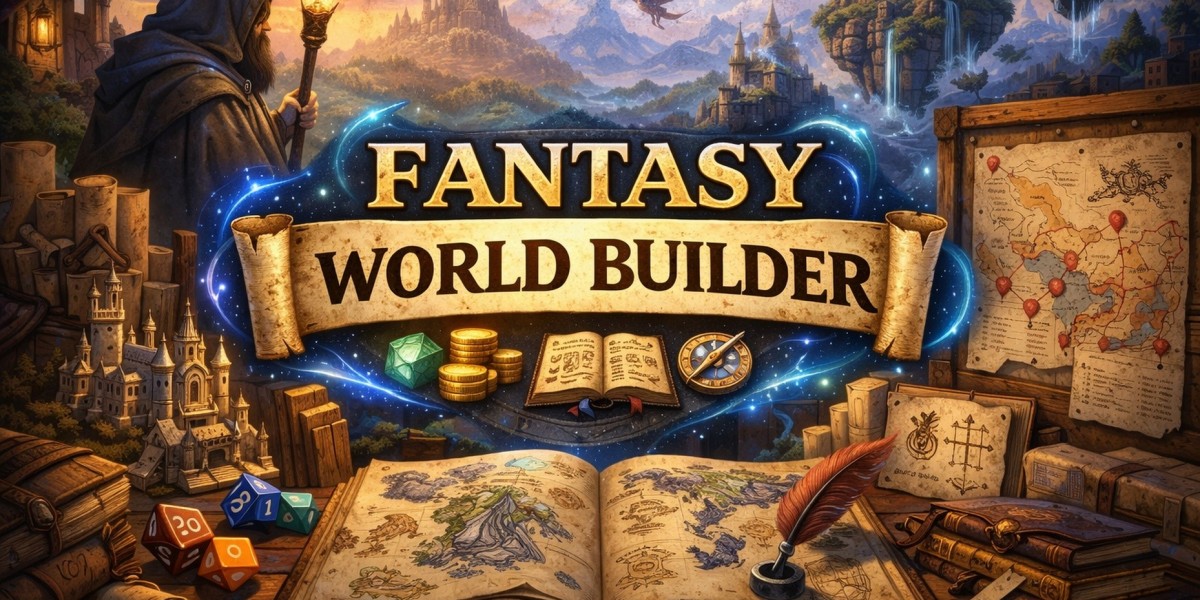

A fantasy world builder is more than just a storyteller — they are an architect of imagination, a creator of entire realities that exist beyond the limits of the ordinary world. From floating kingdoms and enchanted forests to ancient magic systems and complex civilizations, fantasy world building is the foundation of every unforgettable fantasy story.
At its core, world building is the process of designing the environment where your story takes place. But in fantasy, this goes far beyond geography. A truly immersive fantasy world feels alive. It has history, culture, politics, languages, belief systems, and rules that shape how everything functions — even magic itself.
The Heart of a Fantasy World
Every great fantasy setting begins with a central concept. This is the “what makes this world unique” question. Maybe magic is fading, or perhaps dragons rule the skies. Maybe time flows differently, or entire continents float in the air. This defining idea influences everything else — the environment, the societies, and even the conflicts that drive the story.
Once the core idea is clear, the builder expands outward. Geography often comes first. Mountains, oceans, deserts, forests, and climates shape how civilizations develop. A kingdom surrounded by harsh mountains may become isolated and defensive, while a coastal empire might thrive on trade and exploration.
Creating Living Cultures
A believable world is filled with believable people. Cultures need traditions, social structures, religions, and everyday customs. What do people eat? How do they celebrate? What do they fear? What do they value most — honor, power, knowledge, survival?
Language and naming styles also play an important role. Even small details like architecture, clothing, and symbols help create depth. When different regions feel distinct, the world becomes layered and immersive rather than flat and generic.
Magic With Meaning
Magic is often the defining feature of fantasy, but the best magic systems have rules. Unlimited, unexplained power can make a world feel chaotic or inconsistent. A strong magic system answers key questions:
- Who can use magic?
- What does it cost?
- What are its limits?
- How does society react to it?
Some worlds treat magic as rare and feared, while others build entire economies around it. When magic influences daily life, politics, and technology, it becomes an integrated part of the world rather than just a storytelling tool.
History Shapes the Present
No world exists without a past. Ancient wars, fallen empires, forgotten gods, and legendary heroes leave lasting marks. Ruins scattered across the land, old rivalries between nations, and myths passed down through generations create a sense that the world existed long before the story began.
History also creates conflict. Borders shift, alliances break, and unresolved tensions simmer beneath the surface. These tensions often drive the main plot and give characters meaningful struggles to face.
Internal Consistency Matters
A fantasy world can be as strange or surreal as the creator wishes — but it must follow its own logic. If the rules suddenly change without explanation, immersion breaks. Consistency builds trust between the world builder and the audience.
This doesn’t mean explaining everything in detail. Mystery can make a world feel vast and ancient. But the unseen parts should still make sense within the established framework.
The Role of Detail and Restraint
One of the biggest challenges in world building is balance. Too little detail makes the world feel empty. Too much can overwhelm the story. The best worlds reveal information naturally — through exploration, dialogue, and experience rather than long explanations.
A reader or player should feel like they are discovering the world, not studying it.
A World That Breathes
Ultimately, a fantasy world builder creates more than a setting — they create a living environment that reacts, evolves, and feels real. When done well, the world becomes a character of its own, shaping the journey, influencing decisions, and leaving a lasting impression long after the story ends.
That is the true magic of fantasy world building: turning imagination into a place people can visit, explore, and believe in — even if only for a little while.