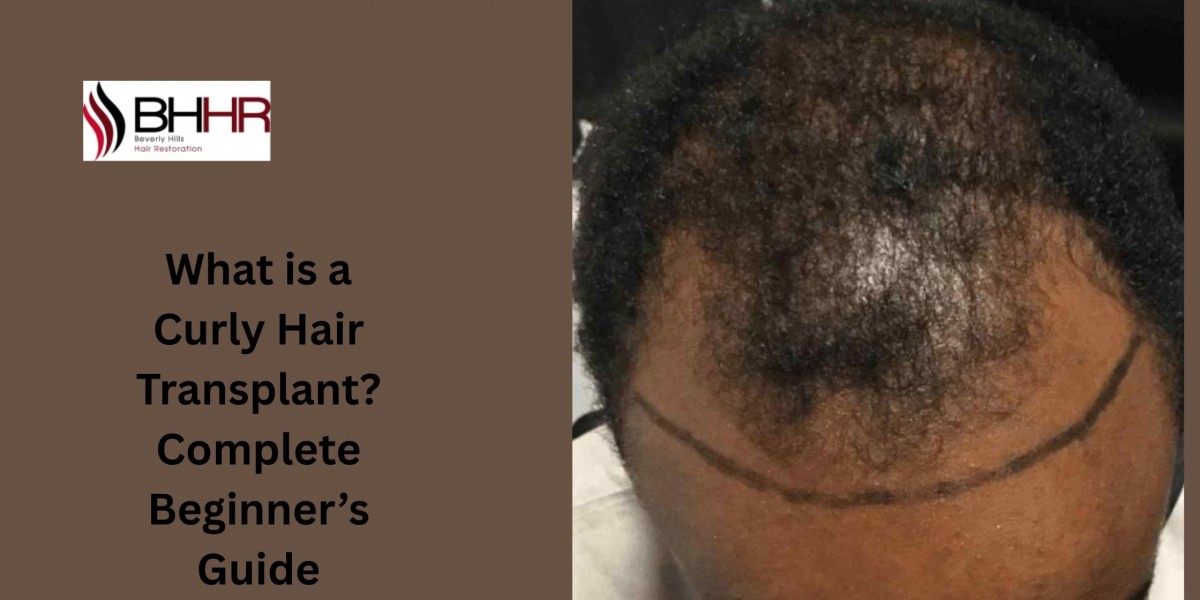

Hair loss can be stressful, especially for people with naturally curly or textured hair. Many individuals worry that restoring hair might change their natural curl pattern or texture. A curly hair transplant is a specialized procedure designed to restore hair while preserving its natural curl structure. Unlike standard hair restoration methods, this approach requires advanced skill because curly hair follicles grow in curved patterns beneath the scalp.
This process is becoming increasingly popular among people with textured hair who want natural-looking density and a defined hairline. Understanding how the process works, who it’s for, and what results to expect can help beginners make confident decisions. This guide will explain everything you need to know about the procedure, recovery, and costs.
How Curly Hair Transplant Works
The procedure involves collecting healthy hair follicles from a donor side, usually the back or sides of the scalp, and implanting them into thinning or bald areas. Because curly follicles have a curved shape under the skin, they require careful handling to avoid damage during extraction.
Surgeons use specialized tools and best techniques to ensure follicles are placed at the correct angle and depth to match the natural curl direction. This precise placement helps the hair grow naturally and blend seamlessly with existing hair.
The process is typically performed under local anesthesia, making it comfortable for patients. Depending on the area of hair loss, the session can take several hours, and patients can usually go home the same day.
Who Is a Good Candidate?
This procedure is suitable for many people experiencing hair thinning or baldness, but not everyone is an ideal candidate. Good candidates generally include individuals with:
- Genetic hair loss or receding hairlines
- Patchy or thinning hair
- Scarring and hair loss due to injury or burns
- A healthy donor area with strong follicles
Candidates should be in good overall and best health and have a realistic hope about results. People with progressive hair loss may require a long-term treatment plan. A professional consultation is essential to evaluate scalp condition, hair density, and suitability for the procedure.
Techniques Used for Textured Hair Restoration
Textured hair restoration requires specialized techniques to protect delicate curly follicles during extraction and implantation. The most common method involves individual follicle extraction, which minimizes scarring and allows precise placement.
Surgeons carefully analyze curl pattern, hair density, and scalp characteristics before designing the hairline. Each follicle is implanted at a specific angle to mimic natural growth. This detailed approach ensures the transplanted hair blends naturally with existing curls.
Advanced tools and magnification are often used to improve accuracy and reduce trauma to the scalp. The goal is to achieve natural density, texture, and movement without altering the natural curl pattern.
Benefits and Expected Results
One of the main advantages of this procedure is achieving permanent and natural-looking hair restoration. Patients can expect:
- Natural curl pattern and texture
- Improved hairline and overall density
- Permanent results with proper care
- Increased confidence and self-esteem
A curly hair transplant can significantly improve appearance and help individuals feel more confident about their hair. Initial growth usually begins within a few months.
Recovery and Aftercare
Recovery is generally smooth, with most patients returning to daily activities within a few days. Mild redness, swelling, or scabbing may occur in the first week.
Aftercare typically includes:
- Avoid touching or scratching the scalp
- Using prescribed medications and gentle shampoos
- Avoiding heavy exercise for one to two weeks
- Protecting the scalp from direct sun exposure
Following aftercare instructions is crucial for healthy hair growth and long-lasting results. Regular follow-up visits help monitor progress and address any concerns during the healing process.
Cost Factors and Expectations
The price of hair restoration varies based on several factors, including:
- Number of grafts needed
- Clinic location and surgeon experience
- Technology and tools used
- Additional treatments or follow-up care
While the procedure can be an investment, many patients find it worthwhile due to permanent and natural results. A personalized consultation provides an accurate cost estimate based on individual needs.
Why Choose BHHR for Curly Hair Restoration
Choosing the right clinic is important for achieving natural results, especially with textured hair. BHHR specializes in advanced textured hair restoration techniques and offers personalized treatment plans tailored to each patient’s hair type and goals. Their experienced specialists understand the unique structure of curly follicles and focus on achieving natural density and hairline design.
Conclusion
Hair restoration for textured hair requires specialized expertise and careful planning to preserve natural curl patterns. A curly hair transplant can be an effective solution for individuals experiencing thinning hair, hair fall, or baldness while maintaining their unique texture. With proper technique, aftercare, and realistic expectations, patients can achieve long-lasting and natural-looking results. Consulting a qualified and best specialist is the first step toward restoring confidence and healthy hair growth.