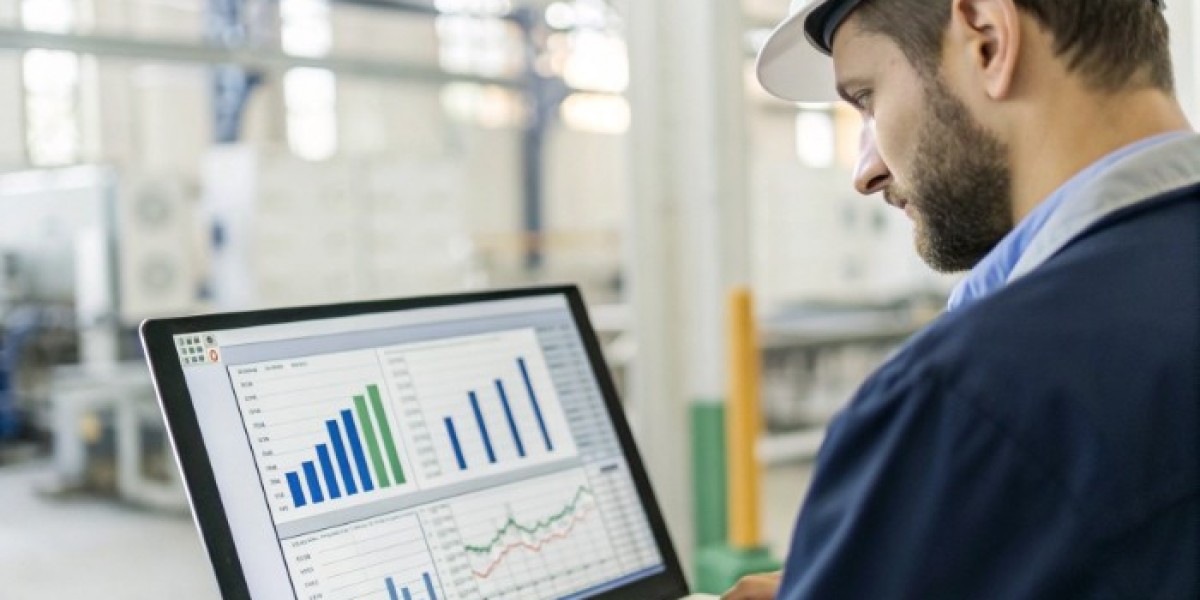

In industries that rely on machines, equipment failure can slow production and cost money. Businesses want tools that help them understand how long their machines can run before they fail. One way to measure this is by using Mean Time Before Failure, or MTBF. Tracking MTBF can help companies plan maintenance, reduce downtime, and save costs. Today, many organizations use software to help them track and improve MTBF. One of the most effective tools for this is the Computerized Maintenance Management System software.
What is Mean Time Before Failure?
MTBFis a measurement that tells how long a machine or part is expected to work before it stops working. It is calculated using the total operating time of a piece of equipment divided by the number of failures it has over a period. For example, if a machine runs 1,000 hours and fails twice, the MTBF is 500 hours.
MTBF is not a guarantee that the machine will last exactly that long. Instead, it is an average based on past performance. It helps maintenance teams predict when equipment is likely to fail and plan service before it happens. This can prevent sudden breakdowns and reduce unplanned downtime.
Why MTBF Matters
Knowing the MTBF of equipment gives companies many advantages:
- Predictable Maintenance: Teams can schedule maintenance before machines fail.
- Reduced Costs: By preventing failures, companies save money on emergency repairs.
- Safety: Equipment is less likely to break in unsafe ways.
- Better Planning: Managers can plan production schedules more effectively.
Without tracking MTBF, businesses often react to failures rather than prevent them. This can lead to lost revenue, unhappy customers, and stressed maintenance teams.
How Companies Traditionally Track MTBF
Before software, companies tracked MTBF manually. Maintenance staff would record every machine failure and total running hours on paper or in spreadsheets. Then, someone would calculate the MTBF using formulas.
While this method works for small operations, it has limitations:
- Human error can lead to inaccurate records.
- Large facilities may have too many machines to track manually.
- Data is not updated in real-time, making predictions slower.
These problems made it hard for businesses to rely on MTBF for maintenance planning. That’s where Computerized Maintenance Management System software comes in.
How Computerized Maintenance Management System Software Tracks MTBF
Computerized Maintenance Management System software stands for Computerized Maintenance Management System. It is a digital tool that helps businesses manage maintenance, track equipment, and plan repairs. One of its most important features is tracking MTBF. Here’s how it works:
Data Collection
The software collects data on every machine, including running hours, downtime, and failure history. Some systems connect directly to sensors on machines, automatically logging usage and performance. Others rely on maintenance teams to input data after inspections or repairs.
Failure Logging
Whenever a machine fails, the CMMS records the event. It captures details like what part failed, when it failed, and how long it took to repair. This creates a clear record for every piece of equipment.
Automatic Calculation
Using the collected data, the CMMS calculates MTBF automatically. It divides the total operational hours by the number of failures, giving maintenance teams an up-to-date average. This saves time compared to manual calculations and reduces errors.
Trend Analysis
Advanced CMMS systems track MTBF over time. They can show trends for each machine, helping teams see if equipment is failing more often or if performance is improving. This information helps make smarter maintenance decisions.
Alerts and Notifications
Many CMMS tools can set thresholds based on MTBF. For example, if a machine is nearing its predicted failure point, the software can alert the maintenance team. This allows repairs to happen before failure, avoiding costly downtime.
Integration with Work Orders
MTBF tracking in CMMS software is often linked to work order management. When the software predicts a possible failure, it can automatically create a maintenance request. This ensures that teams act promptly and nothing is forgotten.
In short, Computerized Maintenance Management System software makes MTBF tracking simple, accurate, and actionable. Instead of guessing when machines will fail, maintenance teams can rely on real data to schedule repairs and replacements.
The Role of Sensors and IoT
Modern CMMS solutions often integrate with sensors and IoT devices. These tools collect real-time data on machine usage, temperature, vibration, and other performance metrics. This real-time information improves MTBF calculations in several ways:
- Precision: Sensors detect small changes that might indicate a future failure.
- Early Warning: Maintenance teams can act before the machine stops working.
- Better Predictions: The system can calculate MTBF based on current operating conditions, not just historical data.
With IoT, MTBF tracking becomes proactive instead of reactive. Teams no longer wait for a machine to fail; they can prevent failures before they happen.
Benefits of Tracking MTBF with Computerized Maintenance Management System Software
Using software to track MTBF has clear advantages for businesses:
- Reduced Downtime: Predicting failures allows maintenance teams to fix problems before they stop production.
- Longer Equipment Life: Regular maintenance based on MTBF helps machines last longer.
- Lower Maintenance Costs: Planned maintenance is cheaper than emergency repairs.
- Improved Safety: Equipment is less likely to fail in ways that could harm workers.
- Better Resource Planning: Teams can allocate parts, tools, and labor more efficiently.
By tracking MTBF with a system, businesses can optimize maintenance schedules and make smarter decisions about repairs and replacements.
How Businesses Use MTBF Data
Once MTBF is tracked, companies can use the information to improve operations:
- Scheduling Preventive Maintenance: MTBF shows when a machine is likely to fail, so teams can service it ahead of time.
- Prioritizing Equipment: Machines with low MTBF may need more attention or replacement.
- Budget Planning: Knowing MTBF helps managers plan repair budgets and inventory for replacement parts.
- Performance Evaluation: Tracking MTBF helps identify which machines perform well and which do not.
This data-driven approach helps organizations move from reactive to proactive maintenance. It also builds confidence in the reliability of their equipment.
Best Practices for Accurate MTBF Tracking
To make MTBF tracking useful, companies should follow these best practices:
- Keep Detailed Records: Log every failure, repair, and running hour.
- Use Consistent Definitions: Clearly define what counts as a failure.
- Update Data Regularly: Make sure the software always has current information.
- Combine with Other Metrics: MTBF works best alongside metrics like Mean Time to Repair (MTTR).
- Train Teams: Maintenance staff should understand the importance of MTBF and how to use the software effectively.
Following these practices ensures that MTBF data is reliable and helps make smarter maintenance decisions.
Where Computerized Maintenance Management System Software Fits in Maintenance Strategy
Computerized Maintenance Management System software is not just a tool for tracking MTBF; it is part of a larger maintenance strategy. Companies that combine MTBF tracking with preventive and predictive maintenance see the most benefits. By using real-time data, alerts, and trends, businesses can:
- Avoid unexpected failures.
- Plan maintenance efficiently.
- Extend the life of equipment.
- Lower costs while increasing safety.
In this way, MTBF is more than just a number. It becomes a key part of a smarter, data-driven maintenance program.
Conclusion
Mean Time Before Failure is a valuable metric that shows how long equipment can be expected to run before breaking down. Tracking MTBF allows companies to plan maintenance, reduce costs, and improve safety. The CMMS system makes this process accurate, fast, and actionable. By collecting data, logging failures, and calculating averages, the software helps maintenance teams predict problems before they happen.
Using tools like Computerized Maintenance Management System software, companies can move from reacting to failures to preventing them. This improves efficiency, saves money, and ensures machines perform reliably. MTBF tracking is a simple concept, but with the right software, it becomes a powerful tool for modern maintenance management.
Protect your business from surprise breakdowns! Use the MicroMain CMMS system to track MTBF, prevent costly downtime, and ensure your equipment keeps performing flawlessly every day.
Frequently Asked Questions
What does the MTBF measure?
MTBF measures the average operational time a machine or component runs before experiencing a failure.
How is MTBF calculated?
MTBF is calculated by dividing the total operating time by the number of failures during that period.
Why is tracking MTBF important for maintenance?
It helps schedule preventive maintenance, reduce downtime, and extend equipment lifespan.
Can the CMMS system improve MTBF tracking?
Yes, it automates data collection, calculates MTBF, and provides actionable insights for maintenance planning.
How often should MTBF be reviewed?
MTBF should be monitored continuously, with trend reviews monthly or quarterly to spot performance changes.