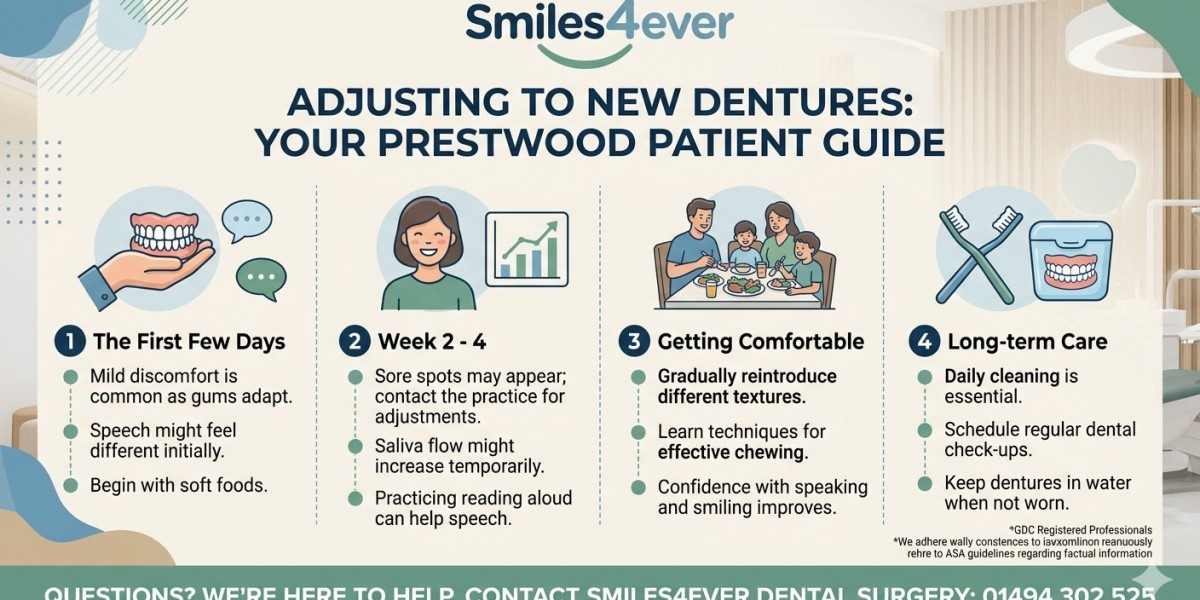

Starting your journey with Dentures can feel like a big change, but with the right guidance and a little patience, most people adapt well. Whether you’re new to dentures or replacing an older set, knowing what to expect can make the process smoother and more reassuring.
The First Few Weeks: Getting Used to Your Dentures
It’s completely normal for dentures to feel unfamiliar at first. Your mouth, muscles, and gums need time to adjust.
You might notice:
- A feeling of bulkiness in your mouth
- Mild soreness or pressure points
- Changes in speech
- Increased saliva
These effects are usually temporary and improve as your mouth adapts.
“We often remind patients that adjusting to dentures is a gradual process. Small changes each day lead to greater comfort over time,” shares a member of the dental team.
Eating with Dentures: Building Confidence
Eating is one of the most common concerns when adjusting to dentures. The key is to take things slowly and build confidence step by step.
Start with:
- Soft foods like soups, mashed vegetables, and yoghurt
- Small, bite-sized portions
- Chewing evenly on both sides
As you progress:
- Gradually introduce firmer foods
- Avoid very hard or sticky items initially
Staying patient with yourself during this stage can make a big difference.
Speaking Clearly Again
You may find that certain words feel tricky to pronounce at first. This is a normal part of the adjustment process.
Helpful tips:
- Practise reading aloud at home
- Repeat words that feel difficult
- Speak slowly and clearly
“A little daily practice can really help patients regain their natural speech patterns,” notes a dental professional.
Looking After Your Dentures
Good denture care helps maintain comfort and supports your oral health.
Daily care routine:
- Remove and rinse dentures after meals
- Brush them gently with a denture-specific cleaner
- Soak them overnight if advised
- Clean your gums, tongue, and any remaining teeth
Regular dental check-ups are also important to ensure your dentures continue to fit well.
When Should You Seek Advice?
Some discomfort is expected early on, but ongoing issues shouldn’t be ignored.
Contact your dental practice if you experience:
- Persistent sore spots
- Difficulty eating after a few weeks
- Loose or slipping dentures
Adjustments can often be made to improve the fit and comfort.
Supporting Your Comfort Long-Term
Adapting to Dentures is a gradual process, but most patients find that their confidence improves with time. Maintaining good oral hygiene, attending routine appointments, and following professional advice all help support long-term comfort.
At Smiles 4 Ever, the team understands that every patient’s experience is different and offers ongoing support to help you feel at ease with your dentures.
Thinking About Dentures?
If you’re considering dentures or have questions about adjusting to a new set, booking a consultation can help you understand your options and feel more confident about your next steps.
Taking that first step could make everyday activities like eating, speaking, and smiling feel more comfortable again.