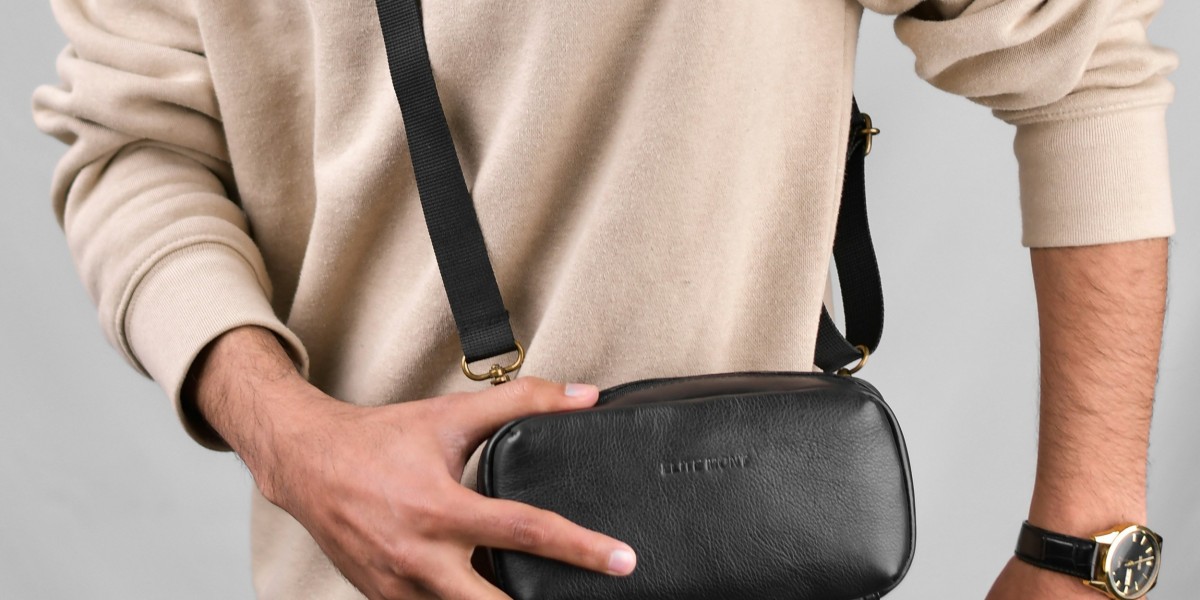

When you are out shopping for a bag — whether you are browsing a market stall in Colombo or scrolling through an online store at midnight — you will likely notice that crossbody bags and waist bags dominate the casual accessories space. They sit side by side on display racks, often made from the same materials, sometimes even by the same brands. And yet, they serve distinctly different purposes, suit different lifestyles, and carry entirely different energies. Knowing which one is right for you is not just a matter of fashion — it is about practicality, comfort, and understanding what you actually need when you step out the door. The crossbody bag price in Sri Lanka has also been rising steadily with demand, which makes it even more important to choose wisely before you invest.
What Is a Crossbody Bag?
A crossbody bag is worn diagonally across the torso — over one shoulder and across the chest or back. The strap is long enough to let the bag rest somewhere between your hip and your lower back, depending on how you adjust it. This design frees up both hands while keeping your essentials close, which is one of the main reasons it has remained a staple in casual and travel wardrobes for decades.
The appeal of the crossbody is largely in its versatility. It can be dressed up or down. A sleek leather crossbody bag pairs effortlessly with a blazer and trousers for a city walk. A canvas one works just as well with shorts and a t-shirt at a weekend market. The range of styles — from zip-top to flap-closure, from mini to medium — means there is genuinely something for everyone.
Size-wise, crossbody bags tend to offer more room than waist bags. Most can comfortably hold a phone, wallet, keys, earphones, a small notebook, and sometimes even a slim water bottle or sunglasses case. For those who carry more than the bare minimum, this matters. The added capacity does not mean the bag becomes bulky either — a well-designed crossbody sits flat against your body and distributes weight evenly across the strap.
There is also a security angle worth considering. Because the bag rests against your front or side, it remains within your line of sight in crowded places. This makes crossbody bags a favourite among travellers navigating busy streets or packed public transport. You are less likely to be pickpocketed when you can feel and see your bag without craning your neck.
What Is a Waist Bag?
A waist bag — also widely known as a fanny pack — wraps around your waist or hips, fastened with a clip at the front. Originally designed as a hands-free solution for outdoor activities like hiking and cycling, the waist bag has undergone a significant style evolution over the past decade. What was once considered purely functional (and, frankly, a bit unfashionable) is now a streetwear staple and a legitimate fashion statement.
If you have been looking for a fanny pack in Sri Lanka, you will know that the options have grown considerably in recent years. Local retailers and online platforms now stock everything from basic nylon styles to premium leather waist bags with multiple compartments and refined hardware.
The defining characteristic of the waist bag is its compact, body-hugging design. It sits close, moves with you, and keeps the absolute essentials — your phone, cards, and keys — within easy reach. For activities where a crossbody strap might shift around or get in the way, a waist bag stays put. This makes it the preferred choice for outdoor enthusiasts, festival-goers, and anyone who spends long hours on their feet.
A waist bag can also be worn in different ways. Most people wear it on the front of the waist, which maximises access and visibility. Others prefer it on the side or the back, though the latter reduces both convenience and security. Some wear it across the chest in a style that closely resembles how a crossbody sits — this hybrid approach has become particularly popular in urban fashion circles.
How They Actually Differ in Everyday Use
Understanding the difference on paper is one thing. Feeling the difference in your daily life is another.
A crossbody bag gives you more room to breathe, both literally and figuratively. You can carry more, organise more, and access things without the bag pressing against your body. In a warm climate — which Sri Lanka most certainly is — this matters. Having a bag that presses tightly against your waist all day can feel uncomfortable, especially during humid months. A crossbody hangs away from your body slightly, allowing more airflow.
That said, the waist bag wins on minimalism. If you are someone who has made a deliberate effort to carry less, the waist bag enforces that discipline beautifully. It physically won't allow you to overpack, which means lighter movement and less strain on your shoulders and back. For people who have dealt with shoulder or neck pain, switching from a shoulder or crossbody bag to a waist bag has genuinely made a difference.
For men specifically, the shift toward waist bags has been notable. Men's side bags in Sri Lanka have seen growing popularity, with many buyers viewing the waist bag as a natural, hands-free alternative to carrying a conventional wallet or shoulder bag. The stigma that once surrounded men wearing bags has largely dissolved — today, a waist bag on a man reads as practical, stylish, and deliberate.
The question of what you are doing also matters a great deal. Crossbody bags are generally better suited to everyday errands, travel, work commutes, and casual social outings. Waist bags shine during physical activity, outdoor adventures, and events where you want to stay light on your feet. Many people, of course, own both — using each depending on the occasion.
Materials, Styles, and What to Look For
Both bag types come in a wide range of materials, and the material you choose will affect the bag's durability, weight, and overall look.
Nylon and polyester are the most common choices for everyday and sporty styles. They are lightweight, water-resistant, and easy to clean — practical for a country where an unexpected downpour is never far off. Leather options, both genuine and vegan, offer a more elevated look and tend to age beautifully, developing a patina over time that adds character. Canvas falls somewhere in the middle: durable, casual, and often more affordable.
When evaluating a crossbody bag, pay attention to the strap. A padded, adjustable strap makes a significant difference in long-term comfort. Look for metal hardware over plastic — it lasts longer and feels more substantial. Multiple internal compartments are a plus for anyone who likes to stay organised.
For waist bags, the clip closure is worth examining carefully. A weak clip that pops open mid-activity is more than just an inconvenience. Quality buckles — the kind that require a deliberate double-press to release — are worth the slight premium. Also consider the zipper quality; smooth, full-length zippers that run the full width of the bag allow far easier access than smaller, awkwardly positioned ones.
Price Considerations in Sri Lanka
The waist bag price in Sri Lanka varies quite a bit depending on brand, material, and where you buy it. Entry-level nylon styles can be found for a few hundred rupees at local markets, while mid-range options from established local or international brands sit in the one-to-three thousand rupee range. Premium leather or designer-label waist bags go well beyond that.
Crossbody bags tend to have a broader price range overall, given the wider variety of sizes and styles available. A basic canvas crossbody might cost under a thousand rupees, while a well-constructed leather option from a reputable brand could run five thousand rupees or more. Imported brands, particularly those gaining traction through online platforms and lifestyle stores in Colombo and Kandy, tend to command higher prices — often reflecting better materials and craftsmanship.
Neither bag type is inherently more expensive than the other — it really comes down to the quality tier you are shopping in and where you choose to buy.
Which One Should You Choose?
If you are the kind of person who needs to carry a decent amount of everyday items, values a hands-free experience without anything pressing against your body, and wants a bag that transitions easily between different settings — the crossbody bag is likely your best match.
If you prefer travelling light, enjoy outdoor activities, want something that stays firmly in place regardless of how much you move, and are drawn to a cleaner, more minimalist silhouette — the waist bag deserves serious consideration.
Of course, the most practical answer might simply be that both have a place in your rotation. The crossbody for days that demand more, the waist bag for days that demand less. Fashion and function rarely have to be mutually exclusive — and in this case, they happily coexist.