
When my sister moved into her first apartment last year, I spent hours searching for the best housewarming gifts that would actually make a difference in her daily life. I wanted something practical, beautiful, and responsible. That is when I discovered that not all dinnerware is created equal, especially when it comes to environmental impact. While most people know that plastic dishes are problematic, fewer understand that porcelain dinnerware stands apart from standard ceramic options as a genuinely sustainable choice.
The conversation around sustainable living often focuses on the obvious culprits like single-use plastics and disposable containers. But what about the plates, bowls, and cups we use every single day? The dinnerware sitting in your kitchen cabinets has a bigger environmental footprint than you might think, and making the right choice can reduce waste, save resources, and even improve your quality of life.
The Longevity Factor: Built to Last Generations
Walk into any antique shop and you will find porcelain pieces that have survived a century or more, still perfectly functional and often stunningly beautiful. This is not luck or careful storage. Porcelain's molecular structure makes it exceptionally durable in ways that standard ceramic and plastic simply cannot match.
The secret lies in how porcelain is made. Fired at temperatures exceeding 1,300 degrees Celsius, porcelain undergoes a transformation called vitrification. During this process, the materials essentially fuse into a glass-like state, creating a surface that resists chips, cracks, and scratches far better than regular ceramic dinnerware. While a typical ceramic plate might develop hairline cracks after a few years of daily use, quality porcelain maintains its integrity decade after decade.
Plastic dinnerware, meanwhile, starts degrading almost immediately. UV light exposure causes discoloration and brittleness. Normal dishwasher cycles gradually warp the material. Within a few years, most plastic dishes look worn and need replacement. Even "durable" plastic options rarely make it past the five-year mark in regular household use. Every time we replace these items, we are adding to landfills and demanding new manufacturing resources.
Consider the mathematics of replacement. If a family replaces plastic dinnerware every three years over a thirty-year period, that is ten complete sets headed to the landfill. A single porcelain set purchased once can serve that same family for those three decades and then get passed down to the next generation. The environmental savings multiply with each year of continued use.
Chemical Safety and Food Purity
Your dinnerware does more than just hold food. It interacts with everything you eat and drink, especially when exposed to heat, acids, and oils. This is where porcelain's non-porous nature becomes a significant health and environmental advantage.
Plastic containers and dishes leach chemicals into food, particularly when heated. Compounds like BPA, phthalates, and microplastics migrate from the plastic into your meals, and these substances accumulate in our bodies and ecosystems. Even BPA-free plastics often contain alternative chemicals that haven't been thoroughly tested for long-term safety. Every time plastic dinnerware is washed, tiny plastic particles wash down drains and eventually reach waterways, contributing to the global microplastic pollution crisis.
Standard ceramic dinnerware can have its own issues. Lower-quality ceramics sometimes contain lead or cadmium in their glazes, particularly in decorative pieces or items manufactured without strict safety standards. While many modern ceramics are safe, the variability in production standards means consumers need to be vigilant.
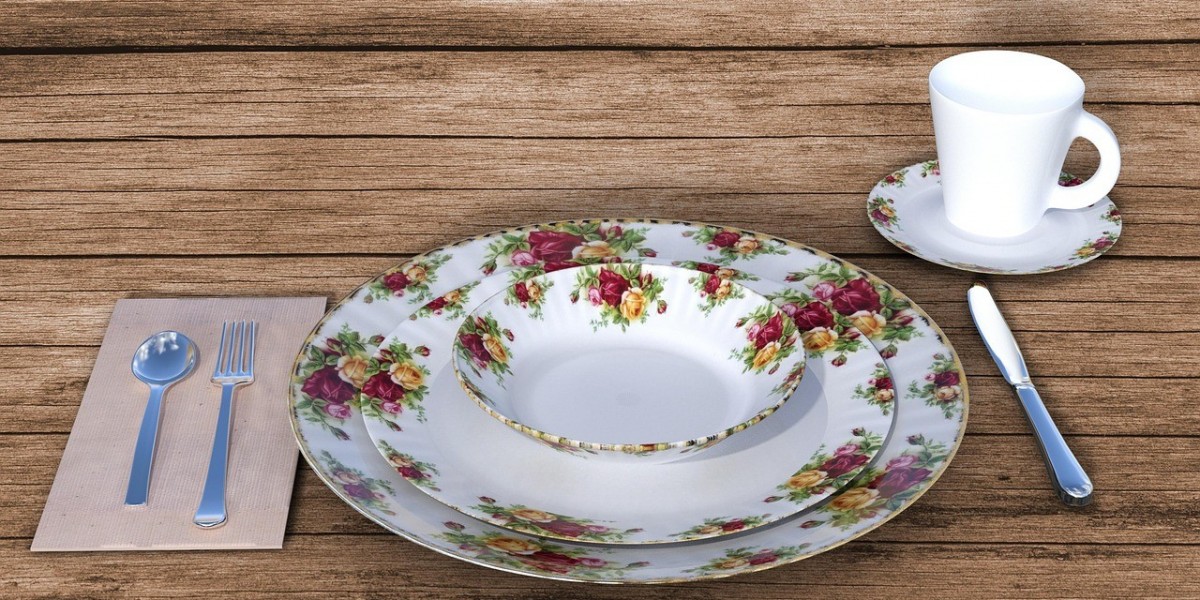
Porcelain, particularly high-quality options like royal porcelain, offers purity that neither plastic nor standard ceramic can guarantee. The high firing temperature creates a completely non-porous surface that does not absorb food particles, odours, or stains. Nothing leaches from properly made porcelain into your food because the material is essentially inert. This means healthier meals for your family and no toxic chemicals washing into the water system when you clean your dishes.
The environmental implications extend beyond personal health. When we choose materials that do not shed harmful particles or leach chemicals, we are protecting water systems, soil quality, and wildlife. Every meal served on porcelain instead of plastic is a small choice that prevents microplastic pollution and chemical contamination.
Energy and Resource Efficiency Over Time
The sustainability conversation often focuses on production energy, and it is true that firing porcelain at extremely high temperatures requires significant energy initially. However, this narrow view misses the bigger picture of total lifecycle energy consumption.
Manufacturing plastic dinnerware requires petroleum extraction, refinement, and processing. The production process releases greenhouse gases and depends on finite fossil fuel resources. Then, because plastic dishes need frequent replacement, this entire energy-intensive process repeats every few years. Over a typical household's lifetime, the cumulative energy cost of repeatedly manufacturing and transporting replacement plastic dinnerware exceeds the one-time energy investment of producing porcelain.
Standard ceramic production uses lower firing temperatures than porcelain, which sounds more efficient at first glance. However, the lower firing temperature creates a more porous, less durable product that needs replacement more frequently than porcelain. When you factor in the energy costs of manufacturing multiple replacement sets, standard ceramic's initial energy advantage disappears.
Porcelain's remarkable durability means the energy invested in its creation is amortised over decades of use. If a porcelain dinner set serves a family for forty years, the energy cost per year of use becomes remarkably small. No additional raw materials need extraction, no new manufacturing energy is required, and no transportation fuel is spent bringing replacement products to market.
Waste Reduction and End-of-Life Considerations
Plastic's end-of-life story is dismal. Most plastic dinnerware is not accepted by recycling programs due to contamination from food residue and the mixed plastic types used in production. These items sit in landfills for centuries, slowly breaking down into microplastics that contaminate soil and water. Incineration releases toxic compounds into the atmosphere. There is simply no good option for disposing of plastic dinnerware.
Standard ceramic can be broken and used as aggregate in construction materials, but this rarely happens with household dinnerware. Most broken ceramic dishes end up in landfills where they take up space indefinitely. While they are inert and won't leach chemicals like plastic, they still represent wasted resources and manufacturing energy.
Porcelain's longevity means most pieces never reach end-of-life during an owner's lifetime. Quality porcelain gets passed down, sold as vintage items, or donated for continued use. When porcelain does eventually break, the material is completely inert and can be crushed for use in road construction or new ceramic production. Some artists even incorporate broken porcelain pieces into mosaic work or garden designs.
The reduced waste extends to packaging as well. Because porcelain is purchased once rather than repeatedly, it requires packaging and shipping only one time. Plastic dinnerware's frequent replacement cycle means multiple rounds of cardboard boxes, plastic wrap, and transportation emissions for the same household function.
Aesthetic Value and Cultural Sustainability
Sustainability is not just about environmental metrics. It also encompasses cultural practices, craftsmanship traditions, and the human relationship with objects. Porcelain excels in this dimension in ways that profoundly affect consumption patterns.
Beautiful objects that we genuinely love do not get discarded on a whim. When you invest in quality porcelain, whether it is an elegant set for daily use or the best ceramic tea cups and saucers set of 6 for special occasions, you develop a relationship with these objects. They become part of family traditions and memories. This emotional connection creates sustainability by preventing the throwaway mentality that drives overconsumption.
The craftsmanship involved in quality porcelain production preserves traditional skills and artisan knowledge. Many porcelain manufacturers maintain centuries-old techniques alongside modern production methods. Supporting these industries helps sustain cultural heritage and skilled employment. When businesses choose a corporate gift set made from quality porcelain rather than disposable alternatives, they are making a statement about values that extends beyond the individual items.
Plastic dinnerware, designed for convenience and low cost, rarely inspires this kind of connection. It is utilitarian and forgettable, which paradoxically makes it less sustainable. We replace things we do not value without much thought. Porcelain's beauty and heft make us more mindful consumers, and mindfulness is perhaps the most important element of truly sustainable living.
Making the Sustainable Choice
Switching to porcelain dinnerware requires an initial investment that is larger than buying plastic or standard ceramic alternatives. This upfront cost deters some people, but it is helpful to think about the lifetime cost rather than just the purchase price. When you calculate how many times you'd replace cheaper options over the years, porcelain often becomes the more economical choice even before considering environmental benefits.
The sustainability advantages of porcelain dinnerware are not just theoretical or marginal. They represent meaningful reductions in resource consumption, chemical pollution, and waste generation. Every household that chooses durable porcelain over disposable alternatives prevents significant environmental harm across decades of daily use.
Our choices about seemingly mundane items like dinner plates ripple outward in ways we do not always recognise immediately. The dinnerware stacked in your cabinets reflects values about quality, longevity, health, and environmental responsibility. Choosing porcelain means choosing a material that has served humanity beautifully for over a thousand years and can continue doing so sustainably for centuries to come.
The next time you need dinnerware, whether for your own kitchen or as a thoughtful gift, consider the full story of the materials involved. Porcelain offers a rare combination of beauty, functionality, and genuine sustainability that our planet desperately needs more of in every aspect of daily life.