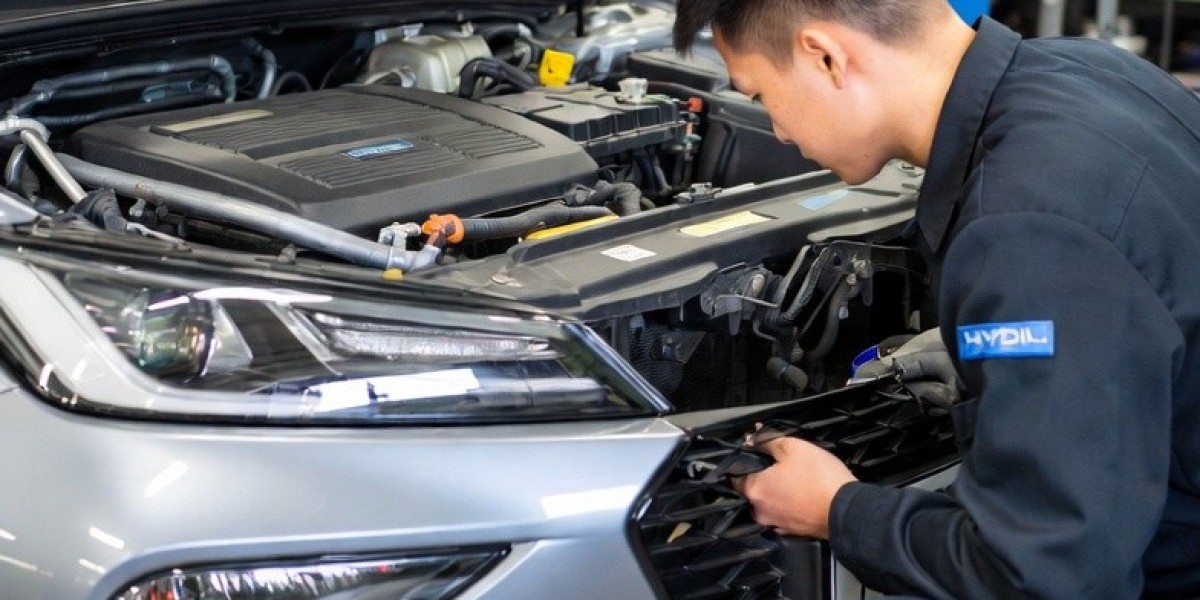

Modern hybrid vehicles are no longer mechanical machines with electrical add-ons. They are data-driven systems where every decision depends on sensor accuracy, signal timing, and control logic. This is why effective hybrid car service must begin with data integrity, not visual inspection. When data is flawed, even perfectly healthy components appear faulty. At the center of professional diagnostics lies hybrid car service performance optimization, a discipline that ensures decisions are based on truth rather than assumption.
At Hybridev Engineering, we consistently observe that premature part replacement is rarely caused by negligence. It is caused by skipping the most critical step: validating the data that tells the system how to behave.
The Fundamental Problem with Parts-First Thinking
Traditional service models were built for mechanical vehicles. In hybrids, that mindset creates expensive mistakes. A technician can replace components endlessly and still fail to solve the issue if the underlying data remains corrupted or misinterpreted.
The hybrid car service process must acknowledge that ECUs rely entirely on inputs. Voltage sensors, current sensors, temperature readings, and communication signals define how the system reacts. If any of these inputs are distorted, the vehicle will protect itself—often by limiting performance or triggering warnings that mimic hardware failure.
Hybridev Engineering treats parts inspection as a later step, never the first.
Why Data Integrity Defines System Behavior
Every hybrid control decision starts with numbers. Those numbers come from sensors and networks. When data integrity is compromised, the system does exactly what it was programmed to do: reduce risk.
This is why hybrid car service outcomes improve dramatically when diagnostics begin with signal validation. Verifying accuracy, consistency, and correlation across data streams reveals whether a fault is real or perceived.
Without this step, service decisions become reactive, increasing downtime and long-term costs.
How Skipping Data Checks Inflates Service Costs
Replacing components based on incomplete diagnostics does not restore confidence. It introduces uncertainty. Many repeat service visits stem from unresolved data issues that were never identified.
At Hybridev Engineering, we see vehicles arrive after multiple repairs with the same complaint. In most cases, the original fault was a sensor drift, calibration mismatch, or communication delay. Correcting the data restores stability immediately.
This is why hybrid car service focused on data integrity is both faster and more economical.
Learning from Electric Mobility Systems
The same principle applies in smaller electric platforms. Customers searching for EV bike battery near me often experience sudden power loss, reduced range, or inconsistent charging. These symptoms are frequently traced back to signal errors rather than battery failure.
In the middle of comparative diagnostics, one recurring lesson stands out: EV bike battery power issue diagnosis almost always begins with data verification, not cell replacement. The parallel between e-mobility and hybrid systems reinforces a universal engineering rule—trust data only after you validate it.
Hybridev Engineering applies this cross-platform insight to elevate hybrid diagnostics beyond conventional service thinking.
Data-First Diagnostics Enable True Performance Optimization
When data integrity is confirmed, engineers can move confidently into hybrid car service performance optimization. This includes refining control logic, restoring accurate load calculations, and ensuring energy flows exactly as designed.
Performance optimization is impossible when inputs are unreliable. Clean data allows the system to operate at peak efficiency without triggering unnecessary safeguards.
This is where professional service separates itself from routine maintenance.
Why This Approach Builds Long-Term Trust
Vehicle owners do not measure service quality by how many parts were replaced. They measure it by results. When issues are resolved correctly the first time, trust follows naturally.
A hybrid car service model built on data integrity delivers consistent outcomes. It reduces repeat visits, prevents unnecessary expenses, and extends component life. At Hybridev Engineering, this philosophy has become the foundation of our diagnostic identity.
The same trust dynamic exists for customers seeking EV bike battery near me solutions. Accurate diagnosis creates confidence, regardless of platform size.
What Professional Hybrid Service Should Look Like Today
A modern hybrid car service workflow should include:
Sensor signal validation under real-world load
Cross-checking ECU interpretations for consistency
Identifying false fault triggers before replacing hardware
Optimizing system behavior only after data accuracy is confirmed
This process is not slower. It is smarter. It replaces guesswork with certainty.
Final Insight from Hybridev Engineering
Hybrid vehicles are intelligent systems. Servicing them requires intelligent diagnostics. Beginning with parts inspection ignores how these systems actually think.
When hybrid car service starts with data integrity, performance improves, costs stabilize, and reliability returns. This approach is not optional for modern hybrids—it is essential.
For authoritative hybrid diagnostics, data-driven service strategies, and engineering-level insights, visit Hybridev Engineering.