2 ré - Traduire

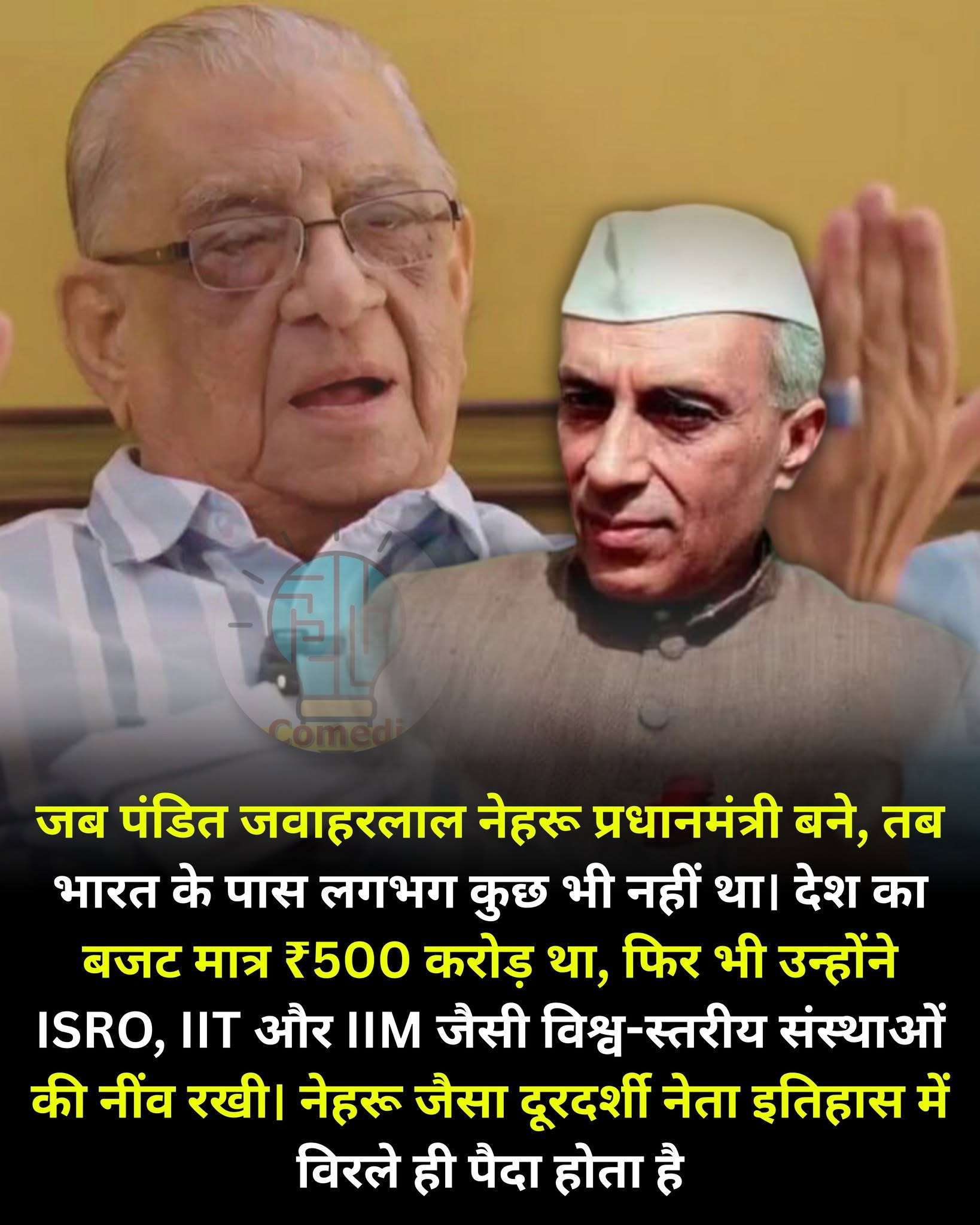
India's early years after independence were filled with enormous challenges, including limited resources, poverty, infrastructure gaps and the task of building strong national institutions. As the country's first Prime Minister, Jawaharlal Nehru played an important role in shaping India's approach to education, science, technology and industrial development.During his tenure, several important educational and scientific institutions were established or strengthened. These included the development of the Indian Institutes of Technology (IITs), the establishment of the Indian Institutes of Management (IIMs) in the early 1960s, and the creation of the foundations for India's space research programme, which eventually led to the formation of ISRO in 1969.Nehru believed that scientific research, higher education and technological progress were essential for India's long-term development. His government's focus on building institutions helped create an important foundation for future generations of scientists, engineers, researchers and professionals.India's progress in science, education and technology has been the result of contributions from many governments, scientists, educators and institutions over several decades. However, the early emphasis on developing national capabilities remains an important chapter in the country's history.
----------
Disclaimer: This post is written in original wording for general historical and educational purposes. Historical references are based on publicly documented information. The claim regarding India's budget being exactly ₹500 crore has not been independently verified and should not be treated as an established figure. This post does not endorse or criticize any political party or leader and aims to encourage informed discussion about India's development.
image
2 ré - Traduire

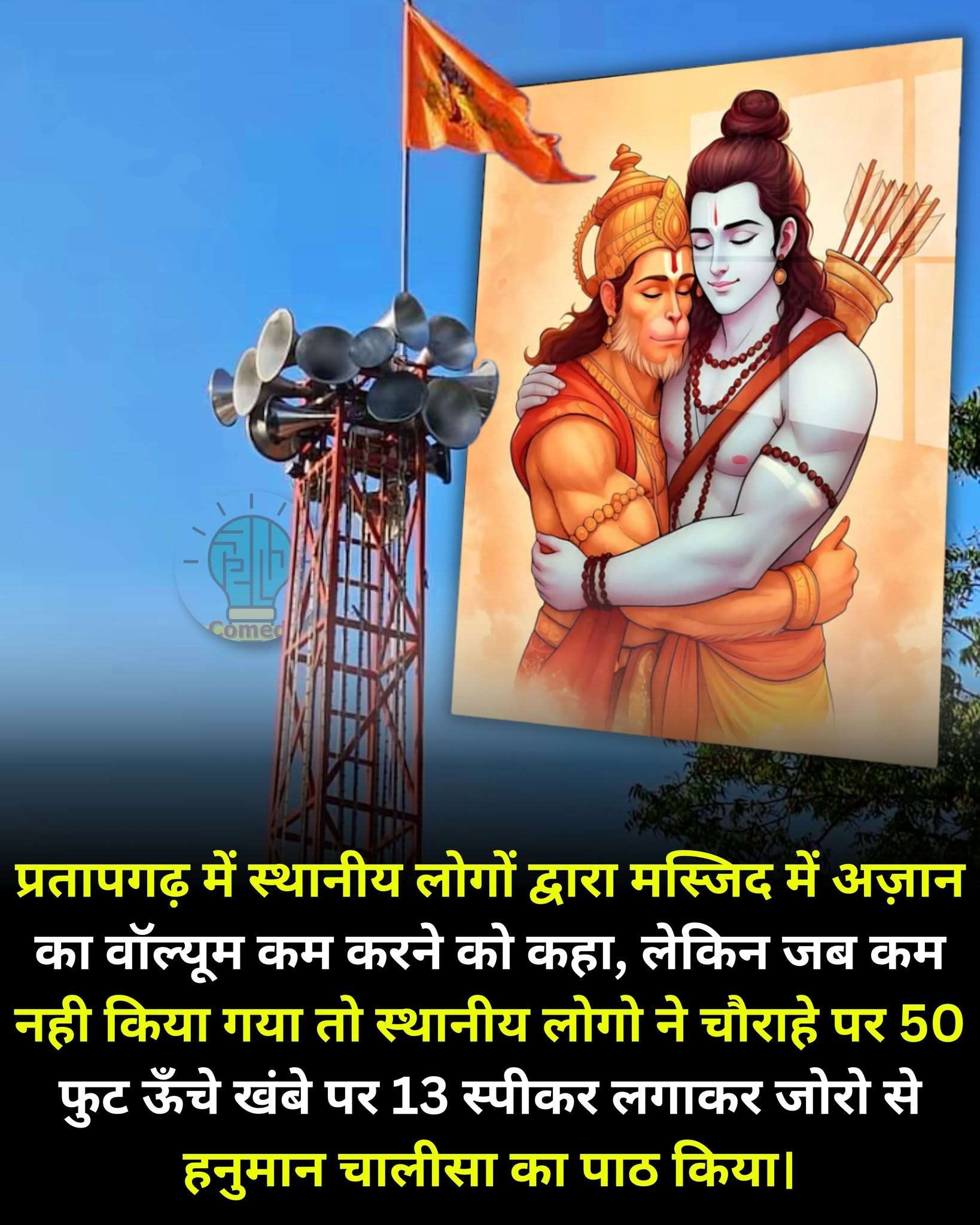
A reported incident from Pratapgarh, Uttar Pradesh, has brought attention to a local discussion surrounding the use of loudspeakers at religious places. According to claims circulating online, some local residents requested that the volume of the mosque's Azaan be reduced. Following the disagreement, a group reportedly installed 13 loudspeakers on a 50-foot-high pole at a nearby intersection and played the Hanuman Chalisa.The incident has sparked discussion about religious practices, public convenience and the use of loudspeakers in residential areas. Such matters require sensitivity, mutual understanding and respect for the beliefs of all communities.Religious freedom is an important part of society, but the use of loudspeakers at public and religious places must also follow applicable noise regulations. Authorities have an important role in ensuring that rules are applied fairly and consistently to everyone.A peaceful solution through communication, mutual respect and lawful procedures is always preferable to situations that may increase tensions between communities.What are your thoughts? How can communities maintain respect for religious traditions while ensuring that public noise regulations are followed equally?
--------------
Disclaimer: This post is written in original wording for general informational and discussion purposes. The reported incident and specific details have not been independently verified. This content does not support religious hostility, discrimination, provocation or confrontation between communities. It respects all religious beliefs and encourages peaceful dialogue and compliance with applicable laws.

image
2 ré - Traduire

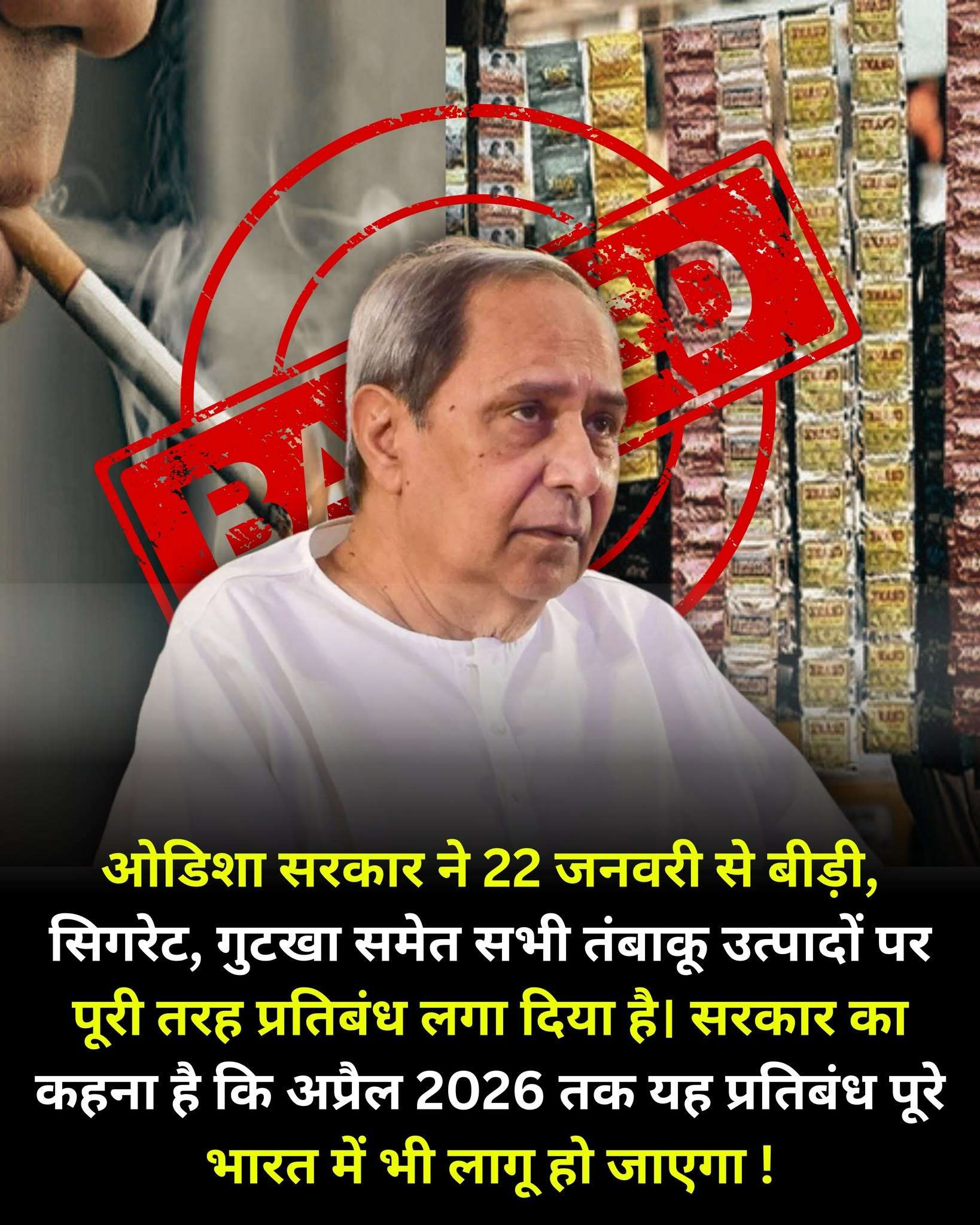
The Odisha government issued a fresh notification on January 21, 2026, strengthening restrictions on products containing tobacco or nicotine. The order covers the manufacture, storage, transportation, distribution and sale of products such as gutkha, zarda, khaini and other food products containing tobacco or nicotine. However, cigarettes and bidis are not included in this particular order.The decision is aimed at strengthening public-health measures and reducing exposure to harmful tobacco products. Such steps are particularly important for protecting young people and raising awareness about the health risks associated with tobacco consumption.The government's action has also brought renewed attention to the need for stronger tobacco-control policies across India. However, the claim that a complete ban on all tobacco products will be implemented nationwide by April 2026 has not been established by the available reports.Public health experts have repeatedly highlighted the risks associated with tobacco use, including addiction and serious health complications. Greater awareness, effective regulation and access to support for people who want to quit can all contribute to healthier communities.
---------------
Disclaimer: This post is written in original wording for general informational and public-health awareness purposes. The details are based on published reports about Odisha's January 2026 notification. The restrictions described are specific to the applicable order and should not be interpreted as a nationwide ban on every tobacco product. Readers should consult official government notifications for the latest legal information.

image
2 ré - Traduire

संस्कार और ज्ञान

image
2 ré - Traduire

संस्कार और ज्ञान 🙏

image
2 ré - Traduire

जान की बातें

image
2 ré - Traduire

श्री कृष्ण किया कहते हैं ?

image
2 ré - Traduire

हम एक ऐसे समाज में रहते है

image
2 ré - Traduire

संस्कार और ज्ञान

image
2 ré - Traduire

Sukhbir Badal joins the noisy preparations for the 2027 elections 🤣